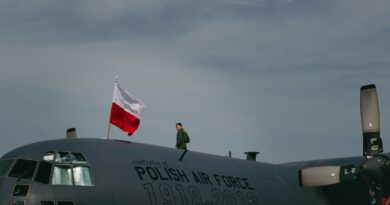

Polish firefighters to Spain to aid wildfire fight
Polish firefighters to Spain: 105 GFFF specialists will serve in Castilla-La Mancha during August to support EU wildfire response.
Polish firefighters to Spain will deploy 105 specialist crew members from Lublin this August to support firefighting across Castilla-La Mancha. Moreover, they will maintain constant readiness and back local services if fires flare up.
Polish firefighters to Spain: mission details and structure
The Ministry of Interior and Administration ordered the deployment. In addition, Poland will send teams made up of GFFF Poland module members. These teams specialise in fighting wildfires in remote and rugged terrain. Consequently, they often work without heavy vehicles and use hand tools and specialised gear. Therefore, the mission will run through August and split into three ten-day rotations. Each rotation will include 35 firefighters from Lublin and other regions. However, the Lublin module led the local contribution.
What GFFF modules do and why they matter
GFFF stands for Generic Forest Firefighting Module. Moreover, Poland fields seven such modules nationwide. They operate from Lublin, Poznań, Wrocław, Białystok, Olsztyn, Łódź and Rzeszów. In addition, these modules can assist inside Poland or abroad. Consequently, the teams have experience in cross-border operations. This year, over 700 firefighters from 14 European countries will join the operation. Poland is the largest single contributor to this multinational effort. Therefore, Polish crews will work alongside teams in Spain, Greece, Italy, Portugal, France and Cyprus.
Training, climate context and logistics
Polish crews trained in Spain earlier this year. In March, specialists attended workshops in Catalonia. Moreover, they practised field exercises that showcased Mediterranean firefighting techniques. Consequently, crews learned local terrain tactics and prediction methods. Climate change increases heat and drought risks across southern Europe. Therefore, Spain and its neighbours face more severe fire seasons. In addition, EU mutual aid mechanisms now regularly move firefighters across borders. This deployment reflects shared responsibility and logistical planning.
For expatriates, this mission matters beyond headlines. Firstly, it shows rapid international coordination when fires threaten lives and property. Secondly, it affects air quality and travel plans across the Mediterranean. Moreover, local and foreign volunteers may see increased demand for coordination. Therefore, expats should monitor local advisories and keep practical documents ready. However, emergency services will aim to protect residents and visitors equally.
Poland emphasises rapid readiness and specialist skills in wildland firefighting. Moreover, the Lublin module will bring experience from domestic operations. In addition, multinational cooperation builds resilience across Europe. Consequently, expect more such deployments as summers grow hotter.
Source: Read original article
📚 Looking for more help settling in Poland? Browse our complete Expat Guides.