
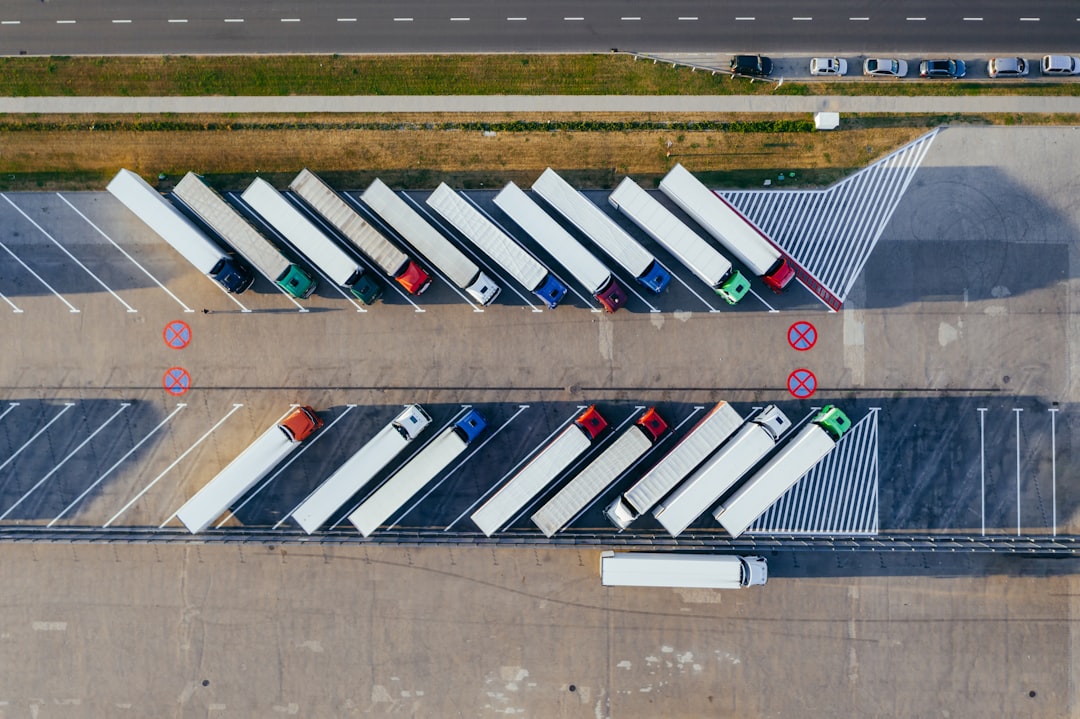
Police access to SENT tracking data in Poland
Poland’s SENT system will feed select vehicle tracking data to police; not private drivers. SENT system affects specific goods transport.
The government signed an agreement on August 21, 2026 that will let the police receive selected data from the SENT system. The SENT system already monitors defined freight movements. Therefore, ordinary drivers do not suddenly appear on a national live map.
SENT system: what it monitors
The SENT system records some commercial transports. Consequently, the state receives details about goods, routes, and vehicle positions. Moreover, the system focuses on what a vehicle carries. Therefore, two identical vans can travel side by side and only one may fall under the rules.
In addition, the system lists fuels, certain oils, ethyl alcohol, tobacco products, chemicals and solvents. Furthermore, since June 20, 2026, it covers some clothing and footwear shipments. However, thresholds apply. For example, clothing shipments usually must exceed 31.5 kg. Shoes typically must exceed 64 pieces to trigger monitoring. Consequently, many retail deliveries stay outside the system.
How the tracking works and penalties
When law applies, the carrier must send live position data for the full route. The operator can use an app or an on-board device (OBU or ZSL). Moreover, the driver must switch the tracker on before departure. If a device fails for more than one hour, the carrier must stop the trip. Therefore, authorities can fine carriers who do not send required geolocation. The fine can reach 10,000 PLN. In addition, drivers can face fines from 5,000 to 7,500 PLN for failures found during checks.
What the police agreement changes
On August 21, KAS (the National Revenue Administration, responsible for customs and tax controls) and the Police signed a protocol to enable teletransmission of chosen SENT data. Consequently, police officers will gain access to specific monitoring records within their legal powers. However, the agreement does not mean police will monitor private commutes. Private trips to work, school, shops, or holidays remain outside SENT unless the trip carries monitored cargo.
Moreover, the new connection aims to speed up cooperation during road checks. Therefore, officers will use data to spot fraud and to coordinate inspections. In addition, the solution requires building an IT link before police officers can see live feeds. The state will not display every monitored truck to every patrol by default.
In Warsaw, you can spot SENT-covered vehicles on main routes like S8 and along Wisłostrada. However, the system works by rules, not by geography. Consequently, a truck to a Białołęka warehouse may fall under SENT while another truck nearby may not.
Source: Read original article
📚 Looking for more help settling in Poland? Browse our complete Expat Guides.