
Poles Hoard Cash as Central Banks Urge Readiness
Central banks tell citizens to carry cash; Poles already hoarded 443 billion zł in 2025, as outages fuel distrust. carry cash
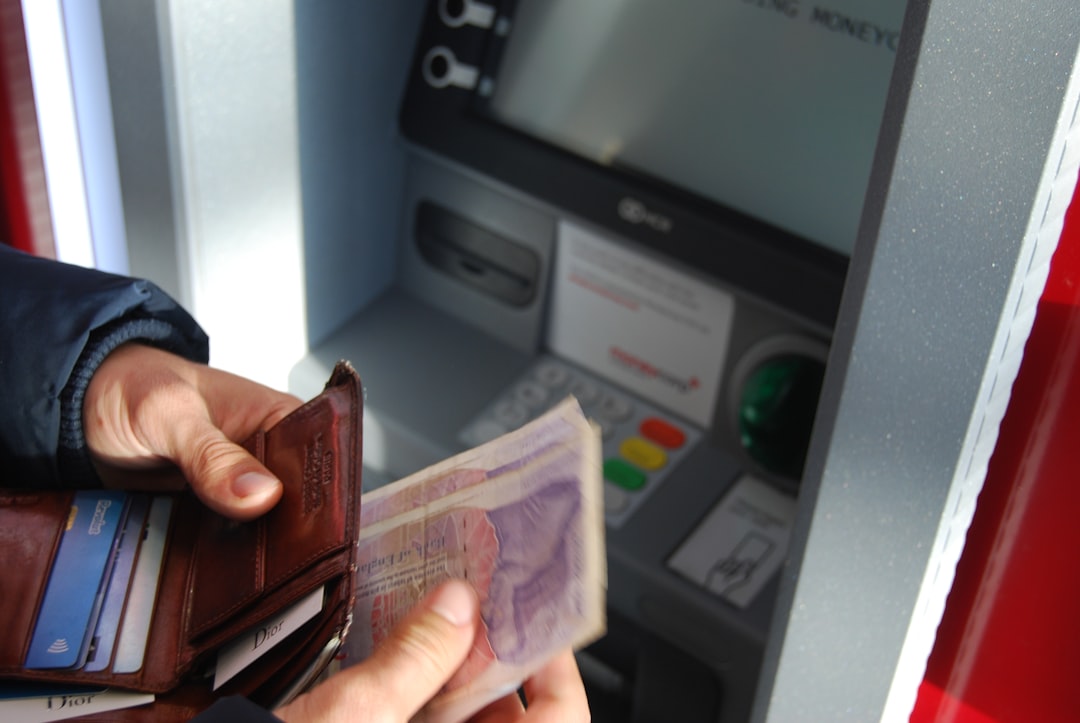
Lead: Central banks across Europe now advise citizens to carry cash as a resilience measure. In Poland people already did so. The National Bank reports 443 billion złoty in circulation, and only 3 percent sits in bank tills.
Why authorities tell people to carry cash
The European Central Bank published “Keep calm and carry cash” in September 2025. Consequently, it warned that physical money serves as redundancy when digital systems fail. Moreover, the European Commission released a “Union Preparedness Strategy” that lists cash among essentials. Therefore, governments now include banknotes with water and medicine in emergency advice.
Poland’s rapid move outside official appeals
Poles began hoarding cash before the ECB’s plea. The National Bank of Poland reported a record 443 billion zł in circulation in August 2025. However, only three percent of that total rested in bank cash desks. Consequently, ordinary households hold most of the money. On average, a four-person family keeps several thousand złoty at home.
The rise in cash reflects repeated payment outages. In September 2025 eService terminals went down in major chains. As a result, shoppers left full baskets in stores. Then attackers hit BLIK, the popular mobile payment system, in November 2025. In January 2026, a nationwide internet glitch cut access to major banks for hours. Therefore many people lost faith in always-online payments.
Practical guidance and changing infrastructure
Central banks in other countries gave concrete amounts. For instance, the Dutch central bank advised 200-500 euros per household. Sweden mailed brochures recommending at least 1,000 SEK. Meanwhile Denmark suggested 250 DKK per person after a major Nets outage. In Poland authorities advise 500-1000 zł per adult as sensible emergency cash. In addition, keep smaller notes for change.
At the same time, cash infrastructure shrank. Over the last five years Poland lost more than 3,000 ATMs. Yet ATM withdrawals rose by 8.9 percent in early 2025. Consequently, demand grows while withdrawal points decline. The NBP says 98.65 percent of residents still have easy access to ATMs. However easy access does not guarantee withdrawals during blackouts.
What should expats do now? First, calculate your household’s daily basic spend. Then multiply by five. This gives a reasonable cash buffer for 72 hours or more. In addition, stash at least one-third of that cash in 10, 20 and 50 zł notes. That prevents problems when merchants lack change. Finally, spread your cash storage. Keep some in a bag, and some in a secure spot at home.
In short, officials recommend preparedness not panic. Consequently, a small, planned cash reserve can buy time during outages or attacks. Moreover, it protects access to food, medicine and transport. Therefore make a simple plan today and check local options for withdrawals.
Source: Read original article