Poland’s Wholesale Sector Faces Rising Costs and Supply Woes
A conference in Rzeszów highlighted the problems of Polish wholesalers: competition, rising energy costs, and long supply chains. Read why this matters.
Lead: A national meeting in Rzeszów confronted the problems of Polish wholesalers as markets seek to survive competition from big chains. Moreover, the conference stressed urgent investment in cold storage to protect food and medicine supply.
Why the conference mattered
Podkarpackie Centrum Hurtowe Agrohurt and the Ministry of State Assets convened wholesalers from across Poland. Consequently, ministers and MPs including Deputy Minister Grzegorz Wrona and MP Adam Dziedzic joined the talks. The government framed the meeting as part of broader plans to shore up food security. In addition, organisers said they want practical measures, not just talk.
problems of Polish wholesalers: competition, costs and supply chains
Dariusz Baran, Agrohurt board member, listed the sector’s core challenges. First, large supermarket chains undercut wholesale margins. Second, energy bills climb and hit storage and refrigeration hard. Third, supply chains often lengthen, which raises final prices for consumers. Therefore, wholesalers struggle to buy directly from producers. Moreover, many distributors sit between farmers and markets. As a result, costs and complexity rise.
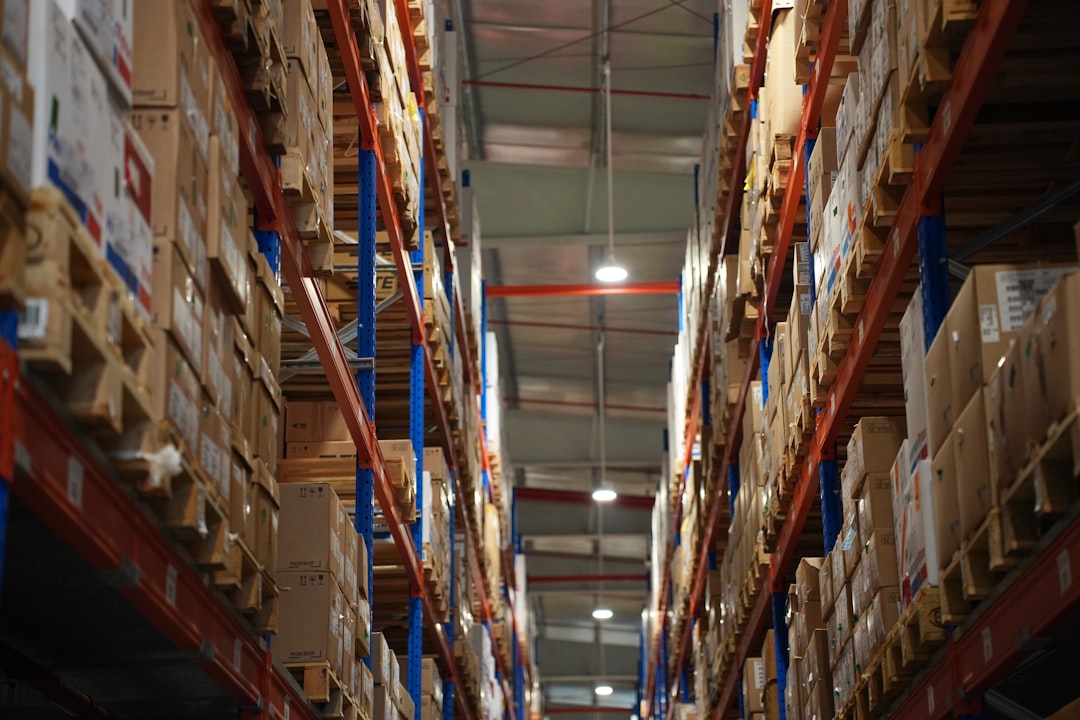
The wholesalers also highlighted critical infrastructure gaps. Cold stores and freezers play a dual role. Not only do they preserve food, but they can also store medicines in emergencies. Consequently, the state and private operators must invest in resilient facilities. Furthermore, speakers warned that neighbouring crises, like those in Ukraine, show how fragile supply networks can become.
Local buying and policy options
Speakers proposed stronger promotion of local products. MP Adam Dziedzic urged consumers to buy from regional producers. He argued that local spending keeps money in rural communities. Moreover, politicians discussed a ‘local content’ approach. In practice, this would let municipalities and markets prefer regionally produced goods in procurement. Therefore, producers gain better access to customers. However, trade groups also asked for a systemic support programme. They said Poland lacks a coherent market-development plan.
Wholesalers face regulatory and commercial realities tied to Polish institutions. For example, employers deal with ZUS social security contributions. Meanwhile, healthcare logistics may interact with NFZ-funded programmes (the National Health Fund). Also, many systems rely on PESEL personal ID numbers for administration. Thus, any policy change touches taxation, labour costs, and public procurement rules.
What comes next
The Rzeszów meeting forms part of a national series. Therefore, organisers expect concrete outcomes like improved infrastructure funding and better channels for producers. In addition, they aim to design support programmes for wholesale markets. As a result, consumers and expats may see steadier supply and more local products on shelves.
Ultimately, policymakers and industry leaders must act quickly. Otherwise, rising costs and elongated supply chains could push small wholesalers out of the market. Consequently, Poland’s food security and local economies could weaken.
Source: Read original article