
Poland’s Bottle Deposit System Debate
Public support grows for the bottle deposit system, but gaps remain over glass bottles and small spirits containers.
Poland debates expanding the bottle deposit system to include glass bottles and mini spirits bottles. Public support runs high, yet users report growing problems at return points.
Public take-up and growing pains
Survey data show that 74 percent of respondents already use the refund program. Moreover, 15 percent plan to start returning containers soon. In addition, people adopted the system quickly. However, many users report problems with machines. Consequently, 44 percent faced rejections at return points. The common causes include missing markings, devices that lack items in their database, breakdowns, and too few return points. Furthermore, shops complain about storage and extra staff work. Therefore, some small stores limit the number of returnable items they accept.
Why the bottle deposit system matters
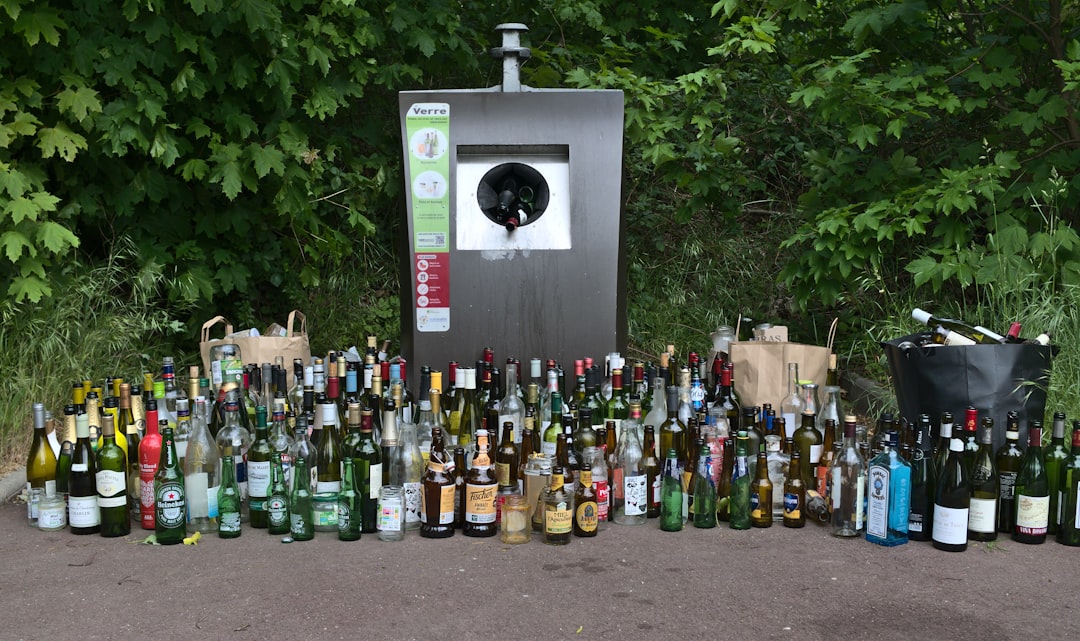
Citizens criticize the exclusion of single-use glass bottles. Moreover, the mini spirits bottles, known as “małpki”, clutter streets and parks. In addition, shoppers buy between 1.3 and 3 million such containers daily. Consequently, locals report seeing broken glass and litter in green areas. Experts say that adding glass would close a major loophole. Furthermore, environmental groups argue that the change would boost recycling. Therefore, policy makers must weigh costs and logistics. Meanwhile, municipal crews spend extra hours clearing glass and replacing grass patches.
City hotspots and national implications
Large cities like Warsaw report the worst litter problems. Moreover, residents note frequent finds near tram stops and in parks. In addition, seasonal thaw increases visible glass waste. Experts warn that leaving glass out reduces safety. Consequently, councils consider expanding the scheme to all drink containers. Furthermore, effective expansion could reduce street cleaning costs. Therefore, local budgets might reallocate funds to other services.
Polls show strong public support for expansion. Moreover, 65 percent of respondents want all drink packaging under one rule. In addition, analysts estimate lost recyclable materials cost the economy millions of tons. Therefore, reformers press for clearer rules and better machine networks. However, they must address storage, transport, and shop staffing challenges.
Consequently, the system can still change. Moreover, agencies and NGOs will likely propose technical fixes. In addition, politicians may debate adding glass to reduce litter. Therefore, expats should watch local rules and store signage. Finally, the debate touches daily life, urban cleanliness, and public spending.
Source: Read original article
📚 Looking for more help settling in Poland? Browse our complete Expat Guides.