Poland raises alert levels: what expats should know
Officials declared a higher alert level in Poland in March 2026, with stepped-up patrols and cyber monitoring. Read what expats should expect.
The government raised the higher alert level in Poland early March 2026. Consequently, authorities say they treat the threat seriously and will keep measures at least until the end of May.
Why the higher alert level in Poland matters
Moreover, the move signals that authorities view current risks as real. Therefore security services increased visible patrols across cities. In addition, officials activated special procedures at public buildings and transport hubs. However, the government did not name a single target. As a result, agencies act broadly to reduce any chance of disruption.
What changed on the streets and online
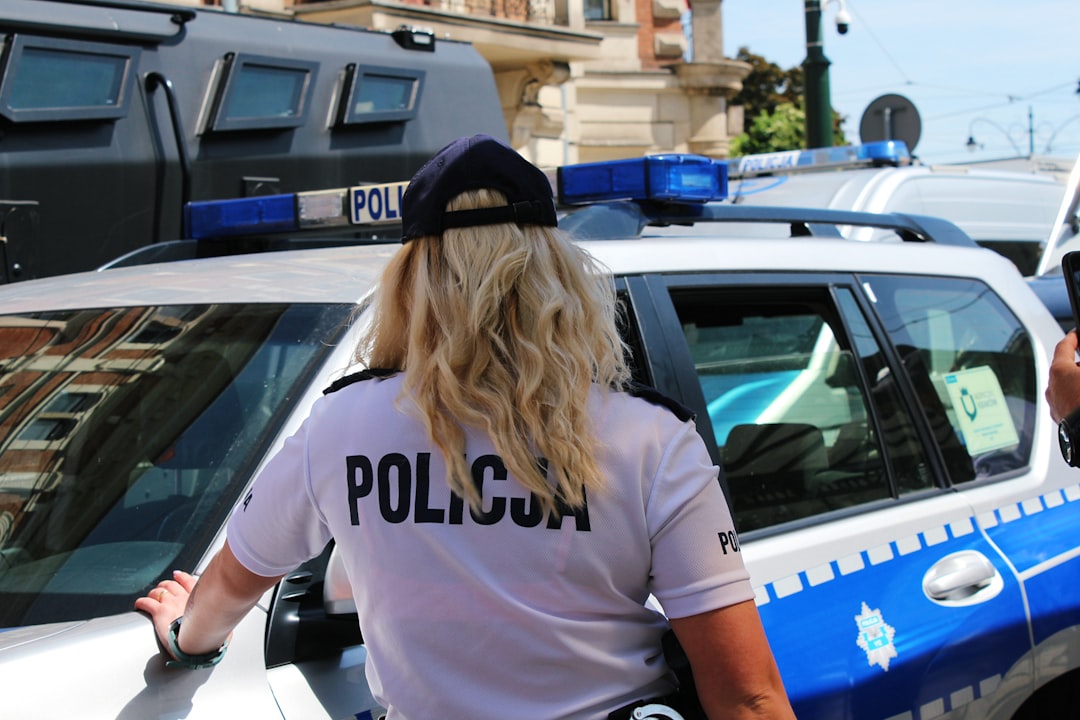
Consequently, you will see more police and security patrols in many neighborhoods. Moreover, rail stations show the biggest change. In fact, authorities placed the rail sector on an even higher CHARLIE alert. Therefore checks at platforms and on trains happen more often. In addition, the BRAVO-CRP cyber alert means state systems get 24/7 monitoring. Security teams monitor public services and critical infrastructure nonstop. However, these measures aim at prevention, not to restrict daily life unnecessarily.
Railways, energy and cross-border measures
Furthermore, officials extended steps beyond Poland. In particular, they increased protections around energy infrastructure abroad. Therefore the state tries to safeguard supplies and strategic interests. Moreover, transport and logistics firms face more inspections. As a result, some freight or passenger routes might experience delays. However, authorities say they will keep travel moving while prioritizing safety.
What authorities ask residents and visitors to do
First, stay alert and report anything suspicious to local police or through emergency number 112. Moreover, officials recommend carrying identification when travelling. In Poland this often means a passport or a national ID card. In addition, many bureaucratic processes use PESEL, the Polish national ID number. Therefore if you are a resident, keep your PESEL details handy for official checks. Also note the roles of key agencies. For example, ZUS handles pensions and social insurance. Likewise, NFZ runs public health services and may coordinate medical response if needed.
Source: Read original article
📚 Looking for more help settling in Poland? Browse our complete Expat Guides.