Poland Ends Plastic ‘BIO’ Bags — One Mistake Can Double Bills
Poland’s ban on plastic bio bags is spreading. One incorrect bag can trigger higher waste fees for an entire block, affecting expats too.
The ban on plastic bio bags has begun to spread across Polish cities and regions, and it could hit your wallet. Consequently, one tenant’s mistake can double the monthly waste bill for an entire building.
Why the ban on plastic bio bags matters
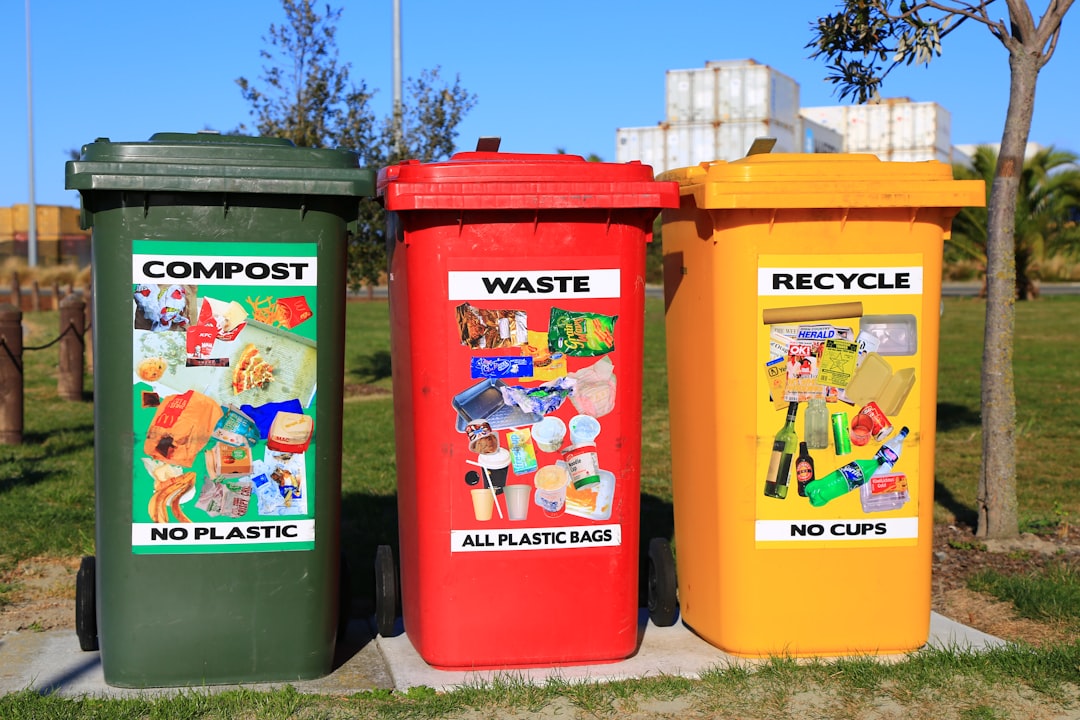
Composting plants and biogas facilities process organic waste rapidly. However, even bags labeled “BIO” often fail to break down fast enough. Therefore, such bags contaminate compost and raise processing costs. Moreover, contaminated loads lower municipal recycling rates. Consequently, municipalities face fines from the national environmental authority. In addition, local governments pass those costs to residents through higher fees.
Which places already changed rules and why it affects you
Several localities already banned bags or tightened rules. For example, Poznań and Gdynia ban plastic bags in the organic fraction. Gliwice provides 240-litre containers to each property. Meanwhile, the Leszno region forbids even certified compostable bags from July 1, 2026. In addition, Serock in Mazovia limited bag use since April 1, 2026. Consequently, the trend moves from west to east across Poland. Therefore, expect more municipalities to change rules next year.
Collective liability and real penalties
Polish law allows collective penalties for whole properties. If a waste operator finds a plastic bag among bio waste, they notify the municipality. The city then can raise the waste fee two to four times. The Supreme Administrative Court confirmed this interpretation. Therefore, one bag of peelings can cost every household in a block. For instance, in Warsaw the standard fee is 85 zł per month. Consequently, a doubled fee would reach 170 zł per household.
Practical hurdles at the bin and simple fixes
Emptying bio waste loose into brown containers creates a hygiene issue. Food scraps ferment and leave residue. However, managers often bear cleaning duties in multi-flat buildings. In Gliwice, the operator disinfects containers twice a year. In most places, owners or administrators must clean bins. Therefore, residents line the bottom with newspaper or cardboard to absorb liquids. Moreover, a covered container deters animals like foxes and wild boar. In addition, secure bins stop cats and dogs from scattering waste.
Consequently, expats should not trust “BIO” labels on store bags. Read your municipality’s waste rules and follow them. Moreover, contact your building manager or housing co-op for written guidance. In addition, keep evidence if you inform others. Therefore, you can show proof of due care during any administrative review.
Source: Read original article
📚 Looking for more help settling in Poland? Browse our complete Expat Guides.