Poland delays work ban during heat to 2027
Poland postponed a new work ban during heat until Jan 1, 2027, raising concerns for office and construction workers as temperatures rise.
Poland postponed a planned work ban during heat after three draft versions and repeated delays. The ministry set a new start date of January 1, 2027, and kept the two key temperature thresholds.
What the new draft says
The third draft sets two protection levels. First, employers must act when indoor temperatures reach 28°C. Consequently, they must install technical cooling or use organizational measures. Moreover, companies must shorten shifts, add breaks, change hours, or allow remote work. Second, the draft introduces an absolute ban from 35°C. Therefore, employers must stop work when thermometers reach 35.0°C, except where technology prevents a pause. However, the ban excludes steelworks, bakeries, and similar plants with unavoidable heat. In addition, the draft requires employers to monitor and record indoor temperatures.
work ban during heat: deadlines, disputes and penalties
The ministry originally planned implementation in June 2025. Then it moved the date to January 1, 2026. Now it delayed again until January 1, 2027. Employers said they needed time to adapt buildings. Meanwhile unions warned workers would suffer for two more summers. Furthermore, the draft ties criminal liability to violations. Article 220 of the Criminal Code could lead to up to three years in prison for forcing staff to work in dangerous heat. Also, the State Labour Inspectorate may fine employers for lacking basic protections.
Practical gaps and local risks
The ban covers actual temperature spikes, not forecast heat. Consequently, a workplace that reads 34.9°C avoids the ban. However, unions argue heat exposure accumulates over a shift. Moreover, the draft excludes many public services and care homes. Schools remain outside and follow separate rules. In addition, many historic office blocks cannot add air conditioning. For example, Warsaw’s Śródmieście has many protected facades. Therefore, some central offices will remain hot and uncomfortable.
For this summer, the 1997 BHP rules still apply. Employers must provide free drinking water when rooms exceed 28°C. Moreover, workers can ask for additional breaks or go home under article 18 of the Labour Code. However, proving an immediate danger under article 210 remains subjective. Therefore, vulnerable workers should get doctor’s notes. Employers should start planning upgrades now, because adaptation takes time.
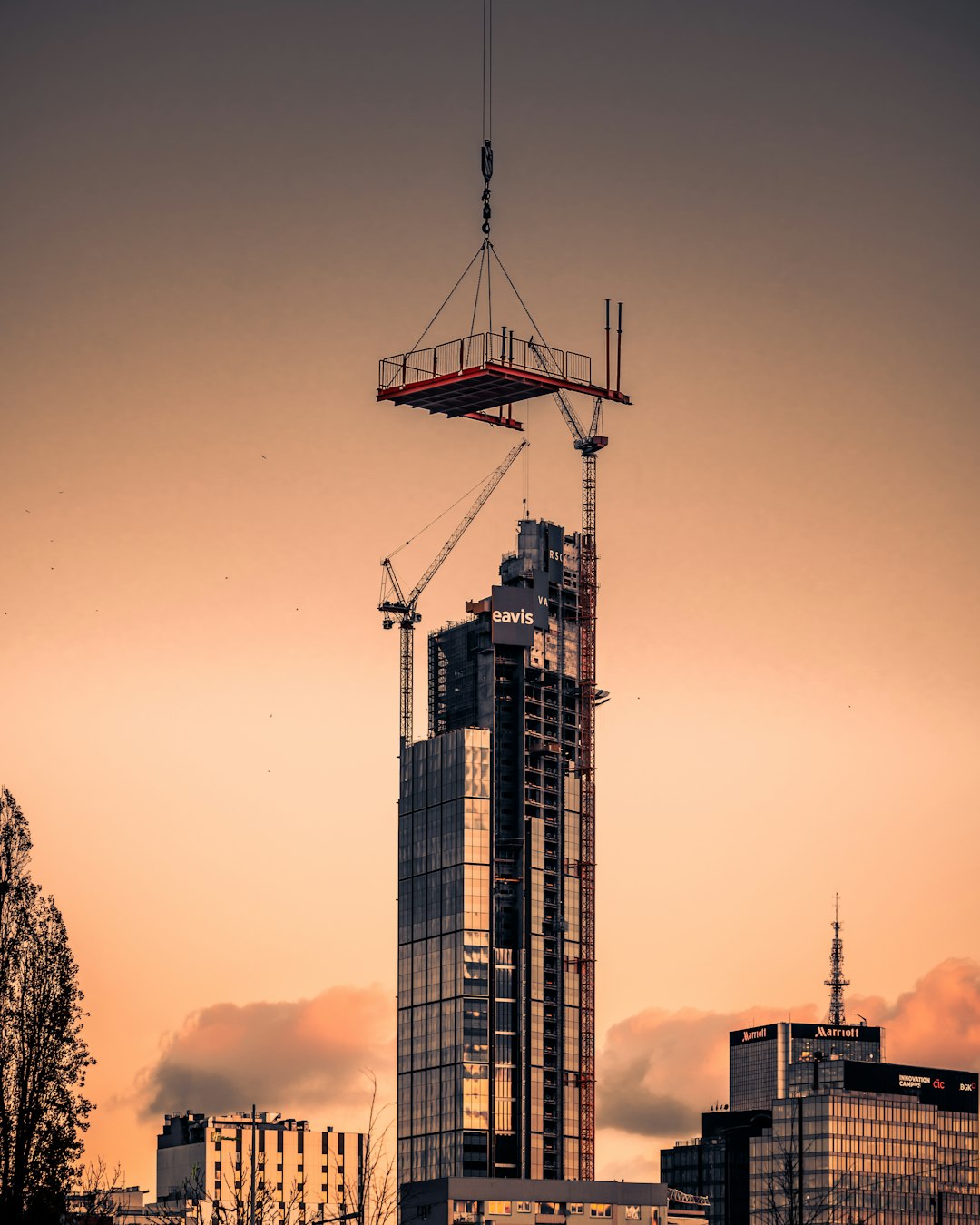
In Warsaw, the urban heat island effect raises central temperatures by 3-5°C. Consequently, the capital faces higher risk than suburbs. In addition, thousands of construction workers work outdoors. These workers often lack shade and cooling. Therefore, they face the greatest exposure until the rules take effect.
Source: Read original article
📚 Looking for more help settling in Poland? Browse our complete Expat Guides.