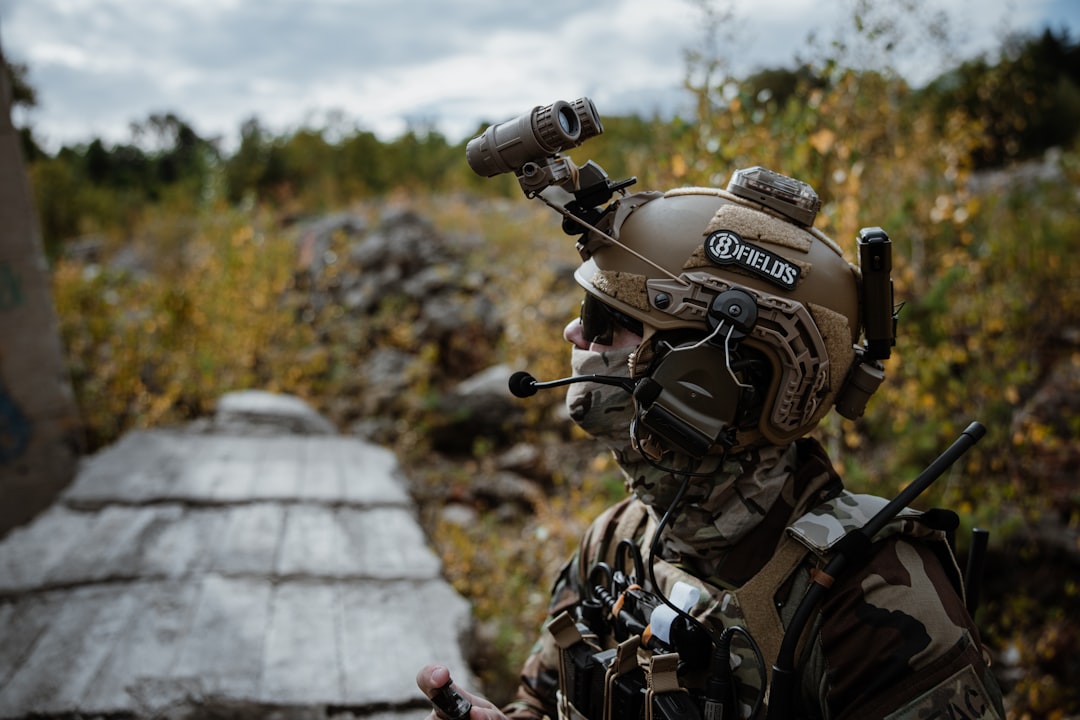
New Law Lets Government Use Military Against Hybrid Threats
Draft law would let government will be able to use the military against hybrid attacks without declaring a state of emergency.
Poland’s Ministry of Defence is drafting a bill so the government will be able to use the military to counter hybrid threats without declaring a state of emergency. Moreover, the Ministry expects the project to be ready by 2026, officials said. Consequently, Warsaw wants faster tools to respond to modern attacks.
government will be able to use the military
General Dariusz Łukowski, head of the Defence Strategy and Planning Department, revealed the plan during the Security of Poland Congress near Rzeszów. He said current law creates a legal gap. Therefore the armed forces cannot fully use peacetime capabilities. In addition, current rules force Poland to declare extraordinary states before using some military options.
The draft, provisionally called the law on defensive response, would create standing defence plans. Moreover, the plans would come preauthorized by the President. As a result the Defence Minister could activate them immediately in a crisis. However the President would receive notification. Furthermore MON (the Defence Ministry) discusses details with the National Security Bureau, the agency that advises the President.
Why the change matters to residents and business
Poland faces a mix of hybrid threats. These include disinformation, targeted border pressure, energy interruptions, and cyberattacks. Therefore the state aims to respond faster. For ordinary residents the new law could mean rapid deployments near critical infrastructure. Consequently you might see more soldiers on roads or guarding utilities. However officials say they will avoid heavy restrictions unless threats escalate.
For companies the law could mean quicker military support to secure supply chains. Moreover critical infrastructure owners could receive coordinated assistance. In addition businesses should expect clearer rules on cooperation with the armed forces. Therefore multinational companies should update contingency plans. Also register with your embassy early and keep emergency contacts current.
Legal and doctrinal shifts: transparency and offensive options
General Łukowski also warned that the very openness of Polish law creates risk. He argued that public details about transfer moments and political barriers could help adversaries plan sub-threshold actions. Consequently the ministry studies limited changes to reduce predictable decision paralysis. Moreover he advocated adding language to the national security strategy on proportional counterstrikes.
He suggested Poland should reserve the right to carry out deep retaliatory strikes on a potential adversary if sovereignty faces a clear threat. In addition he discussed cyber-offensive options. Poland already has cyber capabilities. However current law restricts offensive cyber operations to military and foreign intelligence services. Also attribution problems complicate immediate responses.
Poland wants legal clarity and speed. Therefore the ministry aims to finish the bill within the year. However public debate and parliamentary steps will follow. Consequently the final text could change before enactment. Meanwhile citizens and expats should watch official channels for guidance.
Source: Read original article
📚 Looking for more help settling in Poland? Browse our complete Expat Guides.