
National alert raised across Poland
Poland declared a state of heightened alert from March 1st, with BRAVO and CHARLIE measures in force across transport and cyber systems.
The government declared a state of heightened alert across Poland from 1 March 2026. Consequently, security services moved into elevated readiness nationwide.
State of heightened alert and what it means
The move does not mirror a local curfew. However, it signals a sustained, nationwide security posture. Moreover, authorities activated BRAVO level countrywide. Therefore, patrols will increase on streets and at transport hubs. In addition, officials started BRAVO-CRP to protect public administration and critical IT. Consequently, computer systems now undergo continuous monitoring. Moreover, analysts will flag and investigate suspicious activity immediately.
Transport, rail and visible security
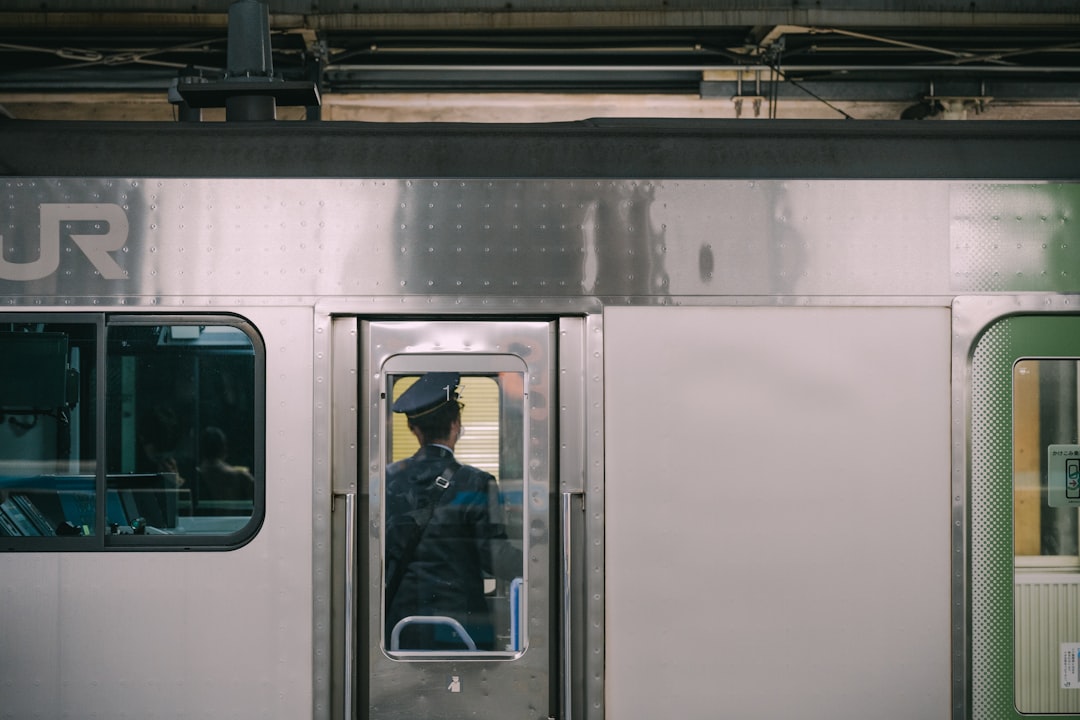
The government set a higher rail alert. Specifically, rail services operate under CHARLIE. Therefore, operators remain on constant watch. Moreover, security staff and police will appear more often at stations. Consequently, passengers may face additional controls and limited access in some areas. In addition, authorities stress they act to prevent incidents and to keep services running. However, they avoid naming a clear target at this time.
Cyber and international infrastructure steps
The BRAVO-CRP alert focuses on cyber resilience. Therefore, public bodies and energy networks receive extra monitoring. Moreover, Poland extended protective measures to energy infrastructure outside its borders. Consequently, planners aim to secure supply chains and state interests. In addition, this step forms part of a broader, region-wide risk management strategy.
What residents and visitors should expect
People should not panic. However, they must stay alert. Consequently, expect more checks in public buildings. Moreover, you may meet officials asking for ID. In Poland, PESEL means the national ID number (PESEL is the personal identification number). In addition, a mandat means a fine for minor offences. Therefore, follow instructions from officers to avoid sanctions. Moreover, public services such as ZUS (social security) and NFZ (national health fund) will remain operational. However, some administrative procedures may run slower during heightened operations.
Source: Read original article
📚 Looking for more help settling in Poland? Browse our complete Expat Guides.