
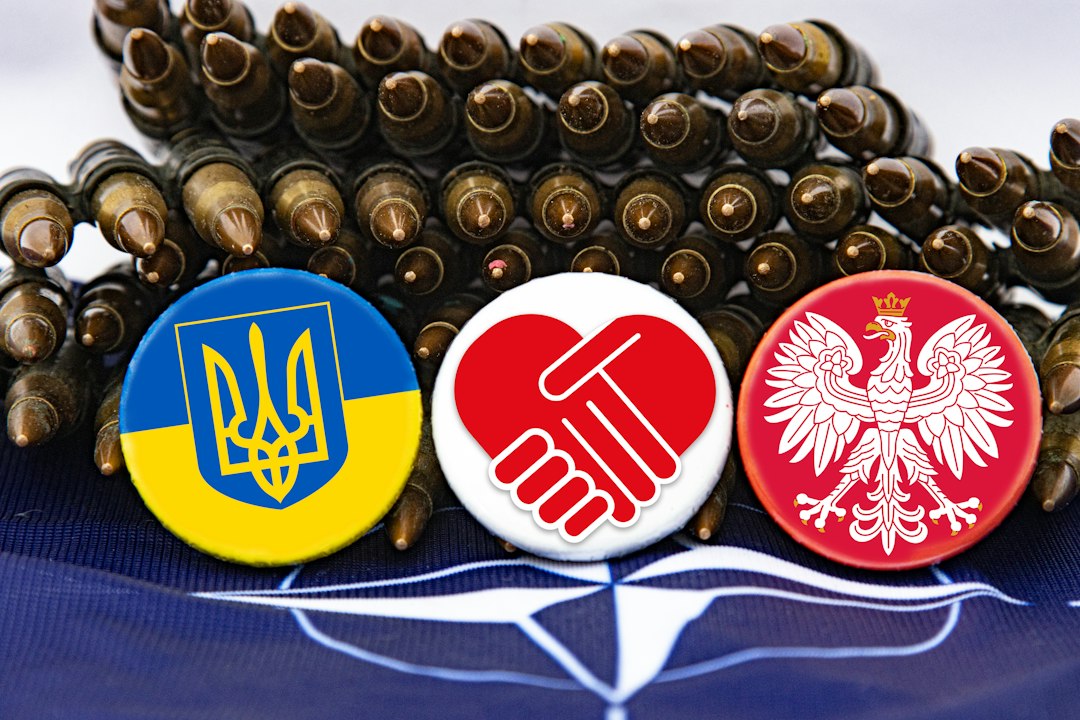
Moscow Broadens the Definition of War, Puts Poland and NATO in the Crosshairs
Monitoring shows Russian propaganda reframes Western support as direct involvement, aiming to weaken NATO backing for Ukraine via targeted narratives about Poland and allies. Russian propaganda
Russian propaganda has expanded the public definition of war to include much more than battlefield fighting. Monitoring from 27 August to 2 September 2026 shows a spike in messages that place Poland and NATO at the centre of Moscow’s narrative.
Russian propaganda targets NATO and Poland
Analysts report that Moscow now frames arms production, equipment repair, training and intelligence sharing as active participation in the conflict. The shift turns factories, logistics hubs and training centres into alleged wartime nodes. That narrative blurs the line between assistance and direct involvement.
Media in Russia call Europe a “strategic rear” for Ukraine. This phrase allows the Kremlin to argue that any support short of boots on the ground still counts as joining the fight. The effect reaches beyond disinformation. It creates a rhetorical justification for cyberattacks, sabotage and pressure on companies in NATO states.
How Poland appears in the campaign
Poland features prominently in Moscow’s messaging. The Kremlin highlights Warsaw’s defence modernisation and rising budgets. It depicts these moves as provocations. Simultaneously, it points to occasional technical or organisational issues. The result aims to make the audience doubt Poland’s choices and security.
Moscow uses two opposing claims to confuse audiences. It portrays Poland as both a growing threat and as ill-prepared. Citizens then face a no-win framing. Strengthening defence allegedly raises war risk. Pulling back supposedly signals weakness.
Implications for NATO and regional security
Russian stories recast NATO exercises, reconnaissance flights and early-warning deployments as offensive steps. Moscow reverses cause and effect. Actions that NATO took after Russia’s invasion of Ukraine become, in the narrative, the original catalyst for tension.
That approach matters because it prepares public opinion for measures below the threshold of open war. Officials may face fewer political costs for covert operations if the broader narrative claims the West has already “joined” the conflict. The Kremlin also offers alternative explanations for drone incidents near NATO airspace, blaming Ukraine, technical faults or supposed Western provocation.
The Kremlin also exploits domestic divisions in democracies. Debates over sharing Patriot missiles from national stocks become a sign of mistrust between citizens and government. Moscow suggests that supporting Ukraine sacrifices national safety. It also conflates volunteer fighters serving with Ukraine and formal state policy to create confusion.
The overall goal remains clear. Moscow wants Western publics to doubt NATO, question defence budgets and lose faith in US assurances. In turn, that pressure could slow or reduce aid to Ukraine and weaken deterrence on NATO’s eastern flank.
Poland and its allies now face a communications and security challenge. They must protect infrastructure and reassure publics. They also need to distinguish legitimate military support from direct participation in hostilities.
Source: Read original article
📚 Looking for more help settling in Poland? Browse our complete Expat Guides.