Marian Ruzamski exhibition opens in Kraków
Marian Ruzamski exhibition opened at Kraków’s Palace of Art on April 9, 2026. Learn why it matters for expats.
The Marian Ruzamski exhibition opened at the Palace of Art in Kraków on April 9, 2026. Consequently, the opening drew figures from culture, diplomacy, and academia.
Marian Ruzamski exhibition: the opening and participants
The ceremony took place in Pałac Sztuki in central Kraków. Moreover, representatives from Polish and German partner institutions attended. In addition, diplomats and scholars joined the discussion. Therefore, the event signalled cross-border cultural cooperation. However, the show also highlighted local curatorial work. The organisers presented multimedia materials at a portal linked to the event. Consequently, visitors can access extra content online.
Why this exhibition matters locally and internationally
Marian Ruzamski’s work engages with memory and identity. Moreover, his pieces address personal and collective pasts. The exhibition frames those themes within Polish histories. In addition, it connects to wider European conversations about memory. Therefore, the show appeals to historians and contemporary art audiences. However, the event’s Polish–German partnership carries symbolic weight. It shows reconciliation through culture after difficult historical chapters. Consequently, the exhibition becomes both a local milestone and a diplomatic gesture.
Practical details and cultural context
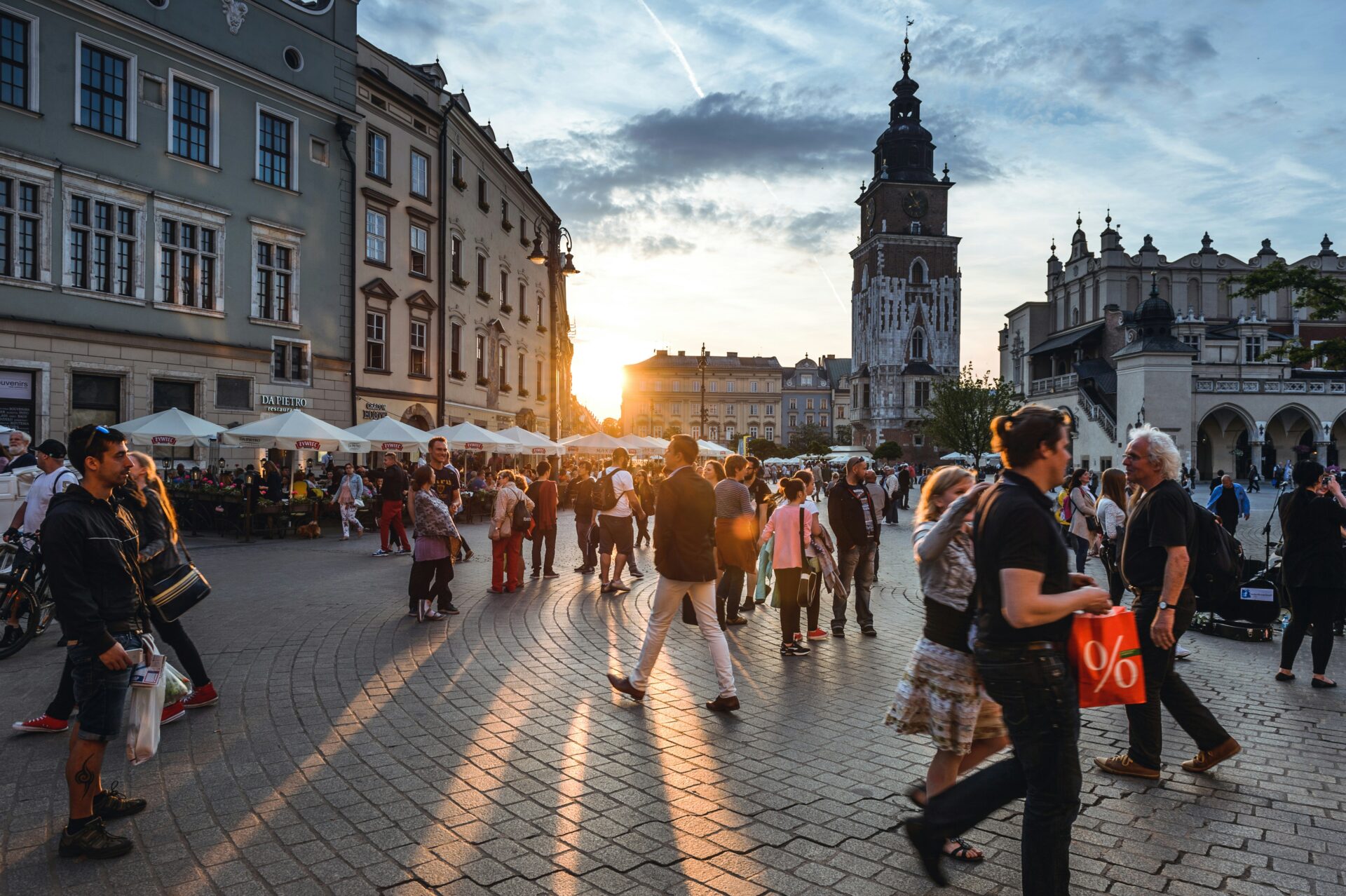
The Palace of Art sits near Kraków’s historic centre. Moreover, you can reach it by tram or a short walk from the Main Market Square. In addition, signage at major museums often appears in Polish and English. However, always check the venue website before you go. The organisers expect the exhibition to run for several months, so plan your visit accordingly. Therefore, you have time to see it without rushing.
Ticketing often accepts international cards. However, some smaller cultural events favour local payments like BLIK. In addition, cash remains useful in fringe venues. For expats, remember that some benefits require a PESEL (Polish ID number), or registrations with ZUS (social security) or NFZ (national health fund). Consequently, you should not assume eligibility for discounts without checking rules first.
What visitors should watch for
The programme includes talks and guided tours. Moreover, curators plan bilingual sessions where possible. Therefore, contact the institution if you need English-language materials. However, seating and space can be limited during openings. In addition, the Palace of Art sometimes organises related displays concurrently. Consequently, a single ticket may grant access to more exhibits.
For residents and visitors, this exhibition offers more than art. Moreover, it provides insight into how contemporary Poland faces its past. Therefore, it is relevant for anyone trying to understand present-day Polish culture and politics. In addition, it shows how local museums link to broader European debates about memory.
Source: Read original article