Lublin region funds youth environmental field trips
Lublin Voivodeship environmental education program funds free field trips for 737 youth this summer, strengthening nature awareness across the region.
The Lublin regional government has launched the sixth edition of its popular Plenery edukacyjne program, the Lublin Voivodeship environmental education initiative aimed at children and teenagers. Vice-Marshal Marek Wojciechowski signed agreements with nine NGOs, and the institutions will receive a combined 199,418.35 zł in grants.
Lublin Voivodeship environmental education: program details
The program runs from 15 June to 30 September 2026. Consequently, 737 young residents will join free outdoor courses. Moreover, participants will visit national parks, landscape parks, and nature reserves. In addition, they will take part in workshops, field games, and laboratory sessions. Therefore, the program blends classroom learning with hands-on practice. The regional government has spent more than 1.27 million zł on these outdoor lessons since 2022.
Scope, funding and environmental rules
Nine organisations won grants this year. For example, the Fundacja Niepodległości received 26,552.25 zł. However, all groups committed to strict green standards. They will avoid single-use plastic and use shared transport. Moreover, each organisation will plant at least ten native honey-bearing trees. Consequently, the projects follow practical conservation steps and education. Since 2022, about five thousand children used the free trips. Therefore, the program now reaches more youths every year.
Why it matters to expats and local communities
For expats, this program highlights how regional governments work in Poland. The local administration directly funds NGOs, and they deliver public services. Moreover, the initiative shows how civil society and authorities cooperate here. In addition, families should know that schools and NGOs often run similar extracurricular activities. Therefore, parents can ask schools or municipal offices about places for their children. However, organisers usually require parental consent and basic health information before trips. In Poland, official identifiers like PESEL matter for many formal processes. For example, PESEL is a national ID number used in schools and local registries. Similarly, ZUS refers to social security and NFZ to the public health insurer. Consequently, expat parents should confirm insurance and medical coverage before enrolment.
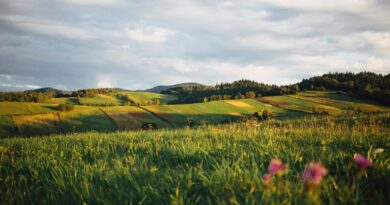
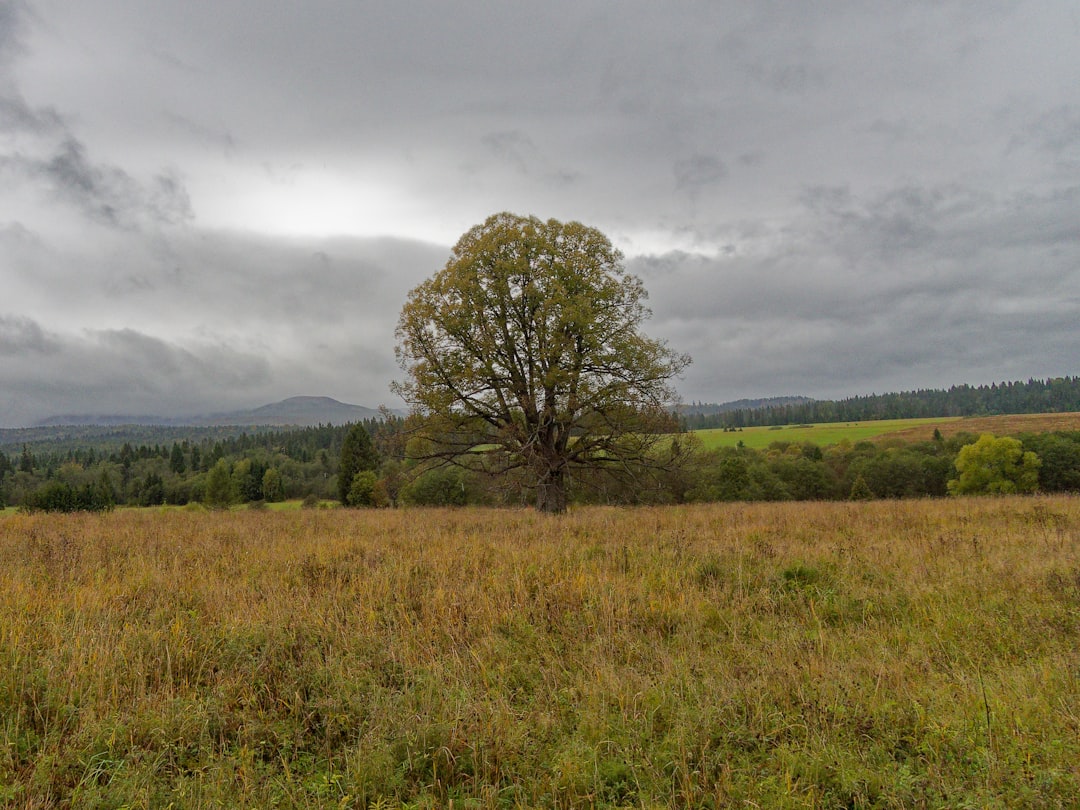
Local nature sites will act as open-air classrooms. Consequently, youngsters can see rare habitats and species up close. Moreover, the program encourages respect for nature and practical conservation skills. The regional government and NGOs expect the initiative to keep growing. Therefore, it will likely expand participant numbers in coming years.
Source: Read original article
📚 Looking for more help settling in Poland? Browse our complete Expat Guides.