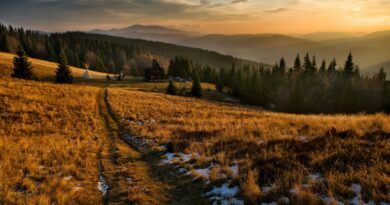
Long-missed predators and fish return to Opole region
Nature rebounds as predators, crustaceans and fish return to Opole, signaling healthier rivers and forests for residents and expats.
Nature in Opole shows signs of recovery as predators, crustaceans and fish return to Opole. The comeback includes wolves, lynx, crayfish and hopeful signs for salmonids. This change matters for biodiversity and for people living here.
What has changed in the Opole landscape
Conservation groups report new sightings across the Opole Voivodeship. Moreover, scientists found crayfish in rivers where they once vanished. In addition, researchers recorded wolf and lynx activity in forests. Therefore, experts hope that trout and other salmonids will re-establish in local streams.
predators, crustaceans and fish return to Opole: why this matters
Healthy predators indicate balanced ecosystems. Consequently, their presence suggests improvements in habitat quality. Moreover, crayfish signal cleaner water and better riparian conditions. However, returning species also change how people interact with nature. In addition, farmers and hunters may notice new patterns in wildlife behavior.
Who is helping and what the plans involve
State agencies, NGOs and local communities coordinate restoration. They plant trees, restore riverbeds and remove pollution sources. Furthermore, some groups trial translocations of larger mammals. For example, recent attempts aimed to move bears into the Opawskie Mountains. However, authorities proceed cautiously to avoid human-wildlife conflicts.
Local communities also run education programs. Consequently, people learn how to secure livestock and pets. Moreover, hikers get advice on safe behavior in forested zones. In addition, anglers must follow new rules to help salmonid recovery.
The return of wildlife also has economic effects. For example, nature tourism can grow. Therefore, rural businesses may see new visitors. However, planners must balance tourism with conservation goals.
Scientists stress long-term monitoring. In addition, they call for better water management. Consequently, they seek funding for habitat corridors that help animals move between areas. Moreover, cross-border cooperation with Czech teams already happens in the Opawskie range.
For expats, this rebound offers a chance to connect with wild Poland. However, it also brings responsibilities. Therefore, learn local rules before exploring the countryside.
Source: Read original article
📚 Looking for more help settling in Poland? Browse our complete Expat Guides.