Kraków Helped Build Urban Virus Atlas
Kraków joined MetaSUB to map urban microbes, helping create a global urban virus atlas of RNA viruses in city environments.
Kraków joined an international consortium to map city microbes. Consequently, the city helped create a new urban virus atlas.
Kraków’s contribution to the urban virus atlas
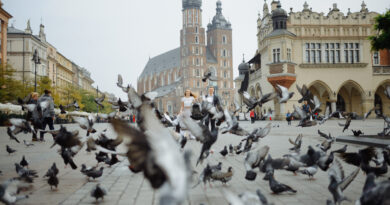
Researchers from the MetaSUB consortium sampled public spaces across Kraków. Moreover, they took swabs from trams, stations, parks, and market stalls. Therefore, the local results fed into a global dataset. Scientists sequenced environmental RNA to find viral genetic material. However, detection does not equal disease. The teams compared Kraków data with samples from many world cities. Furthermore, local labs handled sample processing and quality control. The municipality supported logistics and gave field access.
Why the findings matter for residents and visitors
The atlas maps viral diversity in shared urban spaces. Consequently, public health authorities can prioritise monitoring. Moreover, researchers can track unusual signals faster than before. However, the study shows traces, not infections. In addition, the map helps planners design cleaning and ventilation strategies. Therefore, transport operators and event organisers can make data-driven choices. Tourists and expats can use the information to reduce risk.
How Kraków participated and what methods they used
Local teams collected standardized samples across transit hubs. They used high-throughput sequencing and specialist bioinformatics tools. Furthermore, scientists screened for RNA viruses specifically, which include many respiratory pathogens. Therefore, the results highlight viral types present in air and on surfaces. In Poland, researchers work with municipal offices. They sometimes coordinate with NFZ for health projects (NFZ means National Health Fund). Moreover, labs seek institutional approval to meet ethical and safety rules.
Global context and next steps
MetaSUB covers dozens of cities worldwide. Consequently, the project enables comparative urban surveillance. Moreover, the atlas can help detect emerging viral trends. However, scientists stress that environmental sequencing has limits. In addition, teams plan longitudinal sampling to watch changes across seasons. Therefore, cities can adapt interventions as new data appear. The project also raises questions about data use and privacy that cities must address.
Implications for expats living in Kraków
The study matters to foreigners who live here. Consequently, you can make pragmatic choices about crowded places. However, you should not panic. Routine hygiene and vaccination reduce most risks. In addition, register with local services when you arrive. For example, you often need PESEL (national identification number) for many procedures. You register for healthcare through NFZ or use private insurers. Also, employers report to ZUS (social insurance) for benefits and pensions. Finally, remember that an on-the-spot fine in Poland is called a mandat.
Source: Read original article
📚 Looking for more help settling in Poland? Browse our complete Expat Guides.