Jura in Vintage Photos: Olsztyn, Myszków and More
Vintage photos show the changing face of the Kraków-Częstochowa Upland and nearby towns over decades.
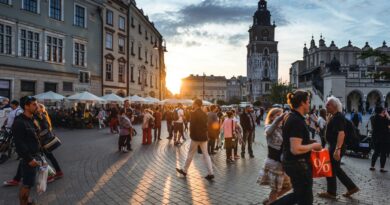
The archive series reveals how everyday life and towns changed around the Kraków-Częstochowa Upland. Consequently, photographers captured Olsztyn, Myszków, Zawiercie, Bobolice and Żarki Letnisko across decades.
However, these images do more than show buildings. Moreover, they map social change and shifting tourist habits. Therefore, expats can read them as guides to the region’s identity and pace of life.
Kraków-Częstochowa Upland: historic towns in photos
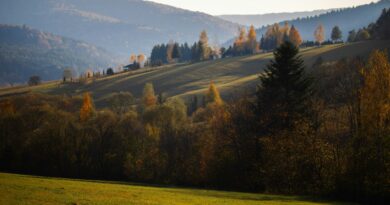
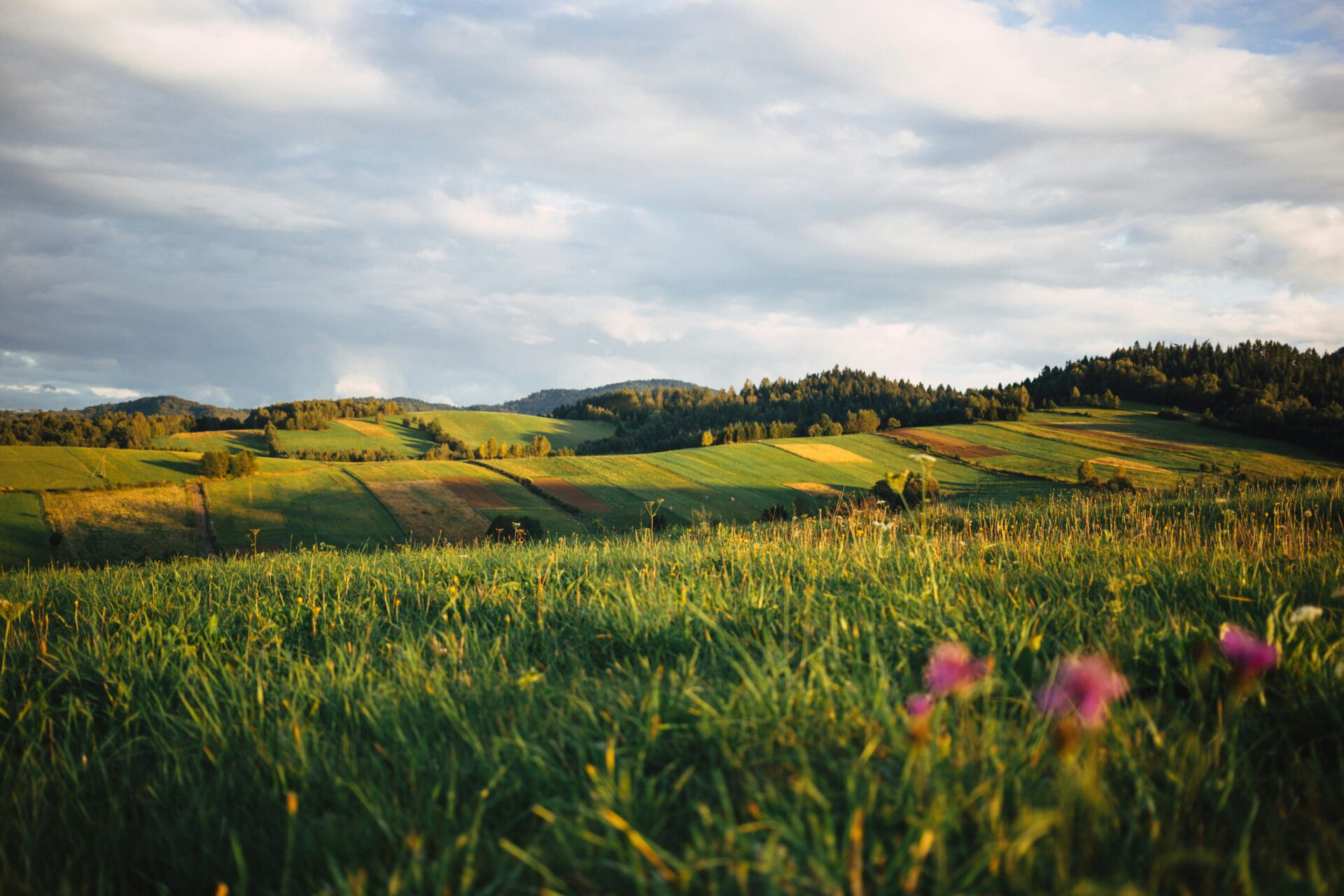
The collection spans the 1960s to the early 2000s. In addition, it highlights urban growth and the conservation of limestone landscapes. Moreover, Olsztyn shows restored castle ruins beside modern streets. Myszków instead reveals industrial-era housing and later retail changes. Therefore, Zawiercie appears as a transport hub and cultural centre. Consequently, Bobolice and Żarki Letnisko attract summer visitors with forests and trails.
Why these photos matter for visitors and residents
First, the images document infrastructure shifts that affect daily life. Moreover, roads and railways changed commute patterns. In addition, municipal projects reshaped town centres and green spaces. Therefore, newcomers should expect a mix of old blocks and new developments. However, tourist services improved slowly, and small businesses adapted to seasonal demand. Consequently, the area remains affordable compared with Poland’s big cities.
Heritage, tourism and local economy
Local heritage drew hikers and climbers for decades. Moreover, castles and limestone cliffs form a branded experience in the region. In addition, local governments promote trails and restoration efforts. Therefore, tourism now supports cafes, guesthouses and guided tours. However, some villages still rely on agriculture and small industry. Consequently, job types vary widely across short distances.
Photographers credited in the archive captured decades of detail. Moreover, their work helps scholars and planners. Therefore, these snapshots function as tools for local memory and tourism promotion. In addition, they help newcomers choose where to live or visit.
Finally, the gallery encourages visits to lesser-known spots. Moreover, it reminds readers to respect protected natural areas. Therefore, plan hikes with maps and local advice.
Source: Read original article
📚 Looking for more help settling in Poland? Browse our complete Expat Guides.