IMGW Issues 17 Weather Alerts Across Poland
IMGW issued 17 alerts on July 31, 2026, raising heat and storm warnings in Poland. Temperatures may reach 37°C and storms may bring hail.
The Institute of Meteorology and Water Management (IMGW) issued 17 alerts on 31 July 2026. The heat and storm warnings in Poland cover large areas and require immediate precautions.
Heat and storm warnings in Poland: where to expect danger
IMGW set the highest, third-degree heat alerts for Lubusz, Lower Silesia and Greater Poland. Meteorologists expect temperatures up to 36–37°C there. Consequently, health services warned about serious heat risks. Moreover, second-degree warnings cover wide western, central, southern and eastern zones. Therefore, many cities will face prolonged hot spells and difficult conditions.
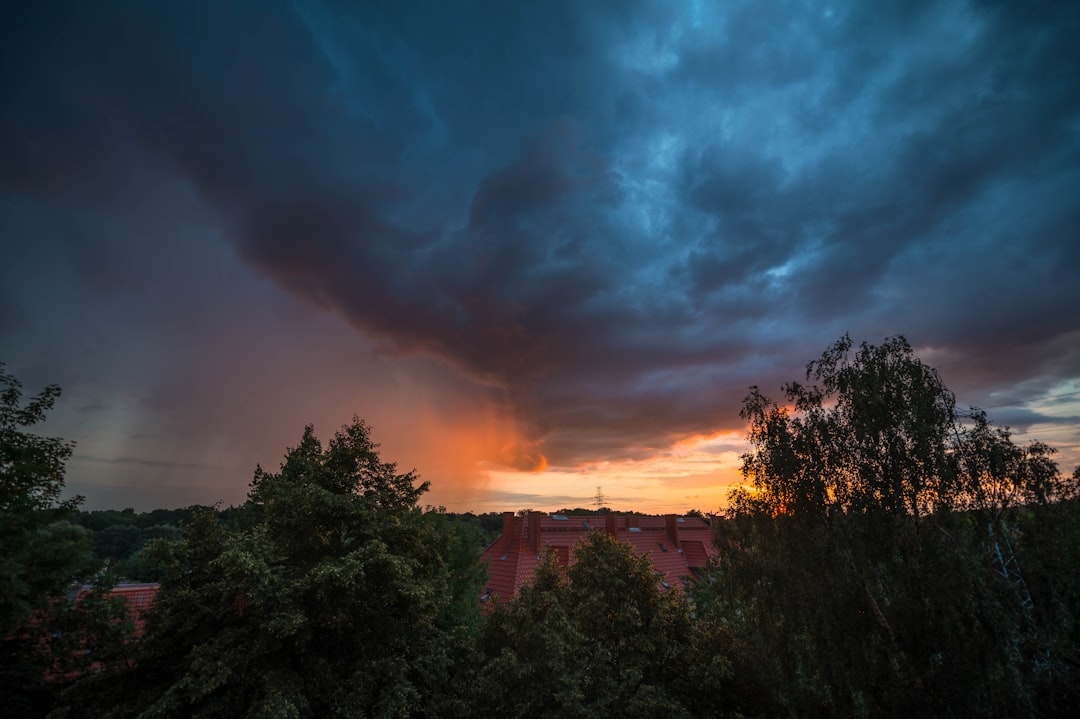
On the northern coast and other districts IMGW issued first-degree alerts mainly for thunderstorms. These storms may bring heavy rain, hail and strong gusts of wind. In addition, forecasters expect localized severe phenomena that can damage property. Consequently, drivers should watch for sudden visibility loss and slippery roads.
IMGW also warned that heat and storms can combine to create dangerous situations outdoors. Heat increases dehydration and exhaustion risks. Storms add the threat of falling branches and flying debris. Therefore, avoid parks and open fields during warnings. However, plan travel and errands in cooler hours instead.
What the alert levels mean and practical effects
Third-degree alerts mean extreme danger to health and life. Second-degree alerts mean a high probability of hazardous weather. First-degree alerts mean caution is necessary. Moreover, local authorities may close beaches or limit access to parks. In addition, public transport may face delays due to downed trees or flooded streets. Consequently, check local municipal updates before you travel.
Expat residents should note how Polish services operate during such events. Call 112 for emergencies, and check IMGW for live updates. If you need medical help, contact NFZ (public health insurer) or your GP. Also note ZUS (social security office) handles work-related benefits and sick leave paperwork. Keep your ID or residence card handy; a PESEL (national ID number) helps with admin, but emergency care can start without it. Finally, obey temporary bans to avoid a mandat (a fine).
Authorities remind residents to hydrate regularly and avoid sun exposure during midday hours. Moreover, they advise checking on elderly neighbours and infants. In addition, secure outdoor furniture and loose items at home. Therefore, businesses and schools should implement heat plans and adjust schedules.
IMGW updates alerts on its website and via official channels. Consequently, follow local media and the municipal social media feeds. However, do not rely on a single source; cross-check warnings and act when officials advise. Stay informed and prepare for sudden changes in conditions.
Source: Read original article
📚 Looking for more help settling in Poland? Browse our complete Expat Guides.