
How to Match Storage to Your Warehouse Needs
Practical guide to choose the right warehouse storage system for your operation. Learn why layout, rotation, and Polish rules matter.
The choice of a warehouse storage system can change daily operations and costs. Therefore managers must match storage to the business needs and building specifics.
warehouse storage system: why fit matters
Firstly, matching racks to product types reduces handling time. Moreover, matching to pallet loads, cartons, or long items prevents damage. In addition, a tailored layout saves floor space and energy. Consequently, companies cut operating costs and improve throughput. However, poor choices force ad-hoc fixes and slow workers.
Assessing needs: product type, rotation and space
Start with a simple audit of goods. For example, note weight, dimensions, and special needs like refrigeration. Secondly, measure turnover and average storage time. Moreover, check building height and floor capacity. In addition, test vehicle paths for forklifts and pallet jacks. Therefore you avoid installing racks that the forklifts cannot access. Also consider seasonal peaks and future growth.
Common systems and where they work best
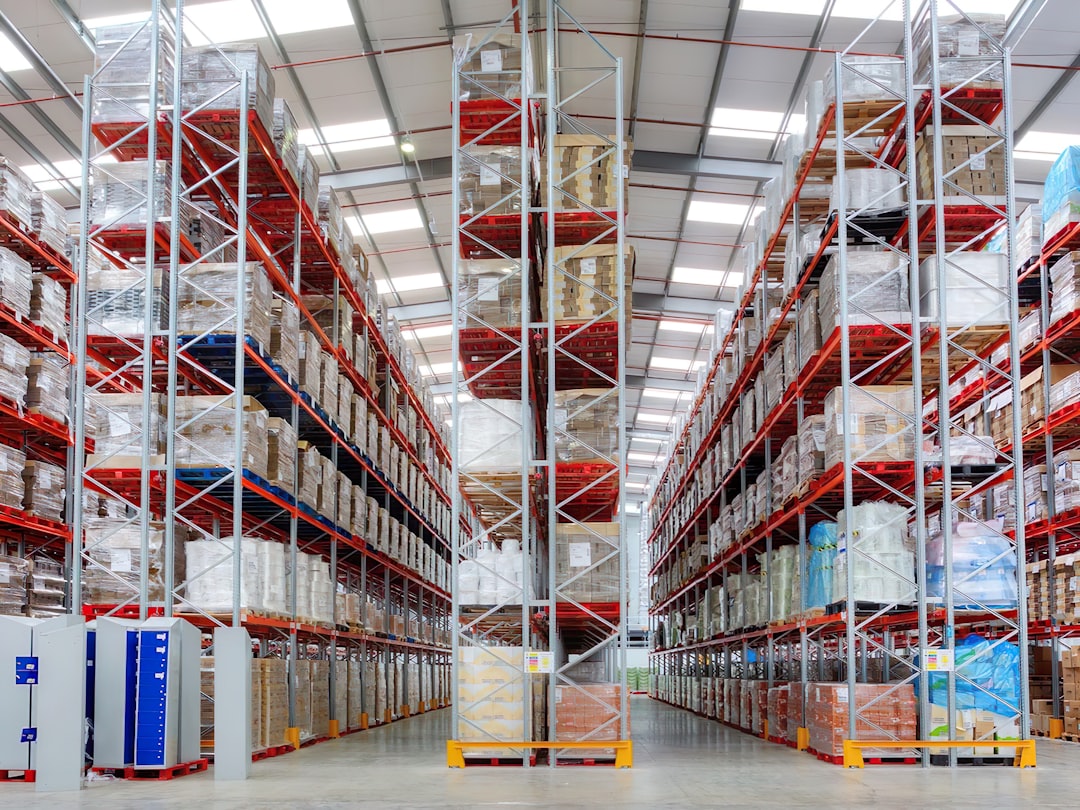
Row pallet racks suit many SKUs and high rotation. Moreover, high-rise racks exploit vertical height in modern halls. In addition, shelving fits pick-and-pack e-commerce operations. Consequently, cantilever racks handle long goods like pipes and beams. However, flow racks give FIFO automatically, which suits food and FMCG. Finally, shuttle and automated systems speed work in dense operations.
Manual vs automation and software integration
Manual racks cost less upfront and work for small operations. However, automation pays off in high-volume, 24/7 sites. Moreover, automated shuttles reduce human error and labor needs. In addition, integrate your layout with WMS and ERP. Therefore the system assigns optimal storage locations in real time. Also the WMS enforces FIFO, LIFO or FEFO rules. Consequently you spend less time hunting stock and more time shipping orders.
Importantly, hire an experienced supplier. For example, Rema offers made-to-measure racks. Moreover, they provide design help and after-sales support. Therefore you avoid costly downtime from incorrect installations.
Scaling, costs and safety
Plan capacity for double throughput if you expect growth. Moreover, choose modular racks that expand vertically or horizontally. In addition, use movable systems for temporary peaks. Consequently you keep operations flexible. Also weigh CAPEX against OPEX. For example, spending more on robust racks often lowers repair and energy costs later. Finally, verify floor flatness, load limits, fire exits, lighting and safety gear before installation.
For expats, note that suppliers in regions like Lublin will handle permits and local standards. Moreover, ask for client references in similar facilities. Therefore you confirm the supplier knows Polish building rules and BHP regulations.
Source: Read original article
📚 Looking for more help settling in Poland? Browse our complete Expat Guides.