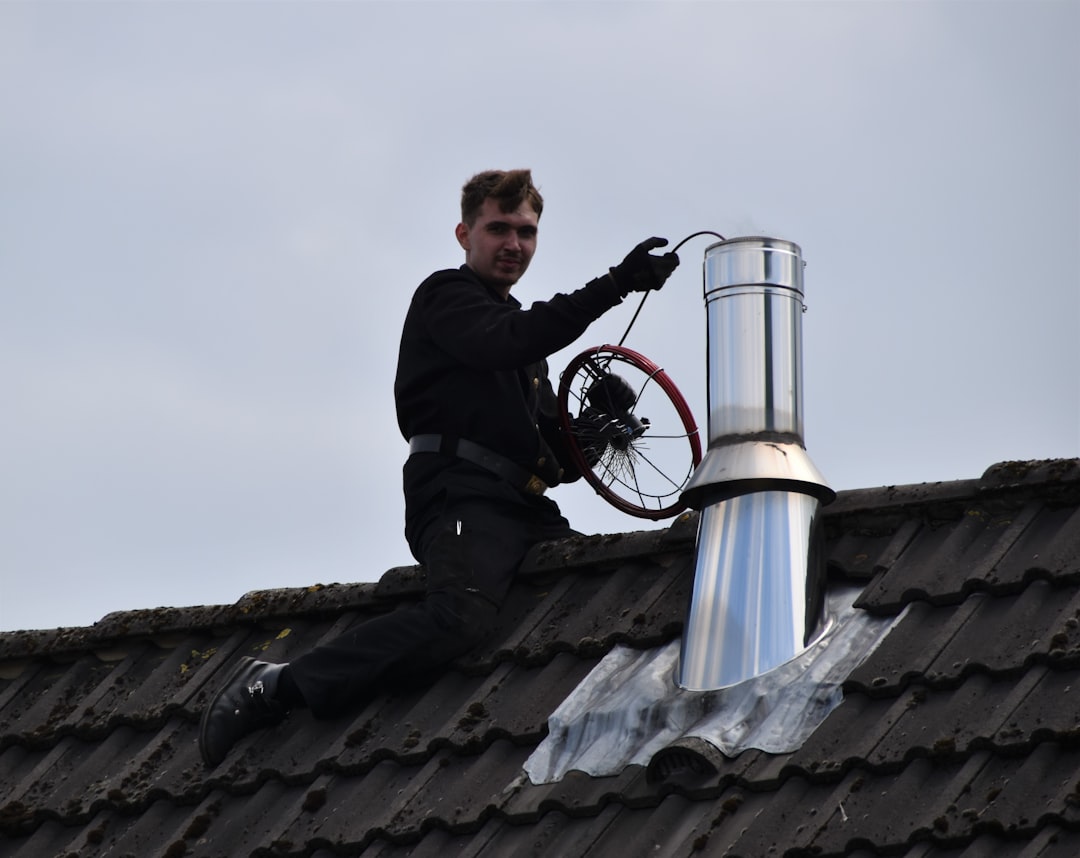
Homeowners must register chimney checks in CEEB
CEEB chimney inspection must be logged electronically from 2023. Learn what homeowners must do and how expats can verify records.
Homeowners across Poland received an important reminder as the 2026/2027 heating season begins: the CEEB chimney inspection must be logged electronically. Consequently, the National Chamber of Chimney Sweeps urges timely checks and clear documentation.
CEEB chimney inspection: what homeowners must do
The law requires owners and managers to perform periodic inspections under Article 62 of the Building Law. Moreover, the Krajowa Izba Kominiarzy announced the yearly “Invite a chimney sweep” campaign. In addition, the sweep must record the inspection as an e-protocol in the Centralna Ewidencja Emisyjności Budynków, known as CEEB. Therefore a paper certificate no longer qualifies as the official proof of inspection.
The e-protocol lives in the ZONE system. Consequently, each inspection leaves an electronic trace in the state database. This trace helps municipalities, building supervision bodies, and insurers check compliance. Moreover, it creates a building history that can matter during sales or insurance claims.
Why this matters to expats and landlords
Foreign residents may not expect routine building records to appear in a national register. However, Polish law now centralises these data. Therefore you should confirm that your sweep submits the e-protocol to CEEB after each technical check. In addition, the CEEB portal lets you verify the sweep’s identity and qualifications. The registry shows authorised persons who can lawfully create e-protocols.
Cleaning and inspections serve different goals. Consequently, owners must remove soot and deposits regularly. The Chamber recommends cleaning solid-fuel flues at least every three months. Moreover, oil and gas flues need cleaning at least every six months. In addition, ventilations that require attention should get at least annual cleaning. However, the technical inspection under Article 62 goes further. It checks structure, seals, and safe operation. Therefore the e-protocol documents the technical condition, not just the ash removal.
Practical steps and legal context
First, ask the sweep for an e-protocol reference in CEEB. Second, check the CEEB entry to confirm the sweep’s credentials. Third, keep photocopies or screenshots for your records. Moreover, ensure your property has working smoke and carbon monoxide detectors. The 2024 fire-safety update created new requirements. Consequently, alarms now matter for both safety and legal compliance.
For context, Polish terms may confuse newcomers. PESEL is the national ID number. ZUS runs social security. NFZ manages public healthcare. A “mandat” simply means a fine. Therefore keep documents and stay proactive to avoid penalties.
Source: Read original article
📚 Looking for more help settling in Poland? Browse our complete Expat Guides.