From -25°C to a milder winter: forecasts for Poland
New long-range models show a milder Poland winter forecast, driven by El Niño, but brief cold snaps remain possible.
Poland winter forecast shows a markedly different picture than last year. Consequently, citizens and expats should not assume calm weather for the whole season.
How last winter hit Poland
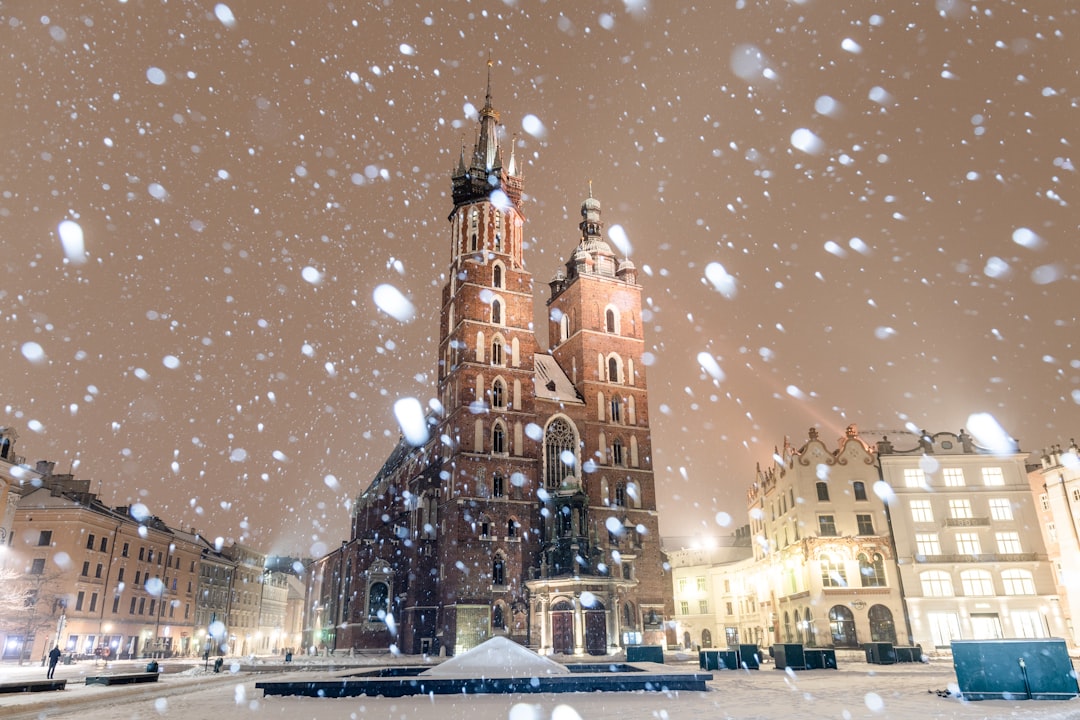
Last winter began with false calm. However, January brought severe cold and frequent snow. Temperatures dropped to -25°C near the ground in Podlasie. Moreover, Warsaw recorded -19.5°C on the coldest day. In addition, snow cover reached over 80 percent of the country at one point. Consequently, heavy winds caused blizzards and drifting that blocked roads. Therefore, authorities mounted icebreaking actions on the Vistula and Oder rivers late in February. Households felt the impact. Many families paid much higher heating bills. For instance, some gas-heated homes recorded increases of 3,000 to 4,000 PLN. Residents in flats paid roughly half that rise. Also, emergency services handled more road accidents during icy spells.
What the Poland winter forecast means
Early seasonal models now point to a milder winter. The main driver appears to be a very strong El Niño. NOAA places the chance of a strong event above 90 percent. Moreover, ECMWF models suggest that mean temperatures could run 1 to 2°C above long-term norms. However, the change will not feel uniform across Poland. Mountains and the northeast may still see heavy snow. Conversely, the southwest and south could see below-average snowfall. In addition, experts warn that seasonal forecasts describe averages. Therefore, the models cannot predict every cold spell or heavy snow day. Short cold snaps may still emerge. Consequently, people should keep winter gear ready.
Why this matters for expats and residents
Weather affects daily life in several ways. For example, prolonged cold raised energy consumption last year. Therefore, a milder average could reduce bills. However, local spikes in demand may still cause supply stress. Moreover, transport and school policies will respond regionally. In other words, a city like Kraków may act differently than Białystok. Also, local authorities decide road clearing and subsidies. For context, ZUS handles social insurance benefits, and NFZ runs public healthcare. In addition, your PESEL number links many local services. Consequently, knowing these institutions helps during weather emergencies.
For now, meteorologists will update forecasts as models refine. Therefore, expect changes before the season starts. In addition, prepare for both milder averages and isolated cold events. Consequently, plan heating budgets and winter supplies with flexibility.
Source: Read original article
📚 Looking for more help settling in Poland? Browse our complete Expat Guides.