
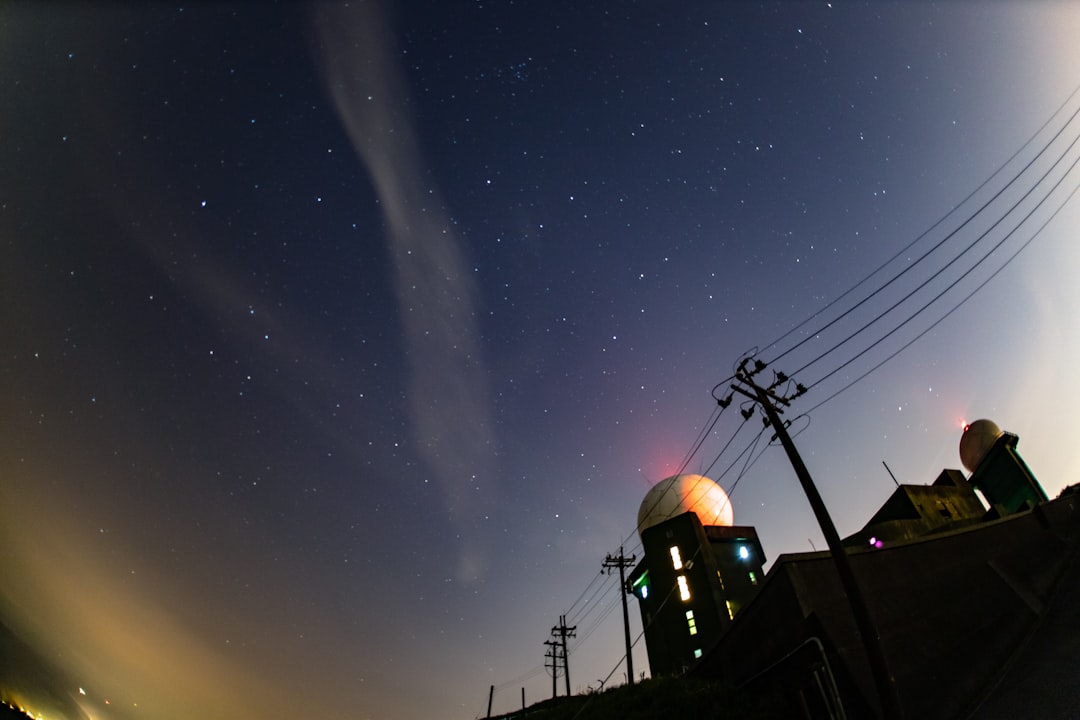
Easter comet C/2026 A1 (MAPS) brightens April sky
Easter comet C/2026 A1 (MAPS) may become the brightest comet since Hale-Bopp, visible after Easter near the western horizon.
The newly discovered Easter comet C/2026 A1 (MAPS) promises a rare sky show in early April 2026. Moreover, astronomers expect it could rival the last great comets seen from Earth.
Easter comet discovery and orbit
On 13 January 2026 observers found the object with a telescope in Chile’s Atacama Desert. Consequently, teams catalogued it as C/2026 A1 (MAPS). In addition, analysts identified it as a Kreutz-family sungrazer with a very elongated orbit. Therefore, the comet will skim extremely close to the Sun on 4 April 2026. However, the perihelion distance sits at only 160,000 km from the Sun’s surface. Moreover, the Sun’s gravity and heat will test the comet’s icy, rocky nucleus.
Why this sighting matters to viewers
If the nucleus survives its close pass, models predict a peak brightness near magnitude -5. Consequently, the comet could become visible even near daylight. In addition, observers on Earth may see a bright head and a long tail. However, visibility will depend on local weather and horizon clarity. Therefore, urban light pollution in cities like Warsaw or Kraków could dim the view. Moreover, coastal or elevated locations improve chances for sighting. In addition, according to forecasts, the best viewing window will arrive just after Easter, low above the western horizon after sunset.
How and where to watch safely
Look shortly after sunset toward the west to locate it. Moreover, use Venus as a bright guide star near the comet’s path. However, never look toward the Sun with unfiltered binoculars or telescopes. Therefore, protect your eyes and your instruments. In addition, follow live feeds from solar telescopes like SOHO and missions shared by ESA and NASA. Consequently, online streams offer a safe close-up alternative to backyard viewing.
Scientists will monitor C/2026 A1 (MAPS) closely in the coming days. Moreover, telescopes in Chile, space observatories, and amateur observers will share data. Therefore, the event presents rare science outreach opportunities. In addition, for expats this can be a great way to meet locals and learn about Polish astronomy groups. However, check weather and safety advice before planning a trip to a viewing site.
Source: Read original article