
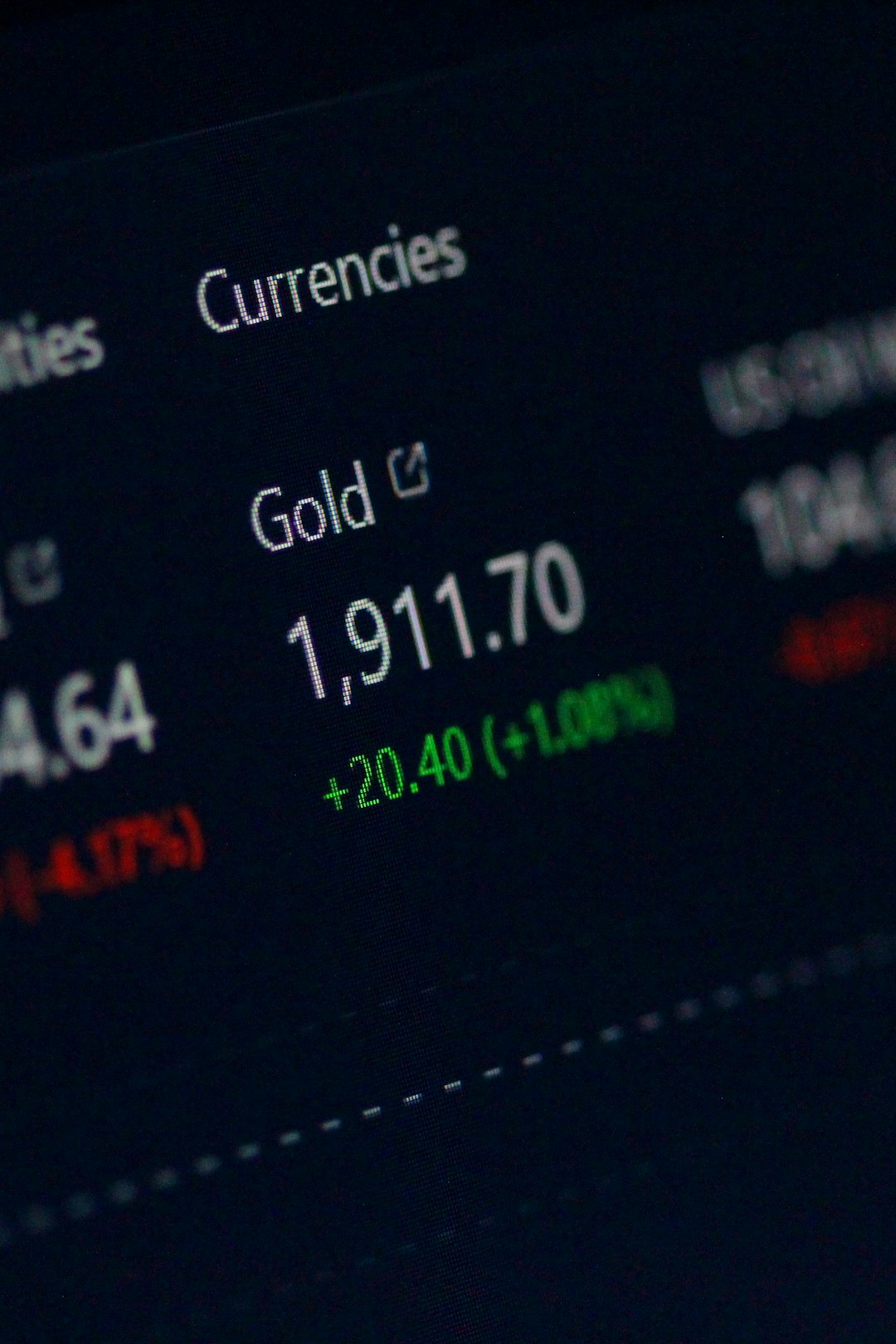
Dollar Weakens, Gold Gains After US Ruling
A U.S. court ruling that questioned the government’s authority to impose tariffs pushed the dollar lower and sent gold prices higher, increasing volatility. Here’s what expats in Poland should know and how it can affect everyday finances.
The recent U.S. court decision that questioned the executive branch’s authority to impose certain tariffs sent ripples through global markets, with gold jumping as the dollar weakened. Investors treat gold as a barometer of policy risk in 2026, and this legal development has amplified volatility that can quickly touch your wallet.
What the court ruled and why it matters
A U.S. federal court concluded that parts of the executive’s tariff actions may have exceeded the scope granted by Congress, a finding that undermines the legal footing for some trade levies. While the decision is likely to face appeals, markets reacted immediately: rules that determine import costs — and therefore corporate margins and inflation expectations — are now seen as less predictable. That legal uncertainty feeds into currency and commodity markets because traders reassess the likely path of economic policy.
Market reaction: dollar down, gold up
The ruling prompted a classic risk re-pricing: the U.S. dollar softened as investors sought assets perceived as safe havens, most notably gold. In 2026, gold continues to behave as a lightning rod for geopolitical and policy-driven nervousness — when confidence in policy or the dollar wavers, gold often rallies. For portfolio holders this means short-term spikes in gold prices and possible swings in FX rates that affect remittances, savings and imported goods prices.
Why expats in Poland should pay attention
As an expat living in Poland, you deal daily with two key exposures: currency (the Polish złoty, PLN) and inflation/interest-rate changes driven by policy swings abroad. A weaker dollar can indirectly influence the National Bank of Poland (Narodowy Bank of Poland) decisions if imported inflation shifts or global risk sentiment alters capital flows into Central Europe. That could translate into changes in mortgage costs, deposit rates or the PLN exchange rate. If you send money home, receive payments in foreign currency, or hold U.S.-dollar assets, brief but sharp market moves may affect transfer costs and portfolio valuations.
Source: Read original article