
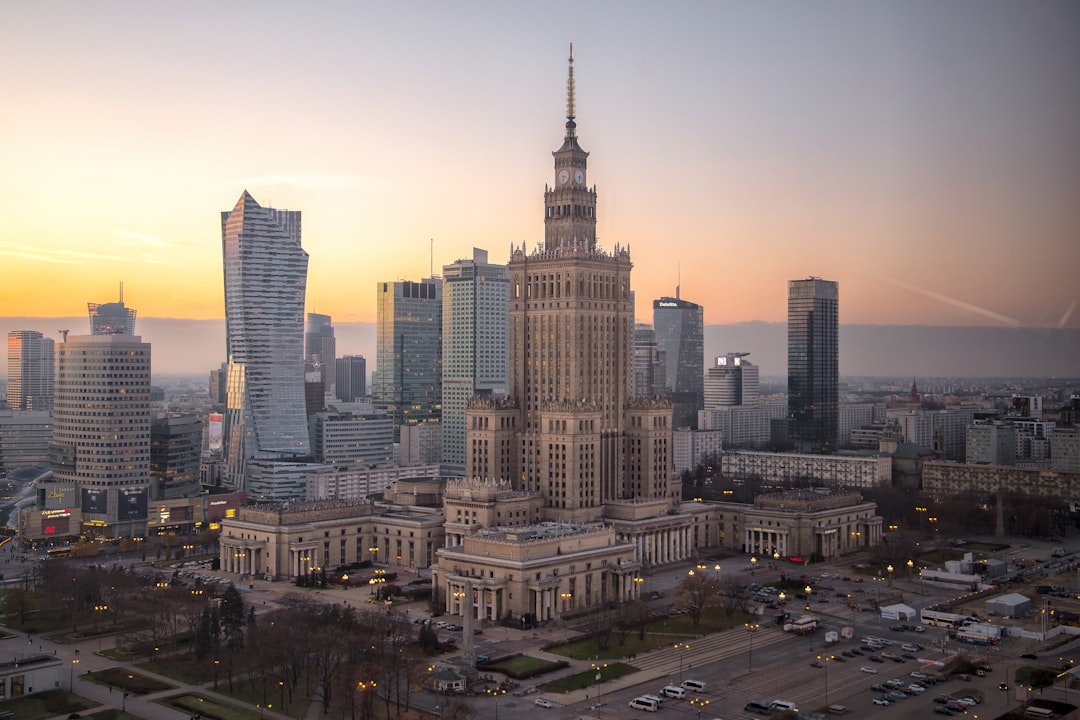
Debate on Pension Age and a ‘Childless Tax’ in Warsaw
A public debate in Warsaw raises the issue of a childless tax Poland and higher pension ages for childless women. Know what is law and what is proposal.
The debate over retirement age and a childless tax Poland has returned to public conversation in Warsaw. Consequently, politicians and petitioners have reopened sensitive questions about who pays for state welfare, and why.
How the idea re-emerged
In October 2025 an anonymous petitioner filed a request at the President’s Office. Moreover, the petition asked to raise the retirement age for childless women from 60 to 65. In May 2026 a government minister, Katarzyna Pełczyńska-Nałęcz, publicly suggested negotiating “somewhere between 60 and 65, closer to 65.” However, the Ministry of Family rejected the approach. Therefore, no draft law exists. Also, President Karol Nawrocki opposed the change during his campaign. As a result, the matter remains a public debate and petition, not law.
Debate over childless tax Poland
Meanwhile, a separate older idea resurfaced. Moreover, politicians periodically revive a so-called bykowe, a special levy on people without children. In addition, advocates cite foreign examples. For instance, Germany adds 0.25 percentage points to long-term care insurance for childless adults over 23. Conversely, France uses a family quotient that benefits larger families. However, Poland has not implemented any formal bykowe. Furthermore, expert reviews repeatedly recommend rejecting citizen petitions proposing such a tax.
Why this hits Warsaw harder than elsewhere
In Warsaw roughly half of young women have no children. Consequently, the fertility rate in the city fell to about 0.9 children per woman. Therefore, any policy targeting childlessness would affect many residents here. Moreover, urban demographics differ from rural areas. Also, younger city residents postpone parenthood for career and housing reasons. In addition, local costs and lifestyle choices shape family decisions.
What already exists in policy and what changes would mean
First, current law sets the female retirement age at 60. Also, mothers receive the same statutory age today. Secondly, Poland lacks a formal childless tax. However, analysts note an effective asymmetry. For example, parents receive benefits like 500+/800+ and tax allowances. Therefore, childless adults often pay more net tax in practice. In addition, contributors can increase pensions by working longer. (ZUS means the Social Insurance Institution handling pensions.) Moreover, NFZ denotes the National Health Fund for healthcare funding. Also, PESEL refers to the national ID number used for records.)
Experts warn policymakers about fairness and enforcement. Moreover, critics say legislators cannot easily separate voluntary childlessness from involuntary cases. Therefore distinctions would create legal and ethical problems. Also, psychological perceptions matter. Consequently, a visible tax would feel punitive, while missing benefits feel passive.
Follow official sources for updates. Moreover, this issue will likely resurface during electoral cycles. Therefore, residents of Warsaw should watch proposals closely. In addition, expats planning long-term stays may need to assess pension and tax consequences now.
Source: Read original article
📚 Looking for more help settling in Poland? Browse our complete Expat Guides.