Czech Churches Reborn as Museums and Venues
Deconsecrated churches in Czech Republic are finding new uses as museums, galleries and concert halls for communities.
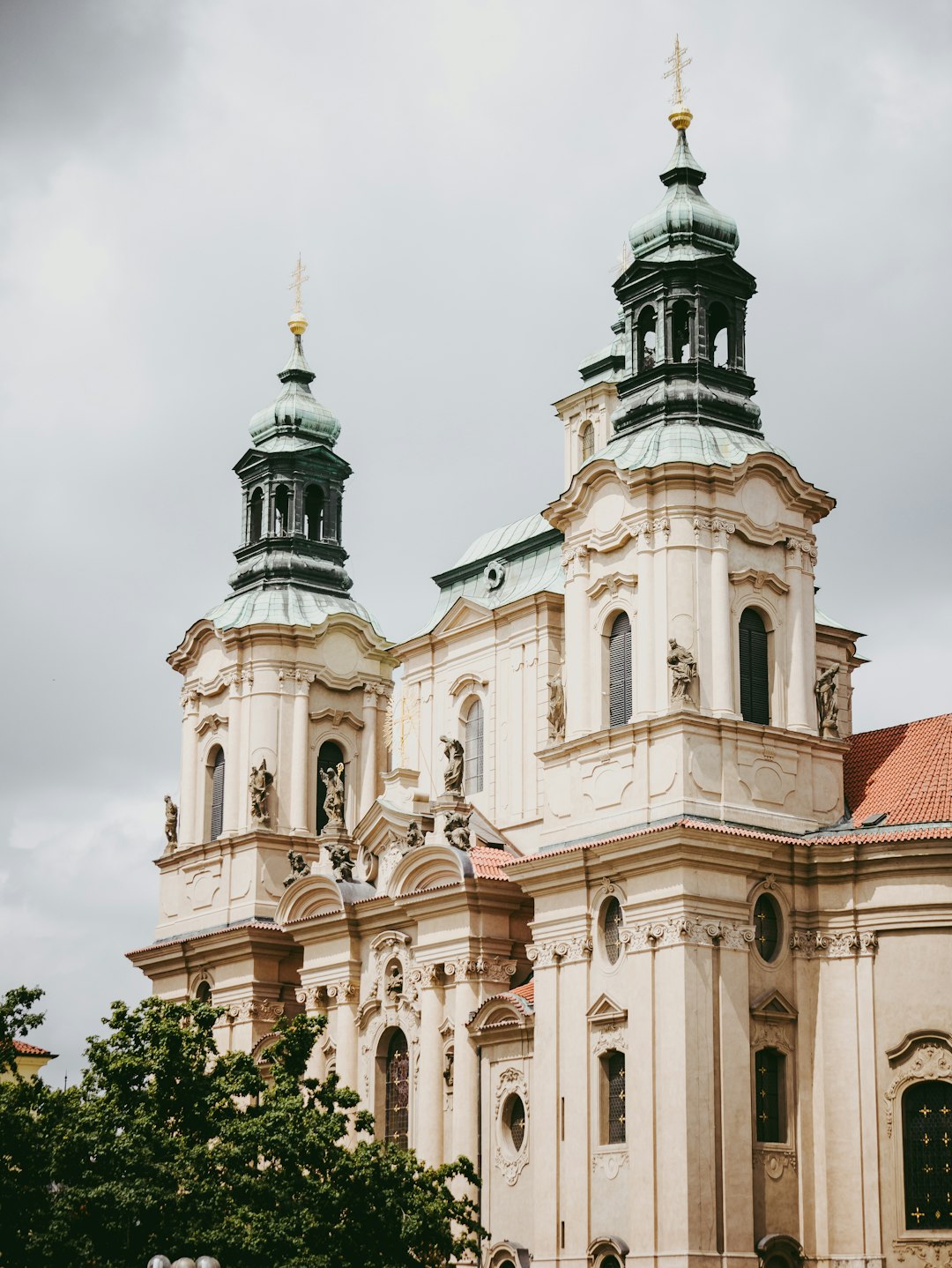
The rise of deconsecrated churches in Czech Republic signals a cultural shift across Central Europe. Consequently, old churches now find new life as galleries, concert halls and museums.
Why churches lose their sacred function
Across the Czech Republic, parish attendance has fallen for decades. Moreover, the country ranks among the most secular in Europe. Therefore, many parishes cannot cover maintenance costs. Consequently, dioceses start formal deconsecration processes. In addition, local authorities and private groups now propose new uses for the buildings.
Deconsecrated churches in Czech Republic
Many buildings now serve cultural purposes. For example, a Gothic church may host modern art. However, a Baroque chapel might host chamber music. Moreover, communities convert space into libraries, cafes, or cultural centres. Therefore, the structures avoid decay and remain public assets. In addition, adaptive reuse brings tourists and local visitors.
Notable conversions and local effects
In Prague and other towns, architects preserve vaults and stained glass. Consequently, they blend historic fabric with new functions. Moreover, festivals and exhibitions bring economic activity. However, critics warn about losing liturgical context. Therefore, heritage groups and church authorities often negotiate rules. In addition, legal steps ensure the building no longer serves as a consecrated place before conversion.
Developers and municipalities also face planning rules. Consequently, they must respect preservation laws. Moreover, they must secure permits before altering facades or interiors. Therefore, conversions can take years to complete. However, when they succeed, the community benefits from new cultural spaces.
What this means for expats and visitors
Visitors gain new cultural experiences in surprising settings. Moreover, many converted churches offer guided tours in English. Therefore, check municipal websites for event listings. However, opening hours can vary by season. In addition, restored sites often host community workshops and language events. Consequently, expats can use these venues to meet locals and learn culture.
Local governments often support conversions with subsidies. Moreover, EU heritage funds sometimes help. Therefore, the projects attract international attention. However, budgets remain tight in smaller towns. Consequently, grassroots groups sometimes lead the work.
Overall, the trend keeps historic buildings alive. Moreover, it reflects broader changes in Central Europe. Therefore, deconsecrated churches find roles that serve today’s communities.
Source: Read original article
📚 Looking for more help settling in Poland? Browse our complete Expat Guides.