Community Preparedness Training in Lublin
Lublin Territorial Defence runs free community preparedness training to teach first aid, cyber hygiene and survival skills. Sign up via mObywatel.
The 2nd Lublin Territorial Defence Brigade has taught hundreds of locals practical skills through community preparedness training. Moreover, the free workshops cover first aid, survival basics and cyber hygiene for individuals and institutions.
What the program offers
The wGotowości program focuses on hands-on learning. In addition, instructors simulate real scenarios to build confidence. Participants learn basic first aid steps. They also practice stabilising an injured person. Moreover, the course covers simple survival techniques. Therefore, attendees gain skills useful in daily accidents and in larger crises. In addition, instructors emphasise quick decision making. The sessions use simple gear and clear methods.
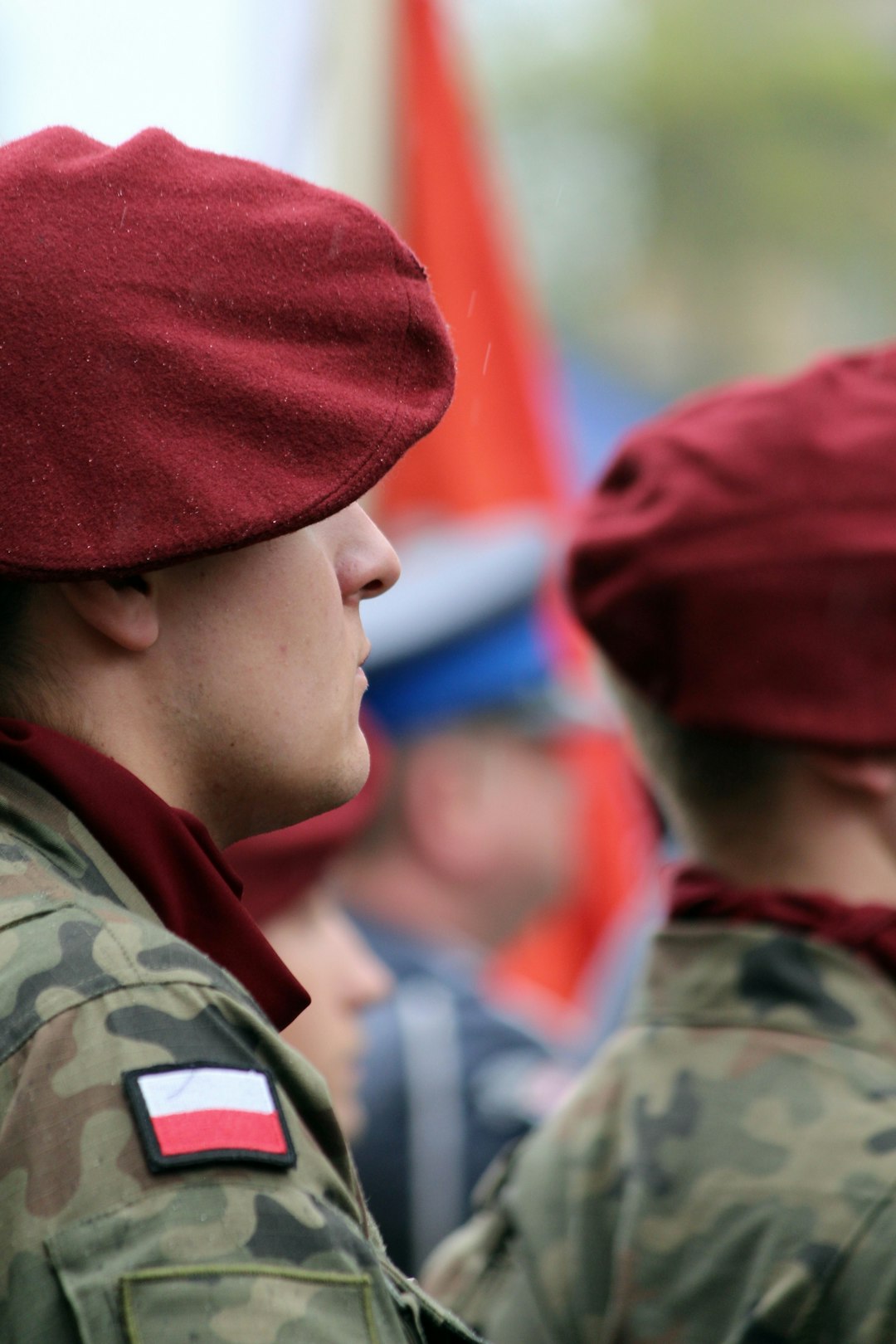
community preparedness training in Lublin
The 2nd Lublin Brigade ran 17 workshops in 2026 alone. Consequently, more than five hundred people from the region have taken part since last autumn. The program invites individuals and organised groups. In addition, employers, institutions and public administrators can request group sessions. The Ministry of Defence and the General Staff support the initiative. Therefore, the training forms part of a national push to increase resilience.
Practical focus and cyber hygiene
The lessons include cyber hygiene as a key topic. Moreover, instructors show how to protect personal data online. They teach how to spot phishing and social engineering. In addition, participants learn to counter disinformation. The training highlights secure use of apps and online services. Therefore, expats can learn how to protect accounts tied to PESEL or ZUS numbers. (PESEL means national ID number, while ZUS refers to social insurance administration.)
Why this matters for expats
Many foreigners rely on online platforms in Poland. For example, mObywatel stores digital documents. Therefore, cyber hygiene reduces risks for those services. In addition, knowing first aid helps when you call emergency services. In Poland, the public health fund (NFZ) covers emergency medical care for insured residents. However, expats should confirm their insurance status. Moreover, understanding local rules avoids fines or confusion. For instance, a traffic fine is called a mandat in Polish.
Signing up remains simple. Individuals can use the #wGotowości app or mObywatel. Organisations can use a dedicated form. The workshops stay free of charge. Next sessions run on 5 and 6 September. Consequently, space may fill quickly.
Local officers stress practical readiness. Captain Marta Gaborek from 2 LBOT noted steady interest. Moreover, she described participants as motivated and diverse. Therefore, the brigade plans further outreach.
Source: Read original article
📚 Looking for more help settling in Poland? Browse our complete Expat Guides.