
Choose the Right Packaging Film Formats
Learn how choosing the right packaging film formats prevents costly downtime and waste on Polish production lines.
Packaging film formats mistakes stop production lines and cost money. Therefore, manufacturers and expat managers must match film type to machines.
Why the right packaging film formats matter
Every packing line should run without unnecessary breaks. Moreover, wrong film type can halt a vertical or horizontal flow-pack machine. Consequently, a line waits until the correct material arrives. In addition, calibration tests generate lots of waste. Therefore, costs rise fast.
Common formats and when to use them
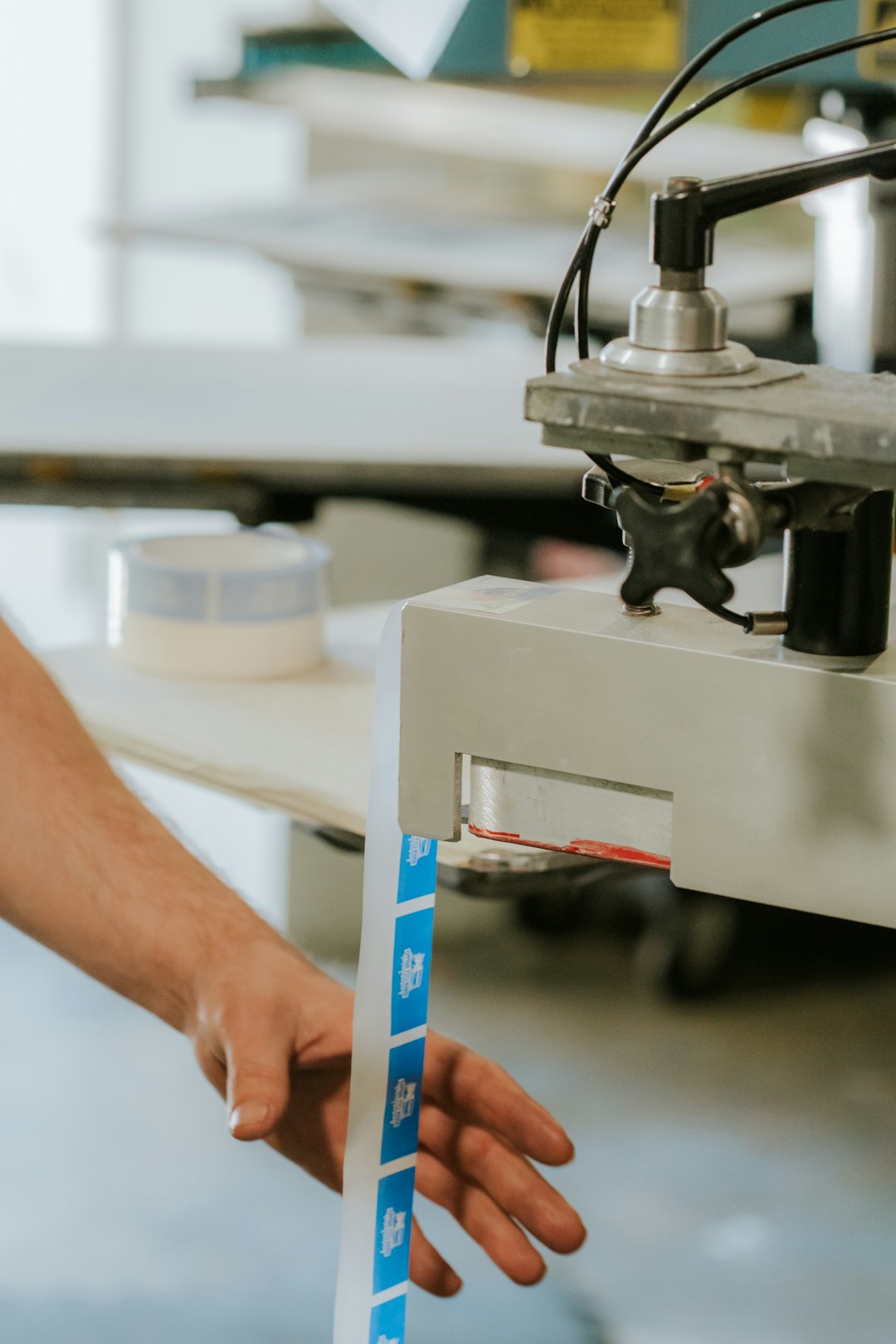
Full sleeves (tubes) allow cutting to any length. They suit bagging machines and fixed-perimeter items. Moreover, sleeves remove the need to stock many bag lengths. Half-sleeves split the sleeve on one side. They work well with corner-sealers and for layered products. In addition, half-sleeves simplify manual placement before sealing. Film tape is a single layer on a roll. Therefore, VFFS and HFFS machines require tape. Consequently, these machines fold and seal the film automatically. Furthermore, tape often reduces material consumption.
How to avoid downtime and waste
First, identify the exact machine type and model. Moreover, check the roller width and sealing system. Second, match film width and technical specs to the machine. In addition, order a test pack if you lack certainty. Third, train procurement and floor managers to ask suppliers specific questions. However, many teams buy “what they always buy”. Therefore, lines keep using suboptimal film.
Procurement mistakes often stem from missing technical details. Moreover, people fear asking suppliers about film specifics. Consequently, managers avoid showing gaps in knowledge. Therefore, companies end up with sleeves instead of half-sleeves. In addition, someone must spend time and money fixing the error.
Operational and financial benefits
Choosing the correct format reduces waste and boosts throughput. Moreover, it stabilises pack quality. Therefore, you see fewer rejects and lower material use. In addition, downtime drops and maintenance demands fall. Consequently, factories save on direct and indirect costs.
In Poland, regional supply chains vary. Moreover, Lublin and nearby factories can access many film suppliers. However, remote plants may wait days for special orders. Therefore, local sourcing often speeds recovery from errors. In addition, sample testing in advance prevents calibration waste.
To sum up, treat film as a process-critical material. Moreover, involve technicians and procurement in every purchase. Therefore, you prevent costly stoppages and reduce environmental impact. In addition, the right choice improves line efficiency and saves money.
Source: Read original article
📚 Looking for more help settling in Poland? Browse our complete Expat Guides.