
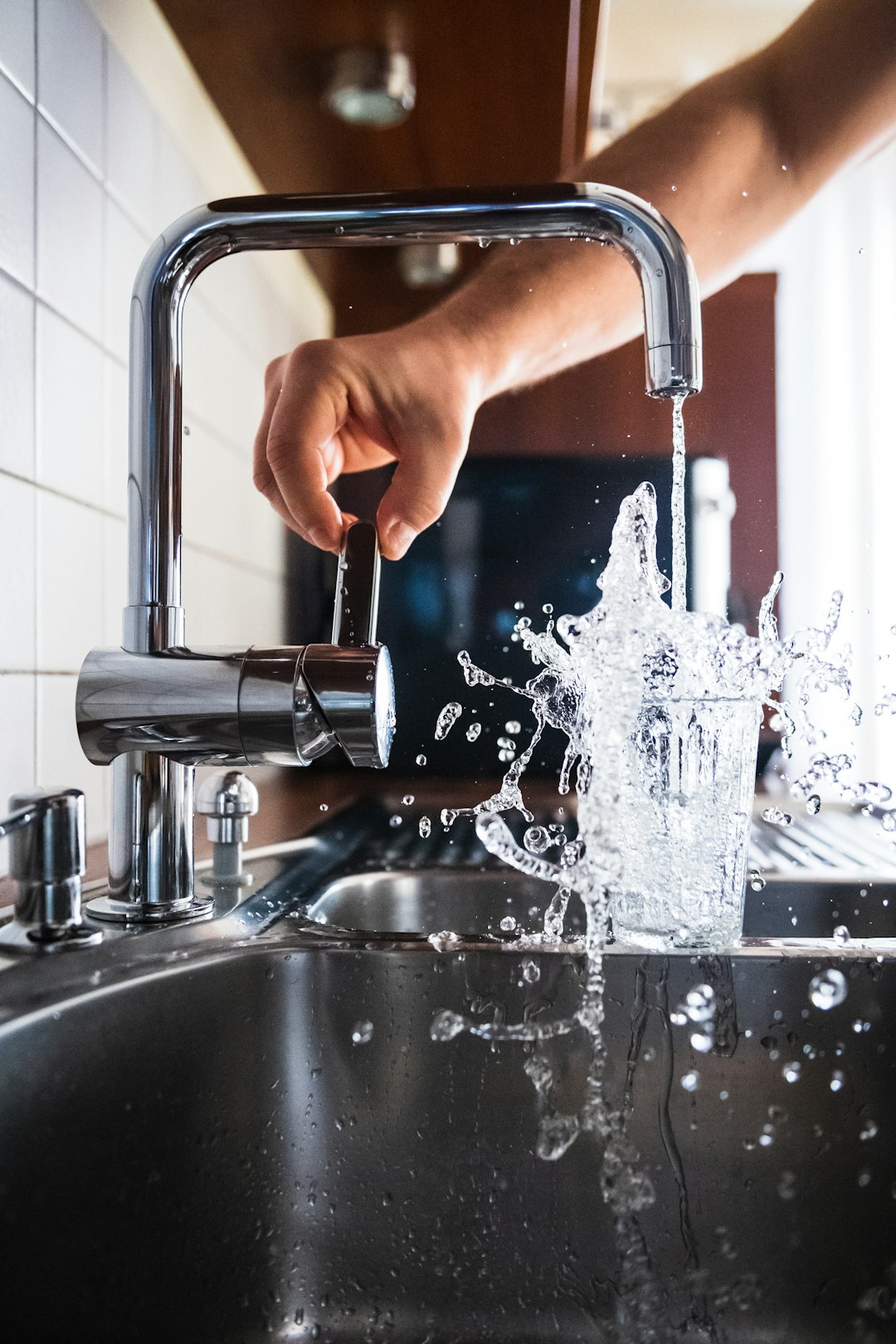
Checks extend water quality to the tap
New Polish law forces monitoring of water quality at the tap from source to faucet after legionella deaths; guidance, deadlines and costs for expats.
The president signed a law that extends monitoring of water quality at the tap. Consequently, public authorities will trace water from the source to your apartment faucet. The change follows a deadly legionella outbreak in Rzeszów in 2023.
What the law changes for water quality at the tap
The new act forces oversight across the whole water supply chain. Moreover, authorities now define the chain from intake and treatment to the point of use in each flat. Previously, municipal utilities only guaranteed water up to the main meter. Therefore, building owners bore responsibility for internal pipes without standardised rules. However, the Rzeszów tragedy showed the gap. As a result, the law makes everyone responsible for managing risks along the entire chain.
Who must act and by when
The law becomes effective on 21 May 2026. Municipal suppliers must complete first risk assessments at intakes by 31 December 2026. In addition, utilities and building managers must assess internal plumbing by 30 June 2028. Priority buildings face stricter rules. For example, hospitals, hotels, care homes and dormitories must test for legionella and lead regularly. Moreover, owners must notify the State Sanitary Inspectorate when they detect risks. The county Building Inspector (Powiatowy Inspektor Nadzoru Budowlanego) will receive reports too. Consequently, documented risk assessments must remain available for 12 years.
New tests, materials and costs
The law adds new mandatory parameters in drinking-water testing. These include microplastics, 17-beta-estradiol, nonylphenol and uranium. Moreover, Poland will adopt European positive lists for plumbing materials. Therefore, from 31 December 2026 only approved materials may enter the market. The reform carries large costs. Estimates vary from 50 to 100 billion złoty. However, nobody can yet give a precise national figure because authorities lack a full inventory of internal installations. Consequently, the costs will fall on multiple parties. Utilities pay for intake assessments and more lab tests. Building owners finance internal assessments and any required renovations. Municipalities must identify people without reliable tap access. In addition, the law does not include dedicated central funding for training or guidance.
For expats this means you should ask landlords or housing managers for documentation. Furthermore, you can request water testing if you suspect problems. The State Sanitary Inspectorate (Sanepid) can order tests and remedial actions. For example, in Warsaw report to the Stołeczna Stacja Sanitarno-Epidemiologiczna. In addition, a private accredited lab panel costs roughly 150-400 złoty.
What should you do next? First, ask your landlord or housing association about the age and material of internal pipes. Second, if you own a building larger than single-family, prepare for a mandatory risk assessment before 30 June 2028. Third, when renovating, ensure installers use materials on the European positive lists after 31 December 2026. Finally, remember that this law shifts practice and documentation, not immediate utility takeovers of private pipes.
Source: Read original article
📚 Looking for more help settling in Poland? Browse our complete Expat Guides.