
Blocks on Krakusa to receive separate heat nodes
MPEC builds 516 metres of pipes to replace a group exchanger and modernise the Krakusa heating network.
The local utility MPEC has started works that will reconfigure the Krakusa heating network and give six residential blocks separate heating and hot water nodes. The project includes 516 metres of new pre-insulated pipes and removes seven old heat chambers near ul. Krakusa. Consequently, residents should see improved reliability and lower heat losses.
Krakusa heating network: what is changing
MPEC will disconnect six blocks from a shared group heat exchanger. Instead, the utility will install individual two-function heat nodes in buildings numbered 1, 3, 5, 7, 9 and 11. Moreover, technicians chose stronger units for blocks 1, 3 and 5. Therefore, smaller units will serve blocks 7, 9 and 11. The works require trenches and on-site fencing. However, the company has set up walkways above the excavations to keep pedestrian access safe.
516 metres of new pipes and disappearing heat chambers
The construction crews will lay a total of 516 metres of new service and network pipes. In addition, the project uses pre-insulated pipes to reduce heat losses. Consequently, MPEC will remove seven old heat chambers known as K-0 to K-6. The removal reflects a citywide shift away from group exchangers. Furthermore, MPEC runs similar upgrades near ul. Graniczna as part of a wider modernisation plan.
Why the upgrade matters for residents and expats
Individual heat nodes change how buildings receive and control heat. As a result, residents gain more precise temperature control and faster hot water recovery. Moreover, the change can improve billing transparency when meters get linked to each node. For foreigners, note that utilities in Poland sometimes require registration details such as a PESEL number (the national ID code). A PESEL helps utilities and local offices link accounts to a person, but newcomers can open accounts without one by using a passport. Therefore, expect paperwork if you plan long-term residency.
MPEC says the works aim to cut heat losses and boost network reliability. In addition, the company seeks EU money from the FEnIKS programme. FEnIKS funds infrastructure, climate and environmental projects across Poland. Consequently, winning such grants reduces the need for higher local tariffs.
Practical impacts during construction
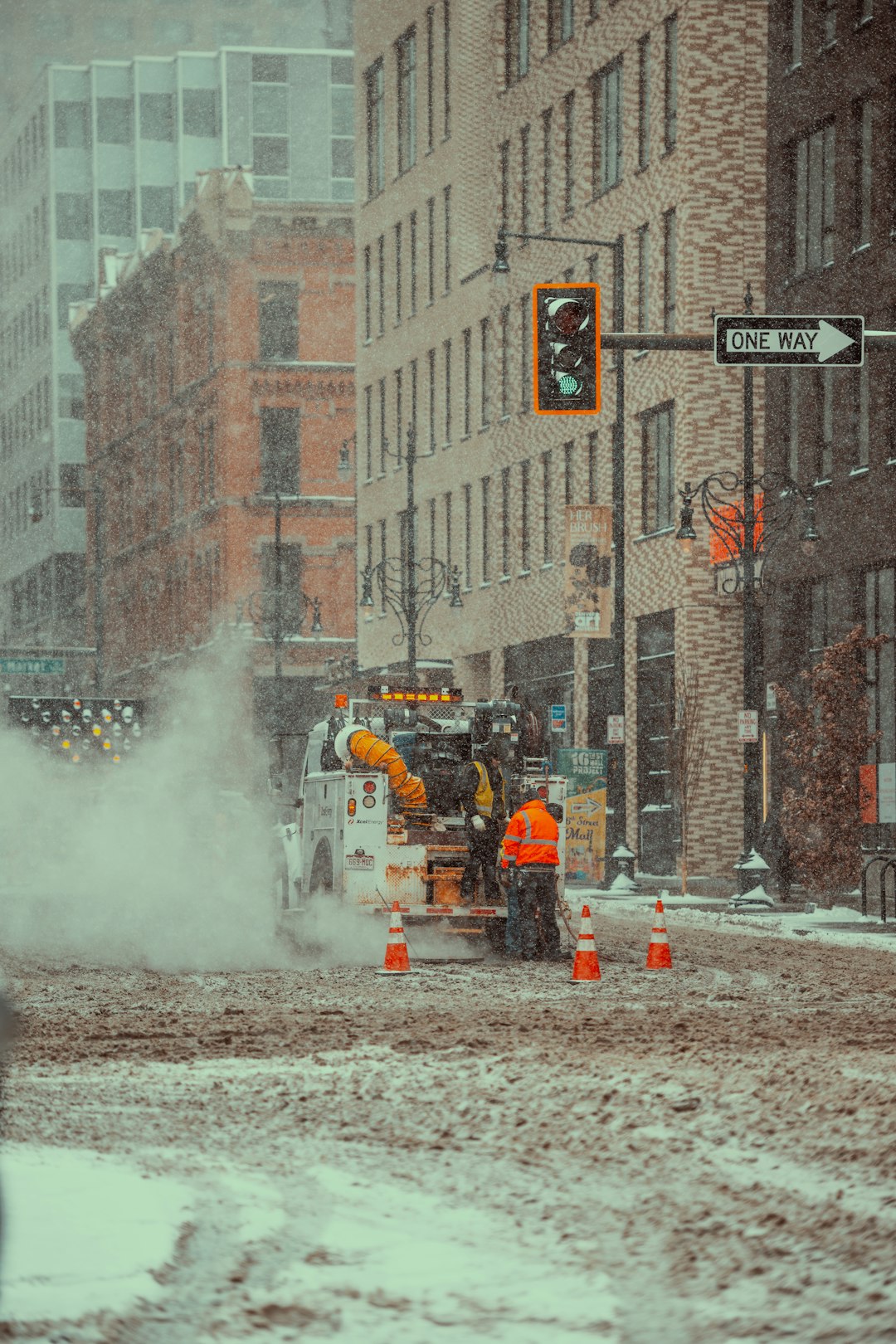
Works will cause temporary disruption near the blocks. MPEC fenced off the site and posted safety notices. Moreover, crews installed temporary walkways to keep people moving. However, residents should expect noise and occasional access restrictions. Therefore, plan extra time when visiting the area. The utility thanked residents for their patience on its website.
Source: Read original article
📚 Looking for more help settling in Poland? Browse our complete Expat Guides.