Banks Urge Keeping Cash for 72-Hour Emergency
Authorities advise an emergency cash reserve for three days to cover basic needs when cards and apps fail.
Banks and public institutions across Europe and in Poland now advise households to hold an emergency cash reserve. Consequently, they want families ready for roughly 72 hours of basic needs if terminals or networks fail.
How to build an emergency cash reserve
The European Central Bank notes recommendations in countries like the Netherlands and Finland. Moreover, those states suggest about 70–100 euros per person. However, Polish authorities have not fixed a single official amount for households. In addition, Poland’s safety guides from MSWiA (Interior Ministry), MON (Defence Ministry) and the RCB (Government Crisis Centre) list cash in small notes as useful. Therefore, the guidance asks citizens to prepare for at least three days.
Why cash matters during outages
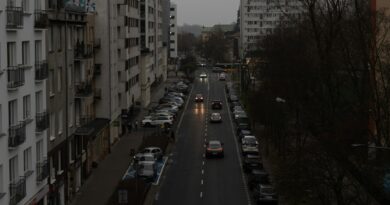
Electronic payments depend on many systems. For example, they need electricity, telecom networks and bank servers. Consequently, an outage can prevent card terminals and BLIK app transfers. Moreover, mobile networks can fail during storms or cyber incidents. Therefore, even when people keep money in banks, they may lack access to services. Also, cash lets you pay for water, food, medicine and transport immediately.
How much and what kind of cash to keep
European advice translates roughly to 300–450 PLN per person. However, avoid rushing to empty bank accounts. Instead, ask what you would spend in three days. For instance, consider small purchases like a loaf of bread, bottled water, or a local bus fare. Moreover, keep mainly small notes and coins for change. The RCB and other institutions stress small denominations to ease everyday transactions.
Practical steps for expats and residents
First, store cash in a secure and dry place at home. Second, keep it split across safe spots. Third, refresh the reserve occasionally to avoid worn notes. In addition, include a small notebook listing important phone numbers. Also, gather photocopies of IDs and documents like PESEL (national ID number), ZUS details (social insurance), and NFZ cards (public health insurance). These documents help officials and doctors during crises.
Cash does not replace bank accounts. However, it serves as a simple plan B. Therefore, keep it as part of a wider three-day emergency kit. That kit should include water, food, a torch, a battery radio, and powerbank. Moreover, such prep helps in storms, floods, and long power cuts.
Source: Read original article
📚 Looking for more help settling in Poland? Browse our complete Expat Guides.