
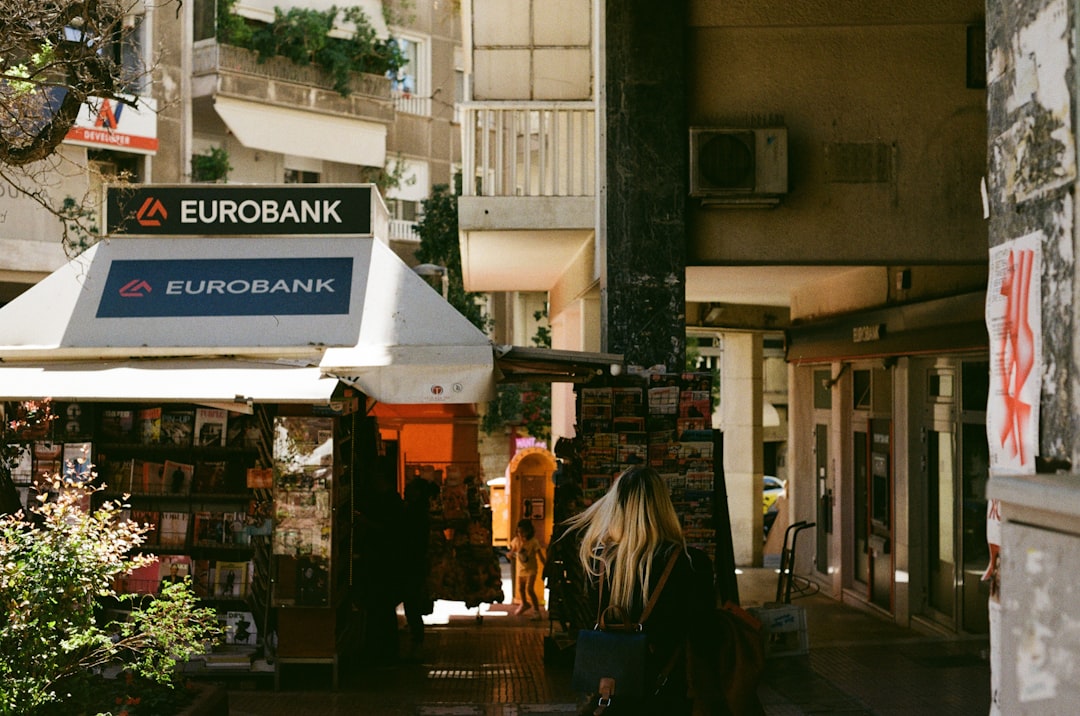
ATMs Resume, Warnings Issued Across Europe
ATMs resumed after Poland’s cashless outage; ATM withdrawals in Europe highlight risks for expats and cross-border services.
On November 1, 2025, Poland saw a sudden collapse of mobile and contactless payments during a national holiday. ATM withdrawals in Europe became a visible lifeline as queues formed and shops switched to cash.
ATM withdrawals in Europe: what happened and why it matters
BANK systems pushed cashless payments for years. Moreover, apps, contactless cards and BLIK led many people to stop carrying cash. However, a widespread glitch on November 1 halted BLIK codes across Poland. Consequently, bank apps failed for many users. Cash machines then filled with customers. Therefore petrol stations paused fuel sales for card users. In addition, some shops changed to cash-only checkout lanes.
BLIK is a Polish mobile payment standard that many people use. Moreover, it links to bank apps and to phone-generated codes. When BLIK stopped, people who had no notes found themselves unable to pay. Consequently, queues formed at ATMs. The outage highlighted a larger issue. Banks and networks can fail. Therefore citizens and visitors face real short-term risk.
How other countries warned and reacted
Several European regulators and banks issued advisories after Poland’s incident. Moreover, authorities urged banks to test backup systems. In addition, some countries restarted cash dispatches to ATM networks. However, regulators stressed that full resilience needs cross-border coordination. Consequently, travel insurers and firms re-evaluated contingency plans. Travelers and businesses now ask hard questions about single points of failure.
Local consequences and services affected
Emergency services remained operational, but retailers and transport operators felt the strain. Moreover, public transport machines and parking meters sometimes accept cards only. Therefore drivers and commuters faced delays. In addition, people collecting pensions or benefits from institutions such as ZUS (social security) had to wait or seek alternatives. Finally, medical pharmacies tied to NFZ (National Health Fund) payments saw queues too.
Government offices advised people to keep small amounts of cash. However, many younger residents had none. Consequently, older citizens and those on fixed incomes bore most of the burden. In addition, local police issued reminders about fines and procedures, since a “mandat” means a fine in Polish. Therefore travelers should know basic vocabulary.
Practical tips for expats and travellers
First, notify your bank before long trips. Moreover, enable international card use and note call-in numbers. In addition, store some euros or local currency in a secure place. Therefore plan for small daily expenses in cash. Second, check if your workplace or landlord accepts bank transfers. Moreover, keep digital copies of important IDs and bank details. Finally, register with your embassy if you live abroad. Consequently, authorities can help during large outages.
This incident proves that even advanced systems fail. Moreover, it shows how fast behaviour can revert to cash. Therefore people, businesses and regulators must balance convenience with resilience. In addition, expats should adapt personal routines to reduce disruption risk.
Source: Read original article