
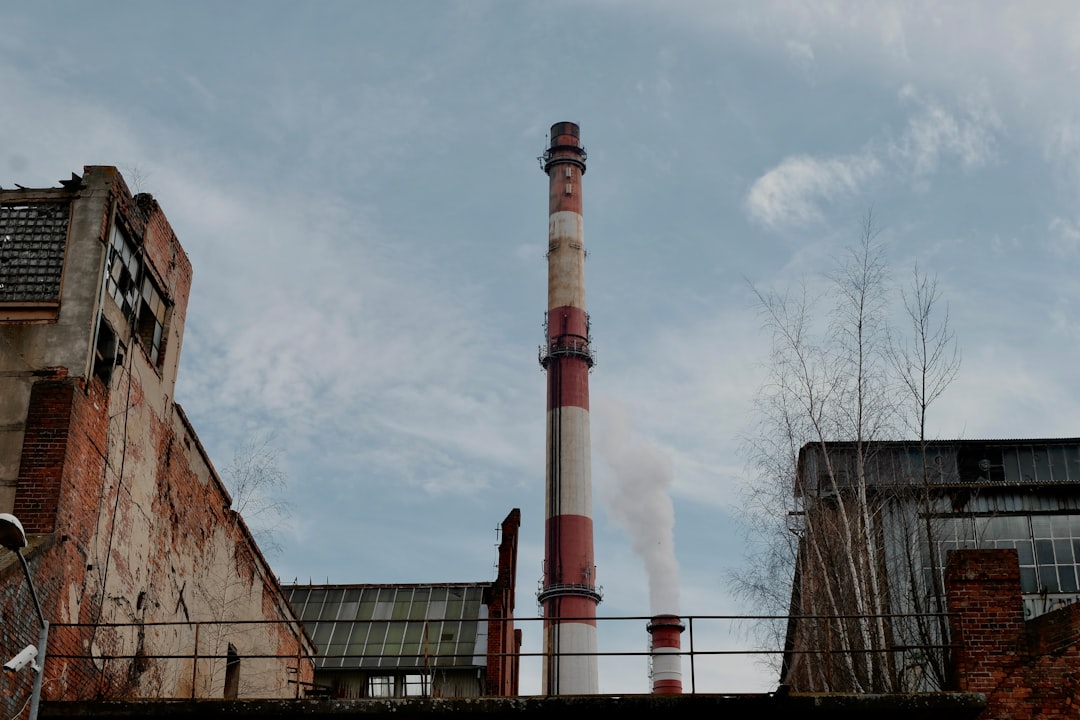
Anti-smog rules: check if you must replace stove
Poland’s regional anti-smog rules vary widely — some provinces ban old stoves with fines up to 5,000 zł while others have no limits. Expats should check local voivodeship regulations and subsidy programs before winter.
The expansion of regional anti-smog rules in Poland means that many households will need to check whether their heating appliance is still legal where they live. Authorities say 31 separate anti-smog resolutions now exist across 14 of Poland’s 16 voivodeships, with penalties in some areas reaching up to 5,000 zł.
What changed and why it matters
Poland’s anti-smog rules are not a single national law but a patchwork of regional resolutions adopted by provincial assemblies. That patchwork is the reason a device acceptable in one place may be unlawful next door: the source reporting these changes notes that one voivodeship can fine homeowners up to 5,000 zł for using an old wood-burning fireplace, while neighbouring provinces may impose no limits at all. Two voivodeships currently have no regional anti-smog regulations.
How enforcement and penalties work
Enforcement is carried out locally — often by municipal inspectors and law enforcement — and can include fines, orders to remove or replace non-compliant equipment, and potential administrative proceedings. If you receive a “mandat” in Poland, that is a fine issued by the police; additional penalties can be imposed by municipal authorities. The uneven landscape means landlords, buyers and tenants can face sudden costs if a local ban or tightening comes into force.
Financial help and next steps
There are national subsidy schemes that can help with replacing old boilers and stoves. The national “Czyste Powietrze” (Clean Air) program offers grants and low-interest loans to upgrade heating systems, administered through the National Fund for Environmental Protection and local authorities. Availability of funds, application windows and eligibility criteria vary, so affected households should check local voivodeship websites and municipal offices for current offers and deadlines — especially with tighter rules being phased in around 2026 in some areas.
Source: Read original article