Hundreds to Celebrate Orthodox Easter in Poland
Orthodox Easter falls on April 12; about 500,000 faithful and many Ukrainian arrivals will mark it across Poland.
Not everyone celebrated last weekend. Orthodox Easter will fall on Sunday, April 12, and hundreds of thousands will gather at festive tables. Consequently, churches and communities will prepare for large crowds. Moreover, the date follows the spring full moon and the Jewish Passover.
Orthodox Easter: Numbers and Dates
The Orthodox community ranks second by size in Poland. Consequently, the Polish Autocephalous Orthodox Church counts roughly 500,000 faithful nationwide. In addition, many Ukrainians who fled the war attend local parishes. Therefore, the number of worshippers increases, especially in eastern voivodeships.
Poland hosts over 300 Orthodox churches. Moreover, most stand in the east. For example, Lublin and Zamość host active and visible communities. Consequently, parishes will hold paschal vigils and processions. However, the liturgy and timing differ from the Roman rite.
How services and communities respond
Orthodox Pascha begins with a long fast. Therefore, many believers avoid meat, dairy, and eggs for seven weeks. Moreover, they keep strict fasting rules during Great Lent. Consequently, parishes often organise charity meals after the midnight liturgy. In addition, priests bless food baskets on Holy Saturday. Thus families return home and share the blessed food around the Easter table.
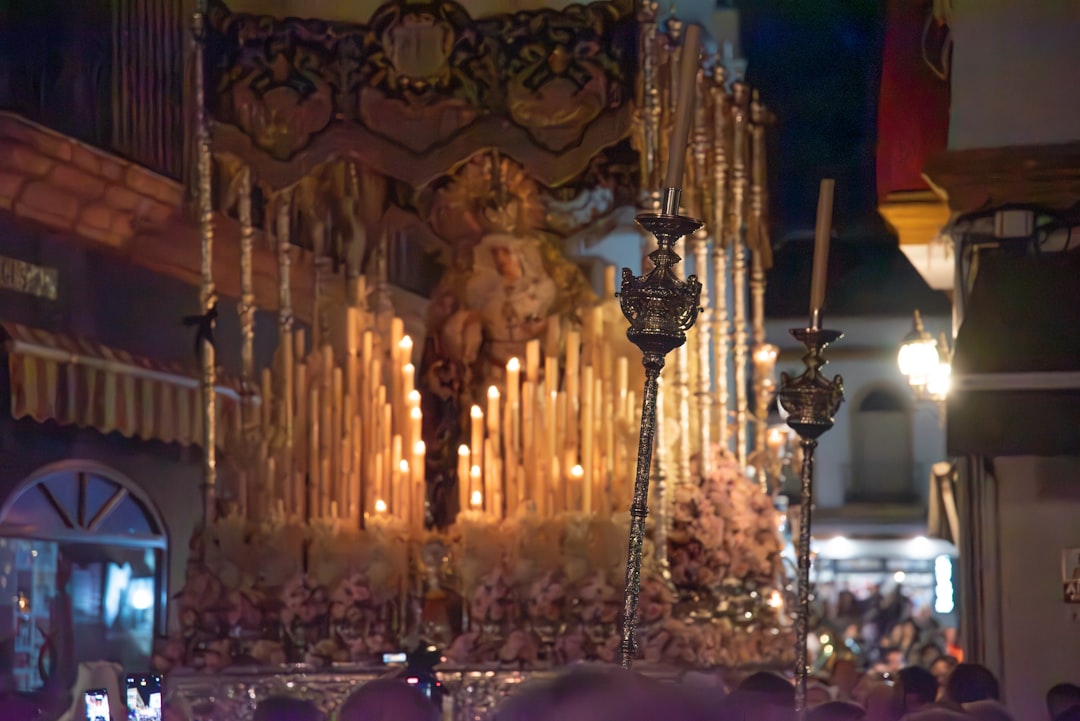
On Saturday night, churches hold a nocturnal vigil. Consequently, the service flows into a triumphant Sunday celebration. In addition, worshippers take part in processions around the church. Moreover, congregations chant the paschal hymn and shout the traditional greeting. The faithful answer: “Christos Woskresie! – Woistinu Woskresie!” Therefore the phrase replaces ordinary daily greetings during the forty days of Pascha.
Regional and security context
Since the war in Ukraine, many refugees attend Orthodox parishes. Consequently, local communities provide pastoral and practical help. Moreover, some parishes coordinate with municipal authorities. Therefore, cities plan for larger crowds and traffic near churches. In addition, civil services may adjust schedules for public transport and parking.
On a geopolitical level, leaders sometimes announce pauses in hostilities for the holiday. Consequently, both Moscow and Kyiv have at times reported truces coinciding with Pascha. However, such pauses carry security caveats. Therefore forces remain on alert despite formal suspensions of fire.
In sum, the Orthodox celebration will bring communal joy and ritual observance. Moreover, it highlights Poland’s religious diversity and the impact of recent migration. Therefore visitors and residents should plan ahead and respect local traditions.
Source: Read original article