
PLN 200k for Educational field workshops — Apply Now
Lubelskie launches PLN 200,000 scheme for Educational field workshops, funding outdoor lessons and tree planting. Grants up to PLN 30,000.
The Lubelskie regional government opened a call for proposals offering PLN 200,000 for Educational field workshops. The scheme funds free outdoor lessons for school groups and local tree planting across protected areas.
Educational field workshops: what the grant covers
The competition supports short, three-day workshops. In addition, each project must include free lessons for at least ten pupils. Moreover, the fund requires visible environmental action. Each grantee must plant at least ten native trees. Therefore, applicants should focus on species that support pollinators. The grants run from 15 June to 30 September 2026. Consequently, organisers can plan summer activities and early autumn follow-ups. Each project may receive up to PLN 30,000. However, applicants must provide at least 10 percent co-financing. The authority expects projects on protected sites in the voivodeship.
Why Lubelskie matters
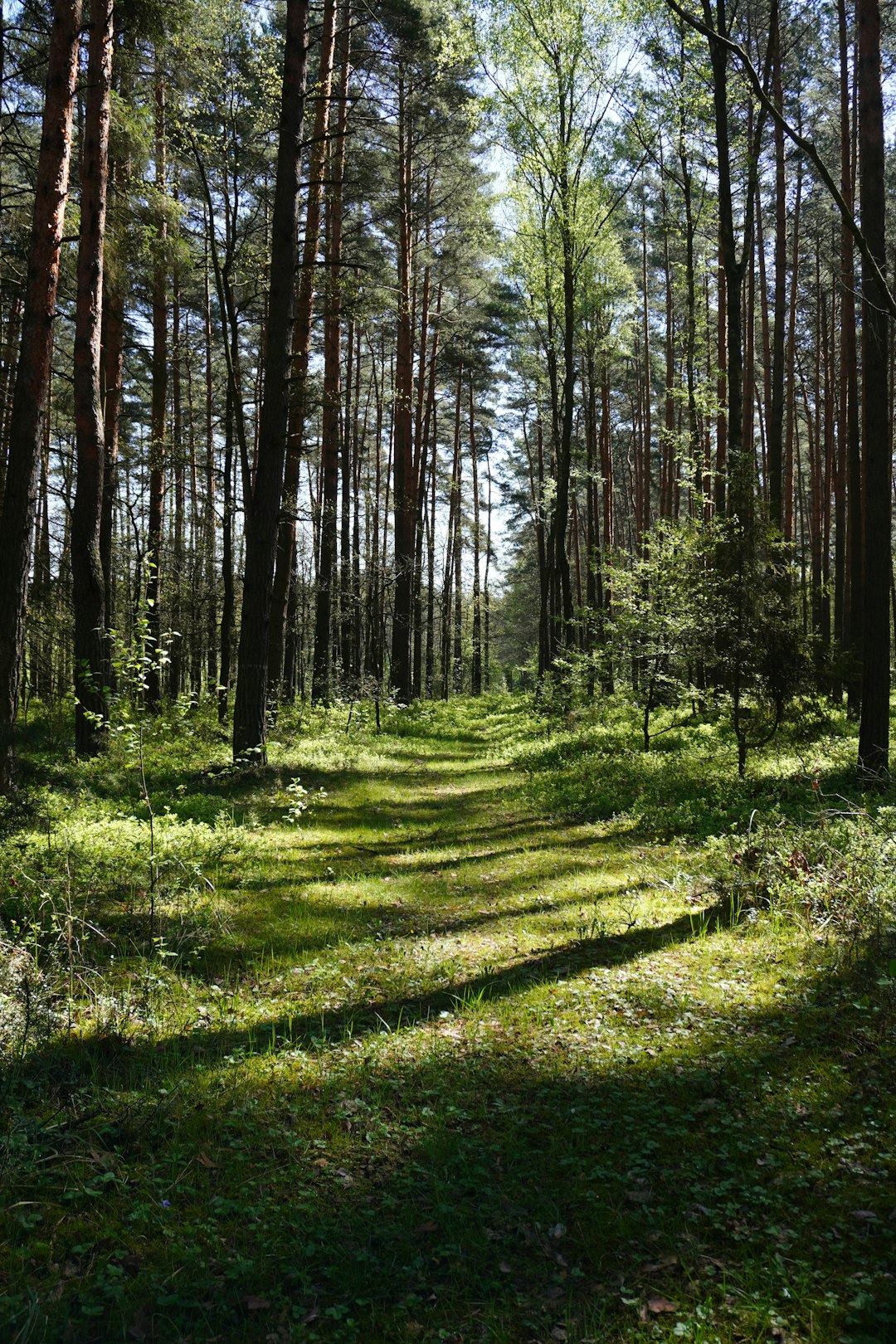
Lublin Voivodeship contains unique natural landscapes. For example, the region hosts seventeen landscape parks and many protected areas. Moreover, it features deep ravines, peat bogs, natural forests and post-glacial lakes. In addition, the Łęczyńskie Lakeland offers varied habitats for wildlife. Paweł Łapiński, director of the Lubelskie Parks, praised the region. He said participants learn by direct contact with nature. Therefore, the programme aims to shape pro-environmental attitudes among youth. Consequently, the initiative also counters urban concreting, known locally as “betonozation.”
How to apply and why it matters for communities
The regional board wants lasting benefits for towns and villages. In addition, the planting must occur in public space to ensure long-term impact. Marek Wojciechowski, the vice-marshal, emphasised urban biodiversity. He said the aim is to make centres friendlier for residents and visitors. Moreover, native, nectar-rich trees will help pollinators and local parks. Applicants can be schools, NGOs, public institutions or community groups. However, they must prove site access and planting consent. The authority will prioritise projects with educational value and a maintenance plan. Therefore, proposals should show who will care for new trees after planting.
Local organisers should treat the call as both an education and a biodiversity tool. Consequently, a small grant can deliver hands-on lessons and new trees. Moreover, expats who work with schools or NGOs can propose projects. However, they must provide clear maintenance plans and legal permissions. The programme offers a practical route to help communities adapt green strategies. Therefore, it links citizen education with tangible ecological gains.
Source: Read original article