Violent brawl on Wola leaves one critically injured
A late-night brawl between two groups of foreigners behind a petrol station on Aleja Solidarności in Wola left one man in intensive care and a car destroyed; police have opened an investigation. Practical advice for expats on safety and dealing with Polish authorities follows.
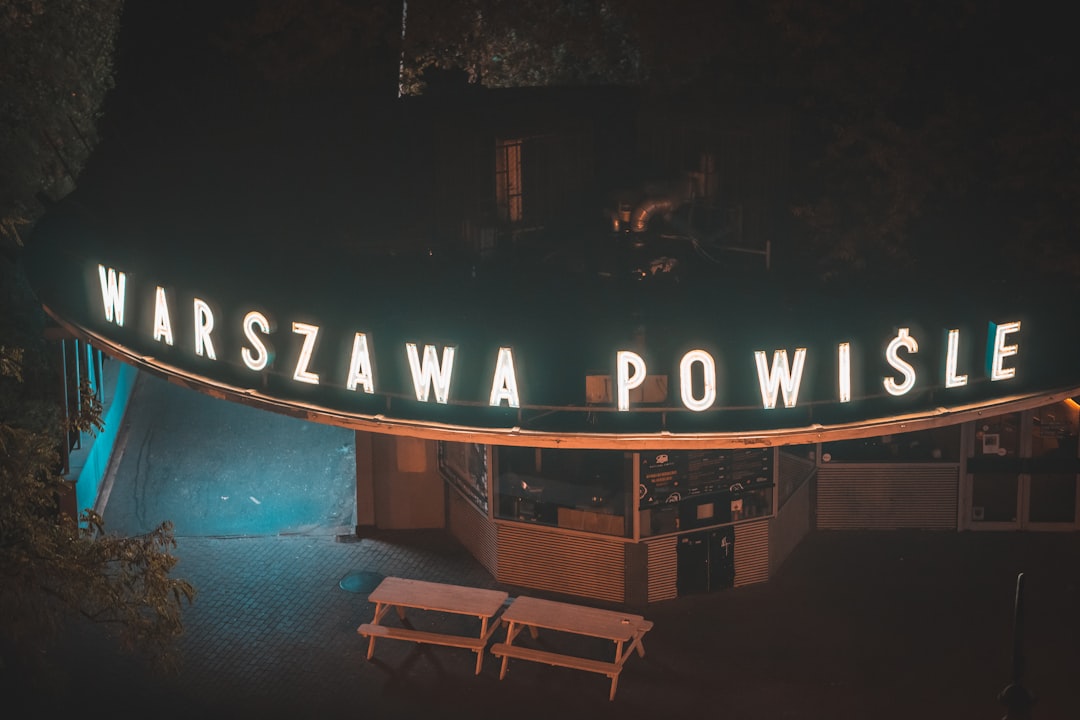
A violent brawl between two groups of foreigners in the Wola district of Warsaw late on the night of 27–28 February has left one man unconscious and in intensive care. The incident, which reportedly occurred behind a petrol station at Aleja Solidarności 100, also involved significant property damage to a parked car.
What happened
According to local reporting, the confrontation escalated around midnight at the rear of the fuel station on Aleja Solidarności 100. Two groups of non-Polish nationals clashed; witnesses say one man was beaten until he lost consciousness and subsequently taken to hospital, where he remains on the intensive care unit. After the assault, attackers allegedly vandalised a parked vehicle, leaving it heavily damaged. The scene was later attended by the police, who launched an initial inquiry.
Police response and likely legal steps
In cases of violent assault and property damage Polish law enforcement typically opens a criminal investigation (postępowanie przygotowawcze). The police collect witness statements, review any CCTV from the petrol station and surrounding streets, and work with prosecutors to determine charges—commonly grievous bodily harm or causing serious injury, and criminal damage. Suspects may be detained; under Polish procedure people can be held for up to 48 hours before prosecutor intervention. If non-citizens are charged and later convicted, immigration consequences such as fines or deportation are possible.
Why this matters to expats
For foreigners living in or visiting Warsaw, the incident is a reminder about nighttime safety and how Polish authorities handle violent incidents. If you witness or are involved in a similar event, immediate steps include calling emergency services, seeking medical attention, preserving evidence (photos, messages, receipts), and asking for a medical certificate—this document is commonly used as evidence in criminal cases. Non-Polish victims and suspects have the right to an interpreter and to contact their consulate; consular assistance can be crucial if legal or immigration issues arise.
Source: Read original article