
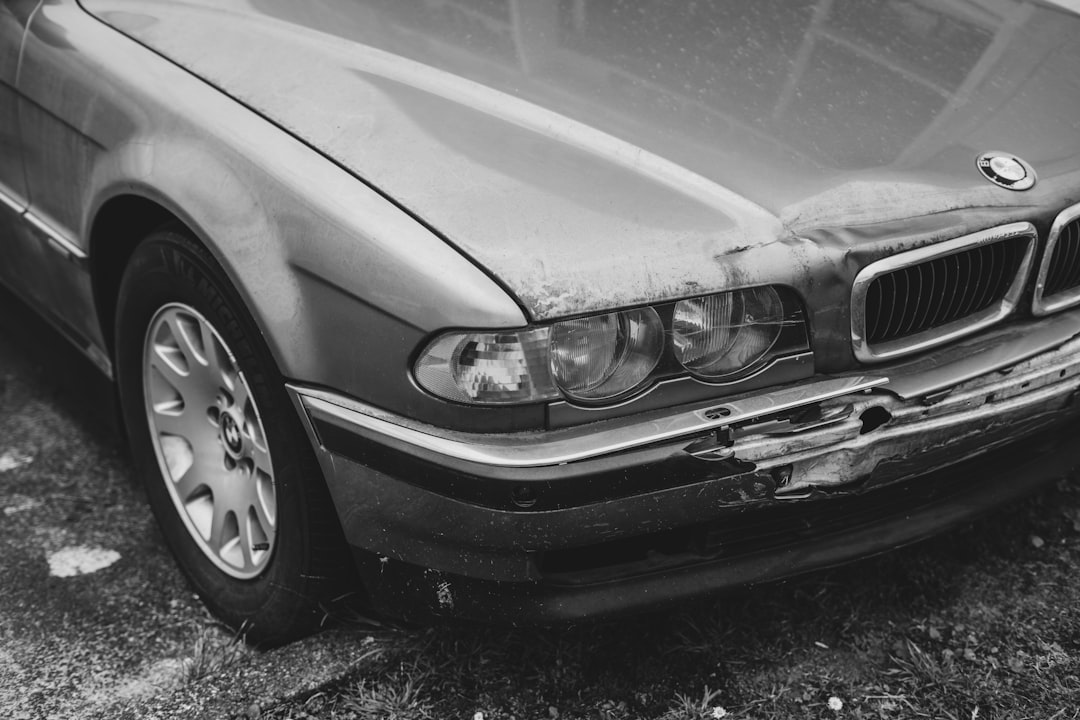
Drunk driving: BMW overturns near Środoń, driver at 2.5‰
A 37-year-old driver in Środoń was hospitalised after his BMW overturned on a bend; a breath test showed more than 2.5‰ alcohol. The case highlights Poland’s strict rules and serious consequences for drunk driving.
Drunk driving has again been blamed for a dangerous road crash near the village of Środoń (gm. Nowy Duninów, Płock county). Around 8:30 a.m. local police say a 37‑year‑old man lost control of his BMW on a bend, the car overturned and the driver was taken to hospital; an on‑site breath test showed over 2.5 promila (‰) of alcohol.
What happened — initial facts
According to preliminary statements from the police, the BMW appears to have left its lane while negotiating a curve and subsequently rolled over. The driver, who was conscious when emergency services arrived, was transported to a nearby hospital for treatment and further testing. A roadside breathalyser produced a reading in excess of 2.5‰ — a level that indicates severe intoxication. Local road disruption was reported around the time of the incident while investigators documented the scene.
Why this matters to residents and expats
This crash is important beyond the immediate injuries because it underscores two things foreigners often ask about in Poland: how alcohol limits are treated, and how police respond to accidents. A reading of 2.5‰ (about 0.25% blood alcohol concentration) is extremely high — at that level most drivers will have major impairment of coordination, judgment and consciousness. In addition to medical danger, such a level almost always triggers criminal procedures rather than a simple traffic fine.
Legal and insurance consequences
Under Polish practice, small amounts of alcohol can bring administrative penalties, but levels above roughly 0.5‰ typically lead to criminal charges. Criminal penalties can include heavy fines, long driving bans and prison terms; the court decides the exact sanctions based on the circumstances (injuries, danger to others, repeat offences). Separately, insurers may refuse coverage if a drunk driver caused the accident, exposing the driver to civil liability for damage and medical costs.
Source: Read original article