Rare Diseases: World Rare Disease Day Explained
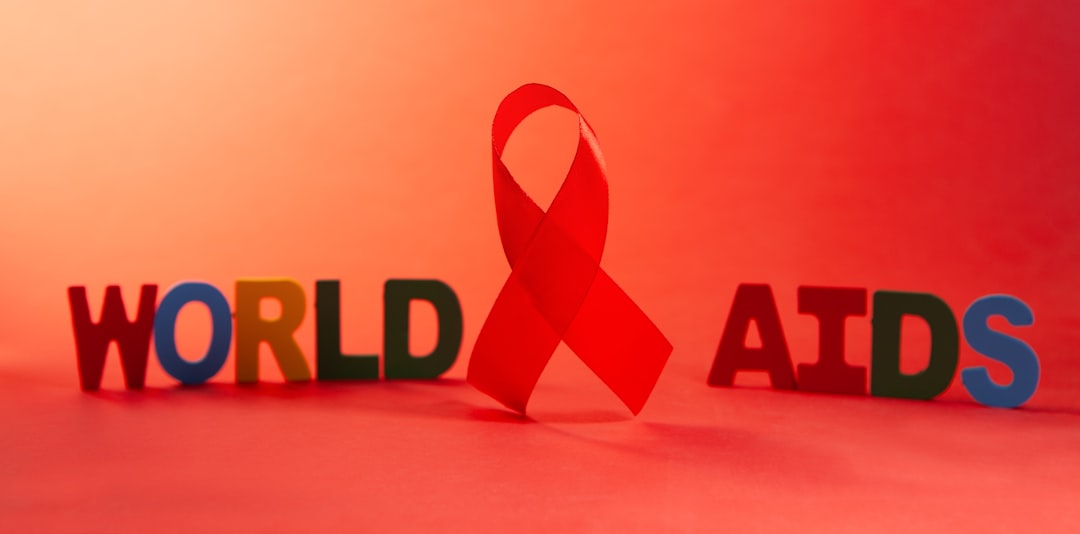
World Rare Disease Day is observed on the last day of February to raise awareness of rare diseases and the challenges patients face. For expats in Poland, the day highlights practical issues around diagnosis, access to treatment and navigating the public health system.
World Rare Disease Day, observed on the last day of February, shines a spotlight on people living with rare diseases and the systemic obstacles they face in diagnosis, treatment and social support. Established in 2008 by the European patient umbrella organisation EURORDIS, the event is symbolically held on 29 February in leap years — the rarest calendar date — to underline the uncommon nature of these conditions.
What is World Rare Disease Day?
World Rare Disease Day was created to increase public awareness, improve access to diagnosis and care, and promote research into what are often called “orphan diseases.” The campaign is coordinated by EURORDIS with local patient groups and health authorities across Europe and beyond. Activities range from public information events to policy lobbying for faster access to diagnostics, specialist centres and reimbursement of so‑called orphan drugs.
Why this matters in Poland
For residents and expats in Poland, the day is a reminder of both progress and gaps in the Polish system. Major cities such as Kraków and Warsaw have specialist clinics and genetic services, but access can vary by region and by whether a patient is covered by the public insurer, the NFZ (National Health Fund). Many innovative therapies for rare conditions are expensive and require special approval or inclusion in NFZ reimbursement lists. Patient organisations play a large role in Poland in arranging diagnostic pathways, peer support and advocacy.
Practical implications for expats
If you or a family member suspects a rare condition, the typical path starts with a primary care physician (GP) or paediatrician referral to a geneticist or specialist clinic. Expats who are employed and contributing to social security should have access to services funded by the NFZ; those on temporary stays may rely on an European Health Insurance Card (EHIC) or private insurance for diagnostics and care. For expensive orphan drugs, there may be special reimbursement procedures, compassionate use programmes or the option to seek treatment in another EU country under cross‑border healthcare rules — but these routes usually require careful documentation and prior authorisation.
Source: Read original article