Warsaw tram incident: resuscitation on Ochota ends in death
A 48-year-old man found unconscious on a tram in Ochota on 22 February 2026 died after on-board resuscitation attempts. The case highlights emergency response on Warsaw public transport and what passengers should know.
A Warsaw tram incident on the afternoon of Sunday, 22 February 2026, ended tragically when a 48-year-old man found unconscious inside a tram on Ochota was pronounced dead after resuscitation attempts. Passengers alerted the vehicle staff and emergency teams were dispatched quickly, but life-saving efforts were unsuccessful.
What happened on the tram
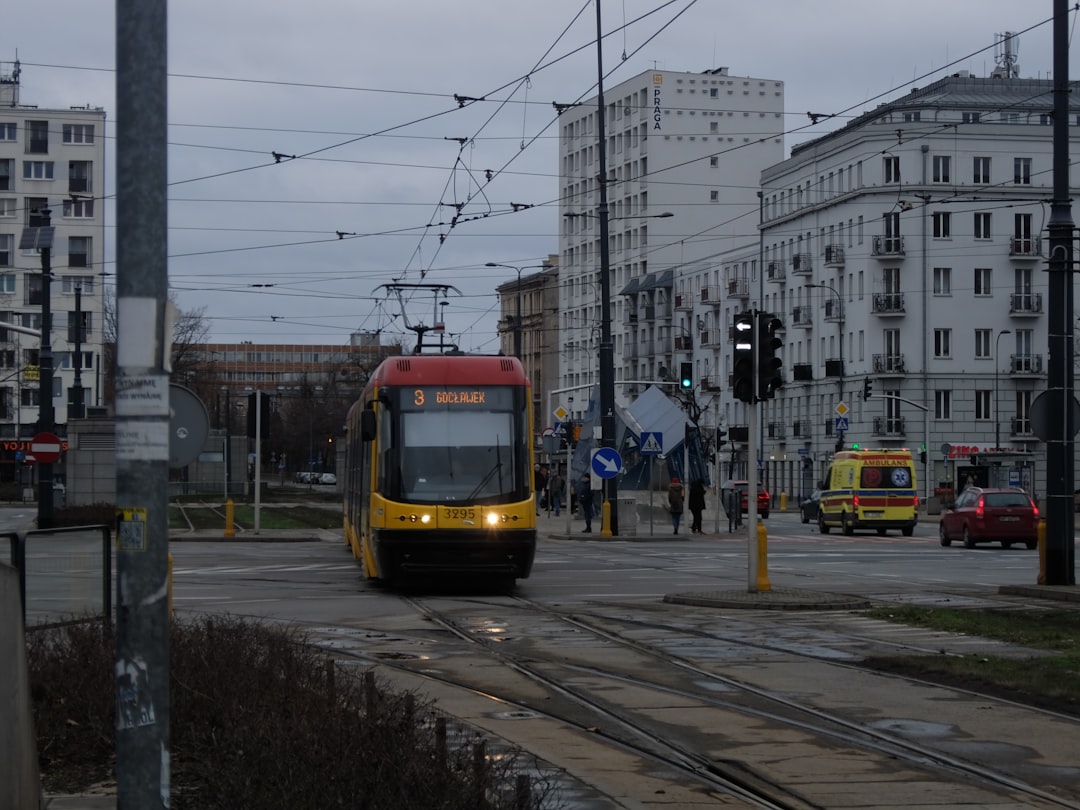
According to local reports, passengers travelling through one of Warsaw‘s main arteries noticed a man who had lost consciousness and immediately informed the tram crew. The tram was stopped, the driver or on-board staff contacted dispatch and emergency services arrived at the scene. Paramedics conducted cardiopulmonary resuscitation (CPR) at the location, but despite their efforts the 48-year-old later died. The event has been reported by local outlet Warszawa W Pigułce.
Emergency response and follow-up
In incidents like this, first responders include ambulance teams and, if needed, police. Local transport authorities such as Zarząd Transportu Miejskiego (ZTM) may also be informed to support operational needs (e.g., clearing the vehicle and rescheduling services). Authorities typically conduct routine checks to confirm identity and cause of death; if the circumstances are unclear, a medico-legal examination or police inquiry can follow. While immediate reporting focuses on saving life, there is often a short disruption to tram services on the affected line after such events.
Why this matters for expats and tram users
Public transport incidents can be distressing, but knowing practical steps helps. If you discover an unconscious person on a tram: alert the tram crew immediately, call emergency services, and follow dispatcher instructions. Being able to give a clear location (tram number, direction, nearest stop) speeds response. Warsaw’s public spaces are increasingly equipped with AEDs (automated external defibrillators), though availability varies by vehicle and stop; emergency dispatchers can advise whether an AED is nearby and instruct untrained callers on chest compressions if necessary.
Source: Read original article