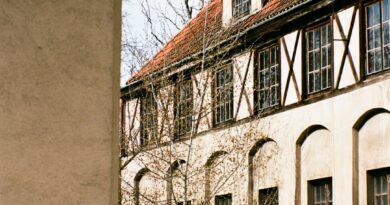
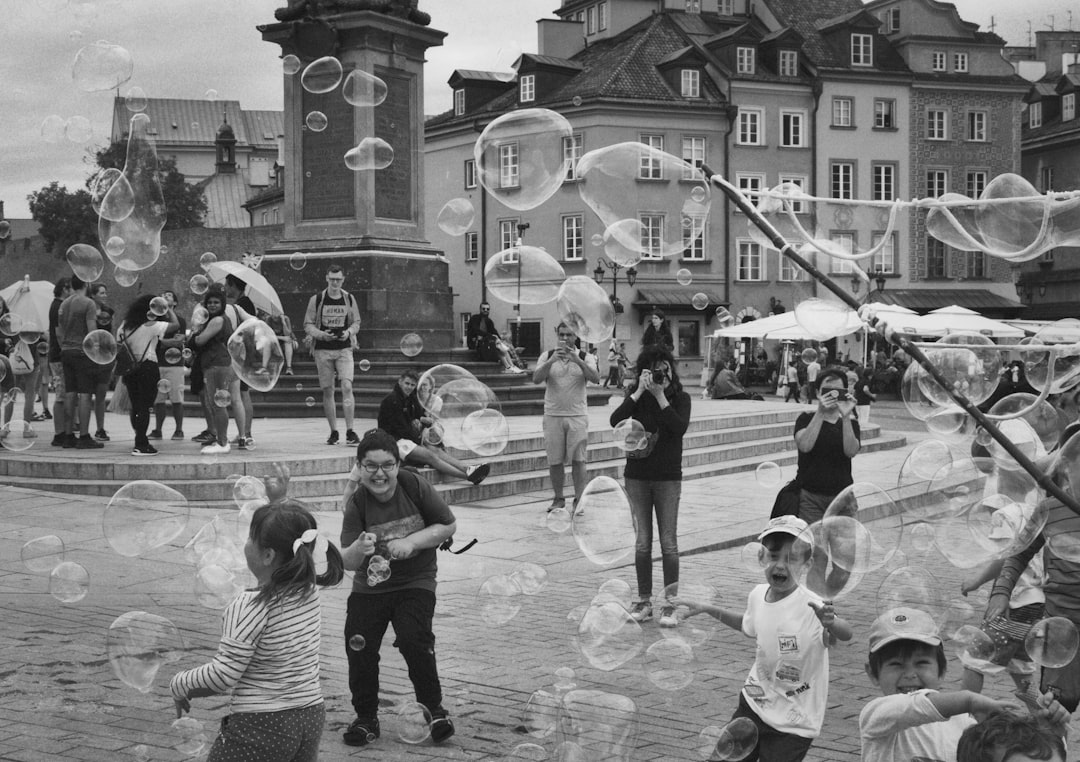
Walenty Demiro-Saulski’s photography of Miastko
A visual chronicle by local photographer Walenty Demiro-Saulski preserves Miastko’s past — but part of his archive was lost. Here’s why that matters for the town’s memory and for expats interested in Polish local history.
Photography by Walenty Demiro-Saulski captures everyday life in Miastko, recording streets, faces and buildings that have since changed or disappeared. Demiro-Saulski, who died in 1996 and was posthumously made an Honorary Citizen of Miastko, walked the town with a worn camera bag and created a visual chronicle — though, worryingly, some of his negatives were discarded.
Who was Walenty Demiro-Saulski and what did he document?
Described as a slightly stooped figure carrying a battered photographic bag, Walenty Demiro-Saulski devoted years to photographing daily life in his hometown. His images — streets, shopfronts, public events and portraits of residents — form a local historical record that helps reconstruct Miastko’s social and built environment in the 20th century. Many of these photographs have been published or shared in local media, including a recent piece by Dziennik Bałtycki highlighting a selection of surviving prints.
Why the lost negatives matter
Photographic negatives are primary sources: the original film that makes high-quality prints possible and allows historians and conservators to re-scan images with modern techniques. When negatives are thrown away, the community loses the ability to produce better reproductions, examine details, or recover context through marginalia or frame markings that sometimes exist on originals. In small towns like Miastko, where official archives may be limited, the personal collections of local chroniclers such as Demiro-Saulski can be irreplaceable cultural heritage.
What the town has done and what remains
Demiro-Saulski died in 1996 and was later made an Honorary Citizen of Miastko, a symbolic recognition often granted by municipal councils in Poland to individuals who have made notable contributions to local life. The photographs showcased in the article are only a fraction of his body of work. Local authorities, hobbyist collectors and family members sometimes hold the rest; in some cases surviving prints are shared at municipal displays, community events or on regional news sites. However, the article notes that part of his archive — specifically some negatives — ended up in the trash, underscoring fragile stewardship of cultural materials in smaller towns.
Source: Read original article