
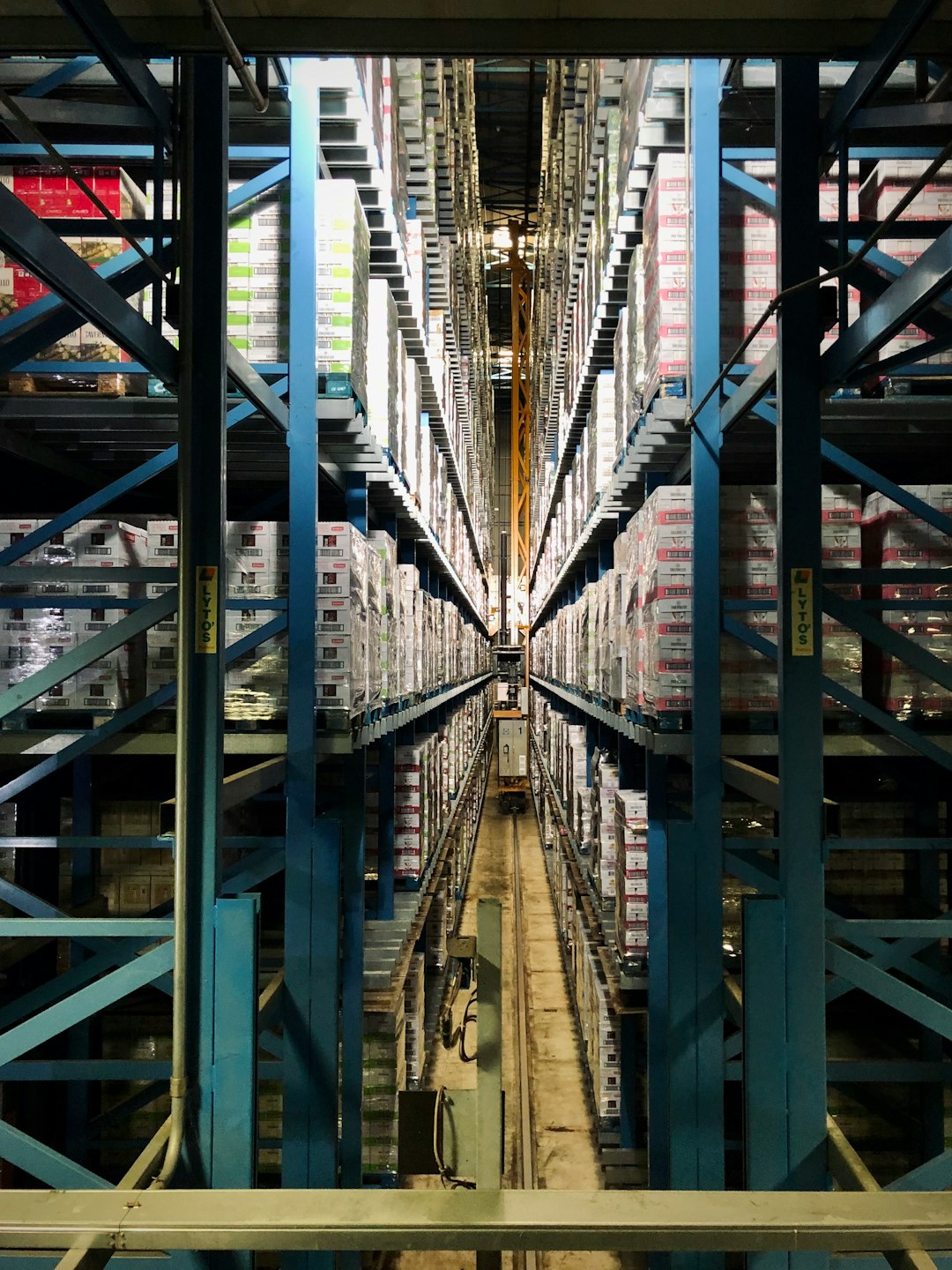
Multilevel Warehouse in Practice: Vertical Transport Tech
Multilevel warehouse designs are reshaping logistics in Poland; mastering vertical transport — from goods lifts to automated vertical storage — is crucial for efficiency, safety and compliance for companies and expat managers.
The rise of the multilevel warehouse model is changing how companies in Poland and across Europe think about storage: stacking inventory vertically saves land and can boost throughput, but it also makes vertical transport — goods lifts, conveyors and automated lifts — the operational spine of a facility. For managers and expat investors, understanding the technical, safety and regulatory trade-offs is essential.
Why multilevel matters now
Land prices near urban centres such as Lublin are pushing warehouse operators to build up rather than out. Multilevel facilities allow developers and tenants to multiply usable floor area without expanding footprints, which is especially attractive for e-commerce, cold chain and high-turn retail logistics. The trade-off is complexity: handling goods between floors becomes a bottleneck unless the right vertical transport systems and layout strategies are applied.
Key vertical transport technologies
Operators choose from a spectrum of solutions depending on product mix, throughput targets and capital budget. Traditional options include freight elevators and pallet lifts; modern systems add stacker cranes, automated storage and retrieval systems (AS/RS), Vertical Lift Modules (VLMs) and continuous vertical conveyors. Hybrid approaches combine human order-pickers on mezzanines with automatic lifts for pallet transfers. Each technology differs in speed, footprint, energy use and maintenance needs — and in how it affects building design (e.g., headroom, floor load capacity).
Safety, regulation and certification in Poland
Vertical transport in multilevel sites is subject to Polish and EU rules. Goods lifts and powered conveyors often require periodic inspections by the Urząd Dozoru Technicznego (UDT), which enforces technical safety standards similar to inspections elsewhere in the EU. Fire safety measures, such as sprinkler zoning and smoke extraction, are overseen by the Państwowa Straż Pożarna (State Fire Service) and must be integrated with evacuation routes and compartmentation required by Polish Construction Law (Prawo budowlane). For expat operators this means building modifications or automation retrofits usually need coordination with local authorities and certified inspectors.
Operational and commercial considerations
When choosing a multilevel solution, consider total cost of ownership: equipment cost, installation downtime, ongoing maintenance, and the availability of trained technicians locally. Labor costs in Poland remain competitive compared with many EU markets, but skilled technicians for advanced AS/RS systems can be a constraint — many firms contract local integrators or international maintenance teams. Lease contracts for industrial space commonly specify who is responsible for structural changes and for compliance with technical inspections, so clarify responsibilities before signing.
Source: Read original article