Manufaktura Łódź: Archival Photos Reveal Its Construction
Archival photographs document the near four-year build of Manufaktura on Ogrodowa, transforming the former Poznański factory ruins into a commercial and cultural landmark for Łódź.
Manufaktura Łódź is captured in rare archival photographs that show the centre rising from the ruins of a 19th-century textile complex — a visual record of the near four-year construction that culminated in the May 2006 opening. The images, taken by photojournalist Andrzej Wach for Dziennik Łódzki, trace how industrial decay was turned into one of the city’s most recognisable public spaces.
How the pictures document a city’s transformation
The newly published archival shots from the building phase reveal scaffolding, masonry and large-scale site work around the complex on Ogrodowa street. They offer more than nostalgia: these frames document engineering choices and conservation efforts that repurposed the brick shell of the former factory complex into a mixed-use shopping and leisure centre. Construction lasted almost four years, and the site officially opened to the public in May 2006.
From Izrael Poznański’s factory to a commercial giant
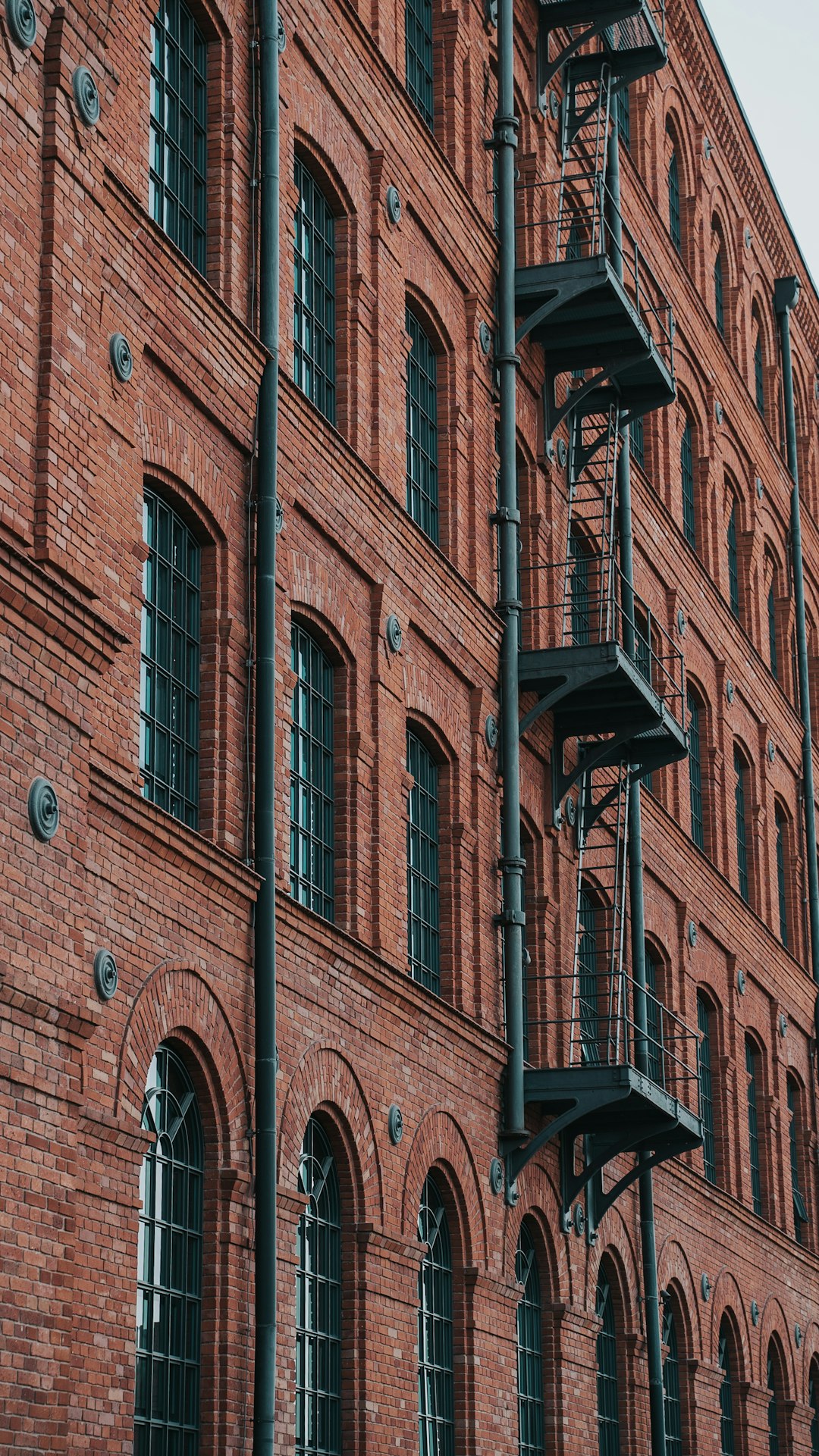
The site was originally dominated by the factories of Izrael Poznański, a major 19th-century textile magnate whose industrial complex was a centre of Łódź’s booming textile economy. The Manufaktura project rebuilt around that industrial fabric rather than erasing it — a model of adaptive reuse that preserved façades and scale while introducing retail spaces, restaurants, entertainment and public squares. The result was a commercial giant that helped reposition Łódź from an industrial backwater to a contemporary urban destination.
Why this matters to expats and visitors
For foreign residents and visitors, the Manufaktura story is a clear example of post-industrial regeneration: it shows how heritage can be leveraged for economic renewal, tourism and everyday urban life. The centre quickly became a city showcase, drawing both shoppers and cultural events, and it played a role in reshaping public perception of Łódź. Understanding this helps explain local real estate dynamics, where rehabilitated industrial areas often become desirable neighbourhoods, and why municipal priorities sometimes favour cultural-commercial projects.
Source: Read original article