GKS Katowice fans mark National Remembrance Day
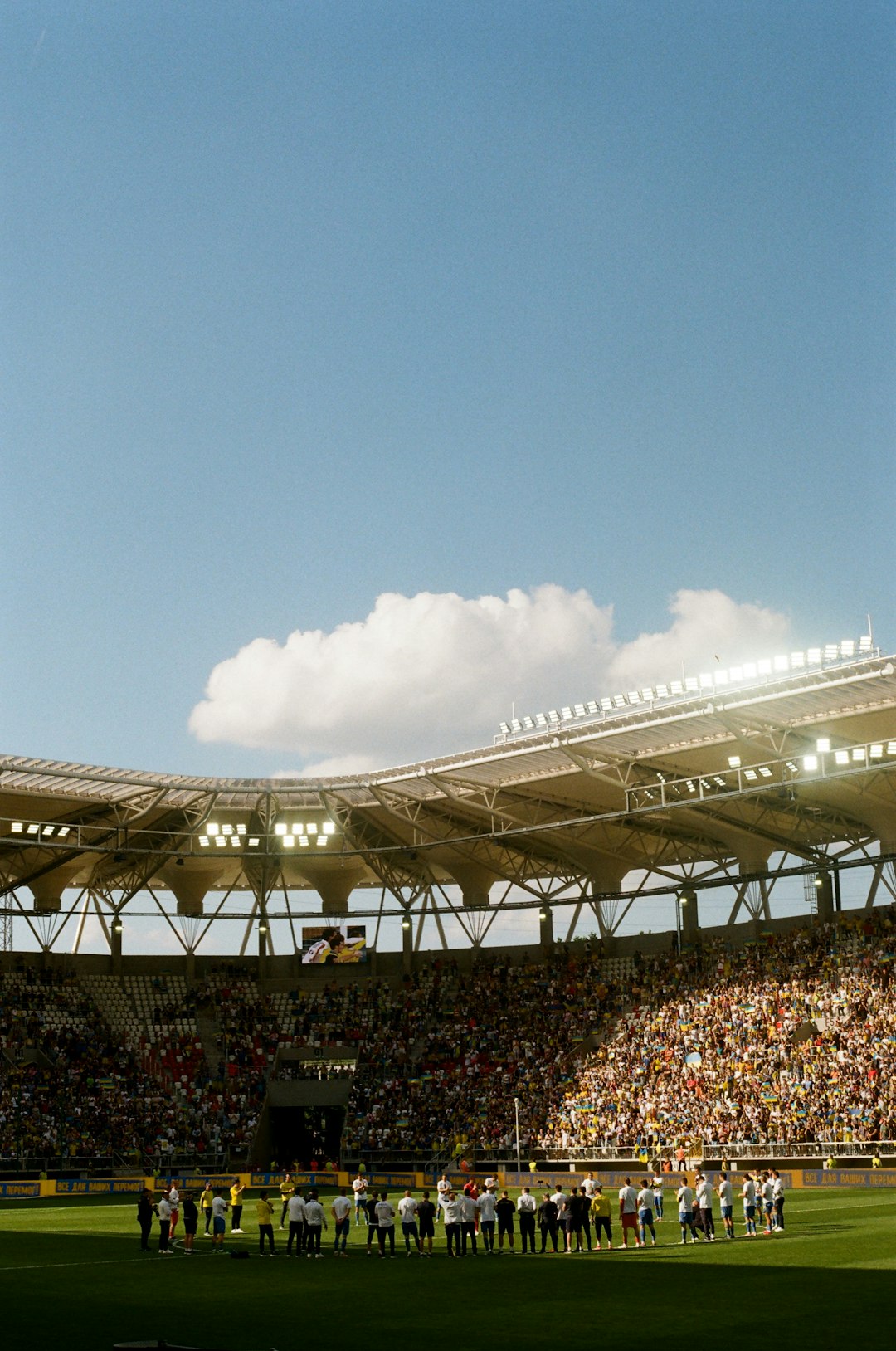
Before their 3–1 Silesian derby win, GKS Katowice fans held a tribute for the National Day of Remembrance of the “Cursed Soldiers” — a reminder of how sport and historical memory intersect in Poland.
GKS Katowice fans marked the annual National Day of Remembrance of the “Cursed Soldiers” before yesterday’s Silesian derby, a tribute that accompanied a 3–1 victory over Górnik Zabrze in Katowice. The win gave GKS Katowice breathing room in the race to avoid relegation to the I liga, while the pre-match commemoration underscored how football terraces are often stages for historical and political expression in Poland.
Match and the tribute
In a match played yesterday, GKS Katowice beat Górnik Zabrze 3–1 in what local media described as a lively Silesian derby. Supporters from the home side organised a pre-game commemoration for the Narodowy Dzień Pamięci “Żołnierzy Wyklętych” (National Day of Remembrance of the “Cursed Soldiers”). Such displays typically include banners, flags and chants; they are a regular feature at high-stakes local fixtures where fan identity is strongly tied to regional and historical narratives.
Why the remembrance matters
The National Day of Remembrance of the “Cursed Soldiers” is observed on March 1 and honours members of the anti-communist underground who continued to resist the new post‑war Soviet-backed authorities in Poland. The term “Żołnierze Wyklęci” (“Cursed Soldiers”) is contested: for many Poles they are anti‑communist fighters and national heroes, while historians note a complex record that can include actions against civilians and cooperation with problematic forces. The day was officially recognised by the Polish state in 2011 and has since become a focal point for both official ceremonies and grassroots commemorations, including by sports fans.
Local significance and public order
In Silesia — a region with strong local identities centered on towns like Katowice and Zabrze — football clubs are important carriers of community memory. For expats, it’s useful to know that matches can mix sport, local pride and political symbolism. Polish authorities generally allow peaceful commemoration, but high-profile displays are monitored by police to prevent escalation. The recent win will be welcomed by GKS Katowice supporters who hoped to distance the club from the relegation zone, while organisers and local services often coordinate to manage crowds and traffic on match days.
Source: Read original article