
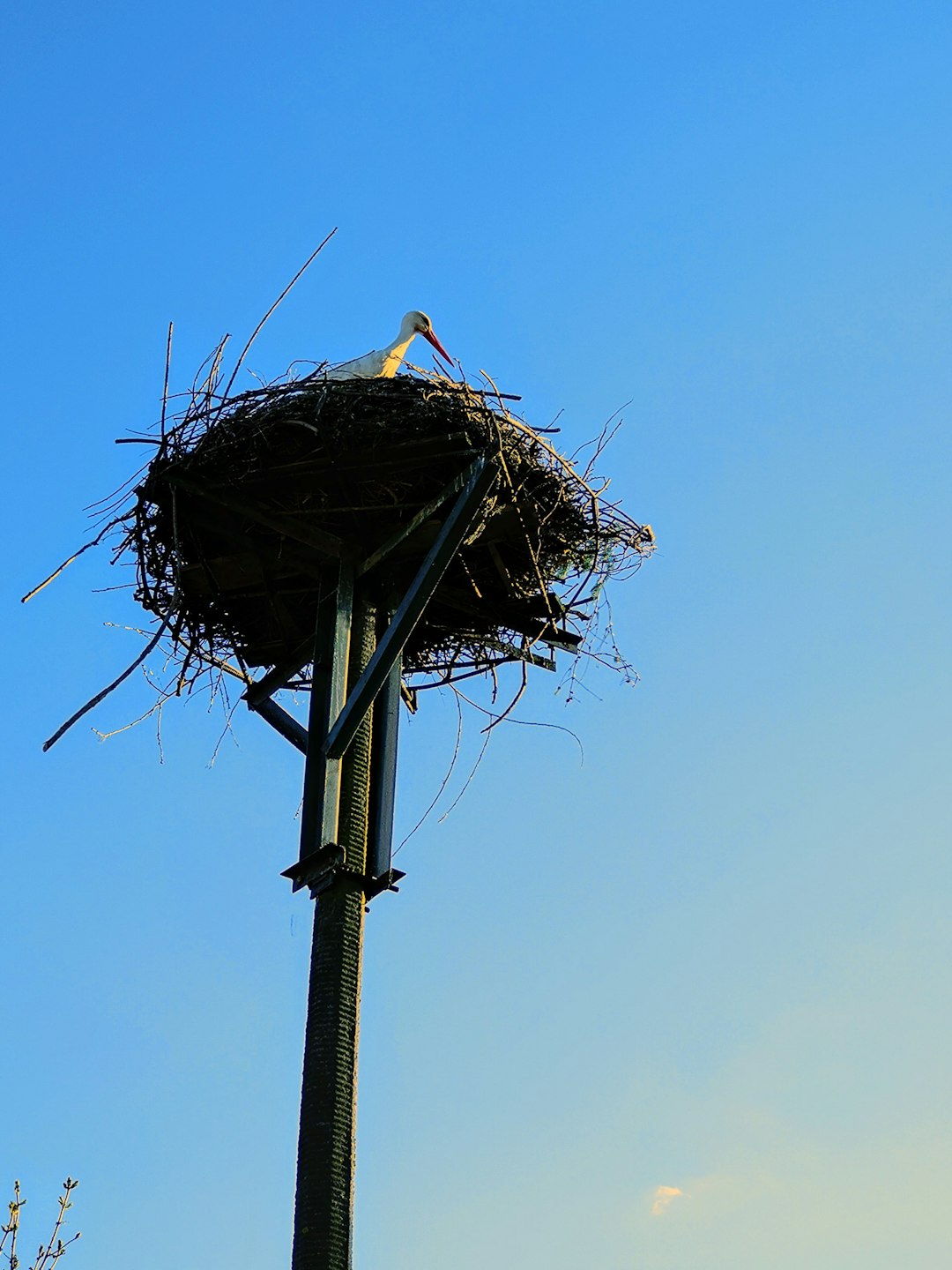
First signs of white stork return to Poland
Scattered reports in February 2026 indicate the first white storks are already en route to Poland, a seasonal sign that matters culturally and ecologically for residents and expats alike.
As February 2026 draws to a close, birdwatchers and casual observers across Poland are reporting the first returning white storks, a traditional harbinger of spring. The appearance of the white stork (Ciconia ciconia) is widely followed here as both a cultural signal and an informal weather indicator — and this year the early sightings have sparked particular interest after a cold winter.
Where the birds are showing up
Reports of lone storks and small groups arriving have come from the northeast and central regions, with early observations near Podlasie and around Warsaw. Storks commonly stage in Poland’s lowland wetlands and agricultural areas, and many will reoccupy nests on rooftops, church towers and utility poles. Conservation groups and local volunteers often track these first returns to estimate the timing of broader migration and nesting seasons.
Why these sightings matter
For many Poles — and increasingly for expat residents — the return of the white stork is more than a charming natural event. It is a practical marker of the season that coincides with agricultural activity, the start of spring festivals and the renewed activity of outdoor markets. Ecologically, early or late returns can be a signal of shifting migration patterns tied to climate change: researchers monitor arrival times to assess how changing temperatures and food availability affect bird populations. White storks are also a conservation success story in Poland, where decades of protection and community support have helped populations recover after mid-20th century declines.
What to watch and how communities respond
Local authorities, volunteers and NGOs prepare for the nesting season by inspecting nesting platforms and, when necessary, relocating nests that pose safety risks. If nests are on power infrastructure, energy companies may coordinate with bird protection groups to install safe platforms. Organisations such as Ogólnopolskie Towarzystwo Ochrony Ptaków and municipal environmental teams publish updates and guidance on what to do if you find an injured bird or an abandoned nest.
Source: Read original article