
Drunk truck driver deported from Poland after Dorohusk
A 41-year-old Ukrainian was deported from Poland after driving a truck intoxicated into the Dorohusk border crossing; authorities imposed an entry ban to the Schengen zone and removed him from the country.
A 41-year-old Ukrainian was removed from Poland after a drunk truck driver reportedly drove a heavy goods vehicle onto the territory of the border crossing in Dorohusk. The man was detained by border authorities and later deported with a ban on entering the Schengen area.
What happened at the Dorohusk crossing
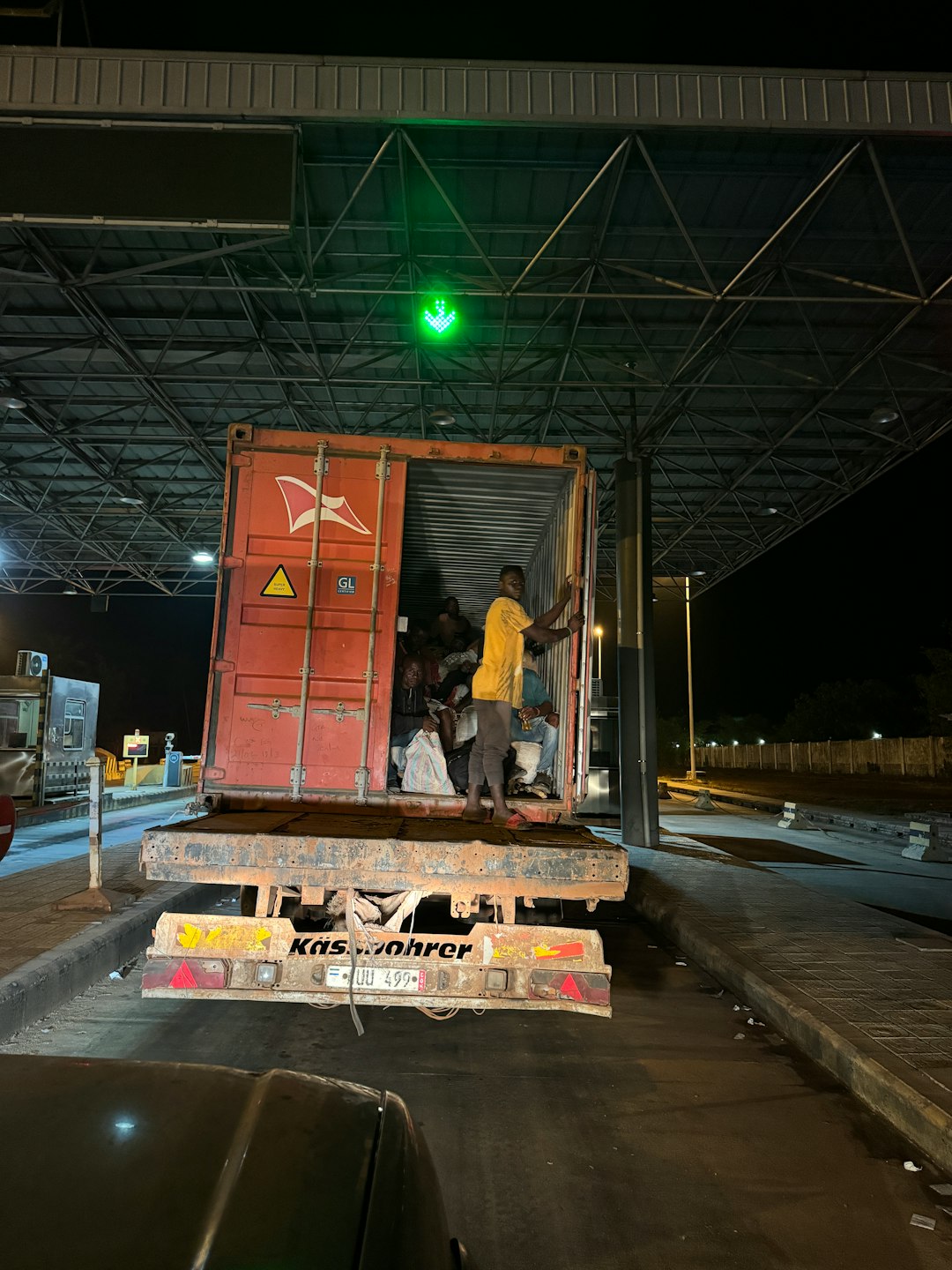
According to local reports, the incident unfolded when the truck entered the grounds of the international crossing at Dorohusk in eastern Poland while the driver was intoxicated. The crossing is a busy transit point on the Poland–Ukraine route, and the presence of an impaired driver on site triggered an immediate response from the on-duty officers. The man was handed over to the Border Guard (Straż Graniczna), tested for alcohol, and then processed for deportation.
Legal consequences: deportation and a Schengen entry ban
The authorities’ decision to deport is administrative: non-citizens who commit serious public-safety violations, including driving under the influence, can be expelled and given an entry ban to the Schengen zone. For many non-EU nationals, a Schengen ban means being unable to legally travel, work, or transit through 26 European countries for the duration of the ban unless it is lifted or successfully appealed. Deportation is separate from any criminal proceedings that could follow — depending on the circumstances, local prosecutors could also pursue charges which may result in fines or a criminal record under Polish law.
Why this matters for expats and cross-border workers
For foreign drivers and transport companies operating in or through Poland, the case is a reminder that Polish border and road-safety rules are strictly enforced. Many international drivers — including Ukrainians who cross frequently for work — rely on unrestricted access to the Schengen area. An administrative deportation and entry ban can immediately end that access, jeopardising employment, contracts and the ability to return home via land routes. Employers should be aware that they may face operational disruption and possible liability if staff are arrested or expelled while on duty.
Source: Read original article