
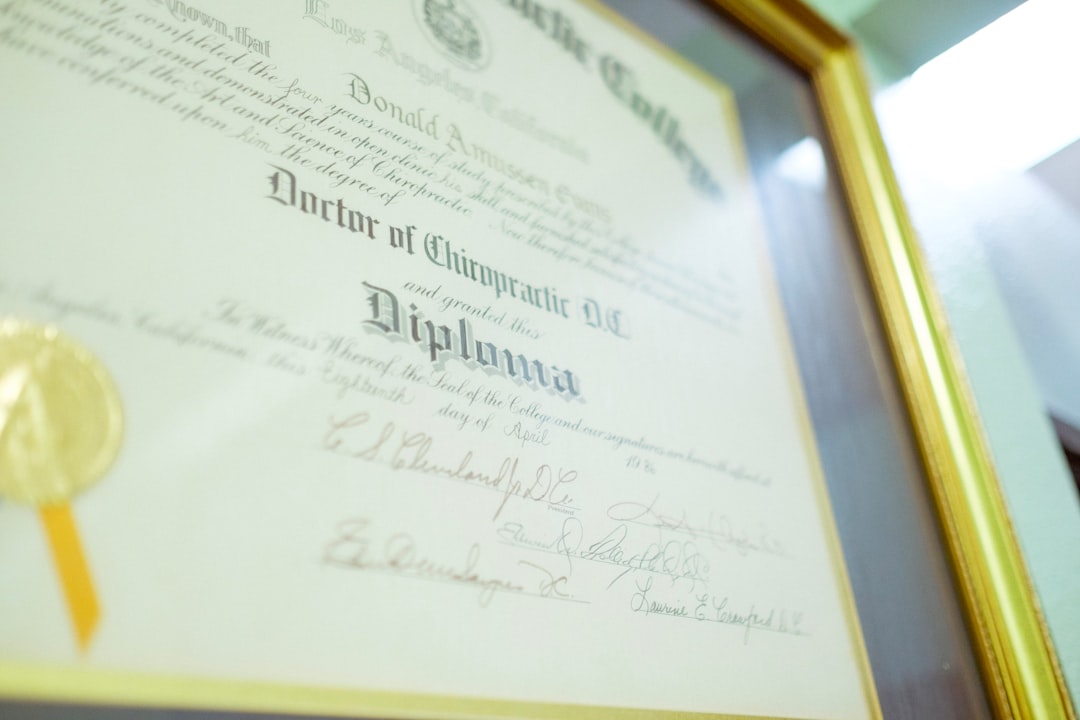
Diploma checks: Employers can probe 50 years back
From 1 January 2026 Polish employers can order diploma checks reaching back up to 50 years, potentially risking jobs and legal trouble; expats should know how verifications work and how to protect their records.
From 1 January 2026 a new regime of diploma checks has come into force in Poland, allowing employers to verify paper degree certificates going back as far as 50 years. These expanded diploma checks — costing roughly 50 PLN each — may lead to dismissals, reputational damage and, in the most serious cases, criminal proceedings for falsified qualifications.
What changed and who can be affected
The change gives employers broader authority to contact issuing institutions and archives to confirm the authenticity of hard-copy diplomas. Previously, checks tended to be limited to more recent qualifications, regulated professions, or public sector roles. Now private companies, public employers and professional bodies can routinely order verifications that reach back decades, increasing scrutiny of long-serving staff and retirees re-entering the workforce.
How the checks work and what they cost
Verification typically involves contacting the issuing university or other credentialing body and, where necessary, searching institutional registries or state archives. The reported fee of under 50 PLN (around 10–13 USD depending on exchange rates) per check makes this a relatively cheap compliance step for employers — equivalent to a modest lunch in central Warsaw — but an expensive risk for an employee who loses a position or faces legal action. If an employer discovers a forged or misstated diploma, consequences range from termination to complaints filed with prosecutors; falsifying public or professional documents can carry criminal penalties under the Polish Penal Code.
Implications for foreign qualifications and non-Polish residents
For expats the situation is complex. If you hold a Polish diploma, you are directly exposed to these checks. If you hold a foreign degree, employers in Poland may still verify authenticity via the issuing foreign institution, translation services, and through recognition processes handled by bodies such as the Ministry of Education or ENIC-NARIC networks. Foreign documents often require certified translations or an apostille to streamline verification; lacking those, employers may treat credentials as unverified. Employers must also navigate data-protection rules — notably RODO (GDPR) — when processing personal educational data, although compliance obligations do not prevent legitimate verification in recruitment and employment checks.
Source: Read original article