
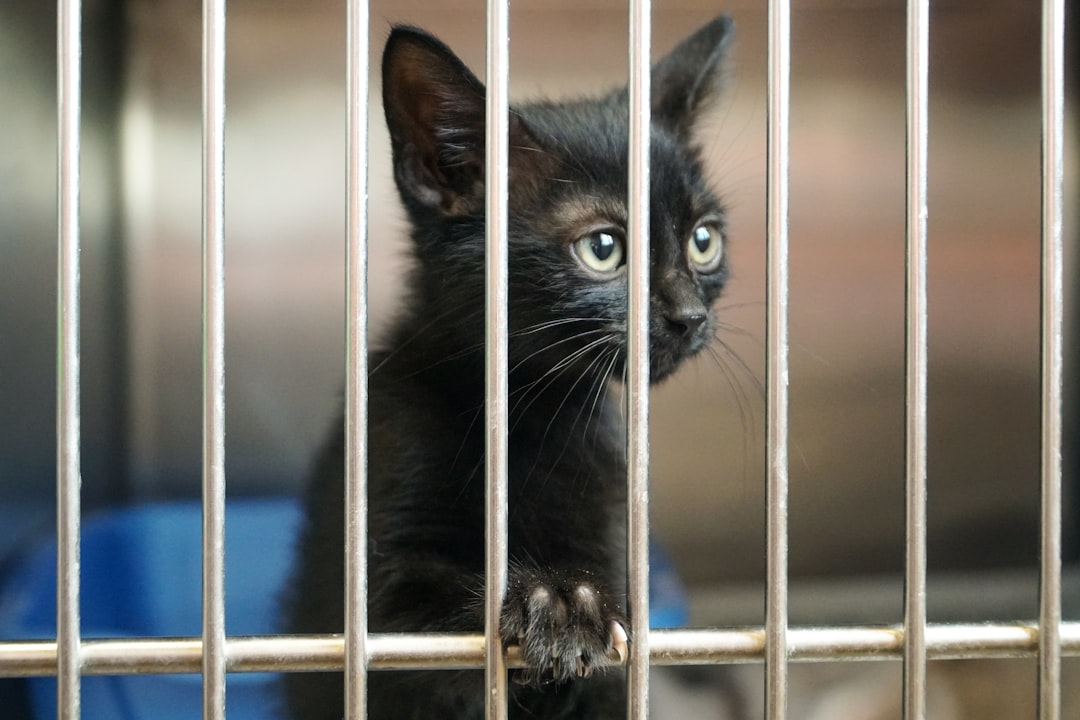
Black cat adoption: Piorun seeks a responsible home
Piorun, a calm four-year-old black tom cared for by volunteers in Katowice since January, is looking for a permanent, responsible owner — here’s what expats should know about adopting a pet in Poland.
Piorun is the subject of a small but important black cat adoption appeal: the four-year-old black tom has been in the care of volunteers since mid-January and is now waiting for a permanent, responsible owner. Though his name — Piorun, Polish for “Thunder” — suggests a fiery temperament, volunteers describe him as calm, affectionate and particularly needy of human contact.
Piorun’s story: gentle, social and ready for a home
Born in January 2022 and taken in on 15 January 2026, Piorun settled quickly with his carers and is noted for being sociable and gentle from the start. The appeal, first reported by Infokatowice, is aimed at finding a home where the cat can get consistent care, attention and possibly live indoors — important for the safety and health of companion cats in Polish cities such as Katowice.
How adoption generally works in Poland
Adoptions in Poland are commonly handled by municipal shelters, NGOs or volunteer-run foster networks. Potential adopters usually meet the animal, fill out an adoption form and sign a contract which may include clauses about sterilisation, veterinary care and the adopters’ obligation to provide a secure environment. While specific rules vary by organisation, many shelters charge a modest adoption fee that covers initial veterinary checks, vaccinations and sometimes microchipping.
Why this matters to expats living in Poland
For expats considering adopting Piorun or another pet, there are practical and cultural points to consider. Many landlords in Poland require explicit permission for pets — check your rental contract before applying to adopt. Routine veterinary care, vaccinations and possible neutering are standard expectations. Unlike dogs, cats are less frequently subject to municipal registration, but microchipping and keeping vaccination records is good practice. Finally, black cats can face superstition-based bias in some circles, though attitudes are changing and many shelters actively promote black cat adoptions.
Source: Read original article