
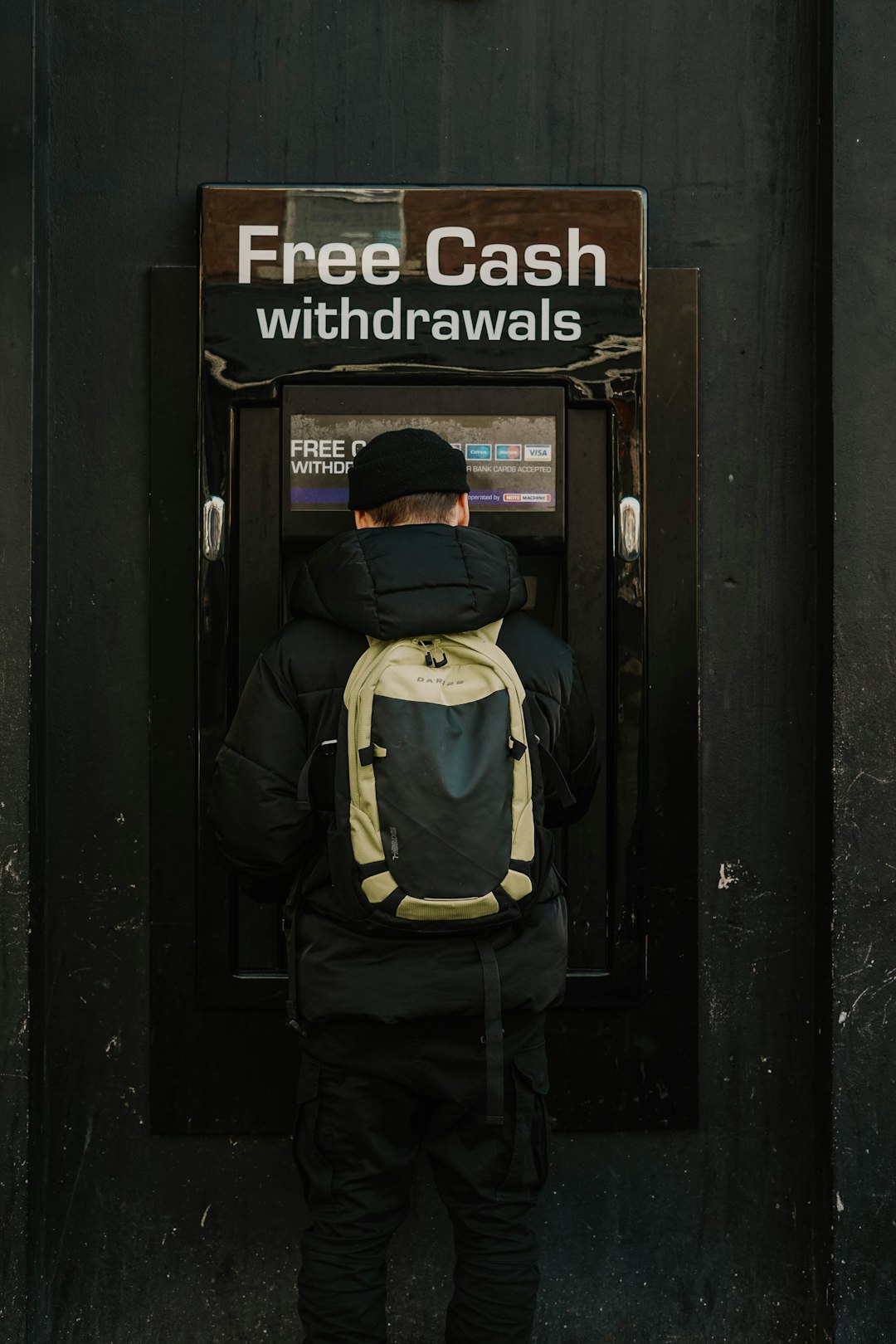
Bank can cut your bank account access instantly
Polish banks can block withdrawals from an account — including joint accounts — after a death or when formal documents are missing. Expats should know what documents banks require and how to reduce the risk of being cut off from funds.
Many people assume a joint account guarantees uninterrupted bank account access, but Polish reality is more complex: a single missing document or a death in the family can prompt a bank to freeze funds — sometimes immediately. That freeze can leave even close relatives unable to withdraw money until formalities are resolved.
When and why banks freeze accounts
Polish banks have a legal and compliance duty to prevent unauthorised withdrawals. Common triggers for freezes include notification of a customer’s death, suspicious transactions, active debt enforcement by a bailiff, or missing identity documents. After a death, banks often block the account to avoid paying out funds to the wrong person while succession (inheritance) is being clarified.
Documents banks commonly require after a death
Banks usually ask for an official death certificate issued by the Civil Registry (Urząd Stanu Cywilnego). But that alone often isn’t enough. To release funds they may require either a probate decision from a court, an inheritance certificate issued by a notary (notariusz), or a notarial deed recognising heirs. Poland does not have a simple “survivorship” mechanism equivalent to some other countries’ payable-on-death accounts: ownership of funds passes to heirs under inheritance law, and banks must see evidence of lawful entitlement before disbursing money.
Other reasons you might lose access — and how fast it can happen
Access can also be halted if a creditor obtains enforcement (eg. an enforcement order handled by a bailiff). Law enforcement or anti-money-laundering checks can produce immediate account blocks as well. These measures are typically swift because banks must act to comply with court orders and legal obligations.
How expats can protect themselves
Expats should not assume joint ownership assures automatic access. Practical steps include keeping scanned copies of important documents, naming clear heirs in a will (preferably with a notary), discussing account arrangements with your bank, and considering separate accounts for day-to-day needs. If you are the surviving partner, contact the bank promptly and obtain the death certificate from the Civil Registry (Urząd Stanu Cywilnego), and consider engaging a Polish notary to obtain an inheritance certificate. For cases involving debt or enforcement, consult a local lawyer or reach out to your embassy for guidance.
Source: Read original article