
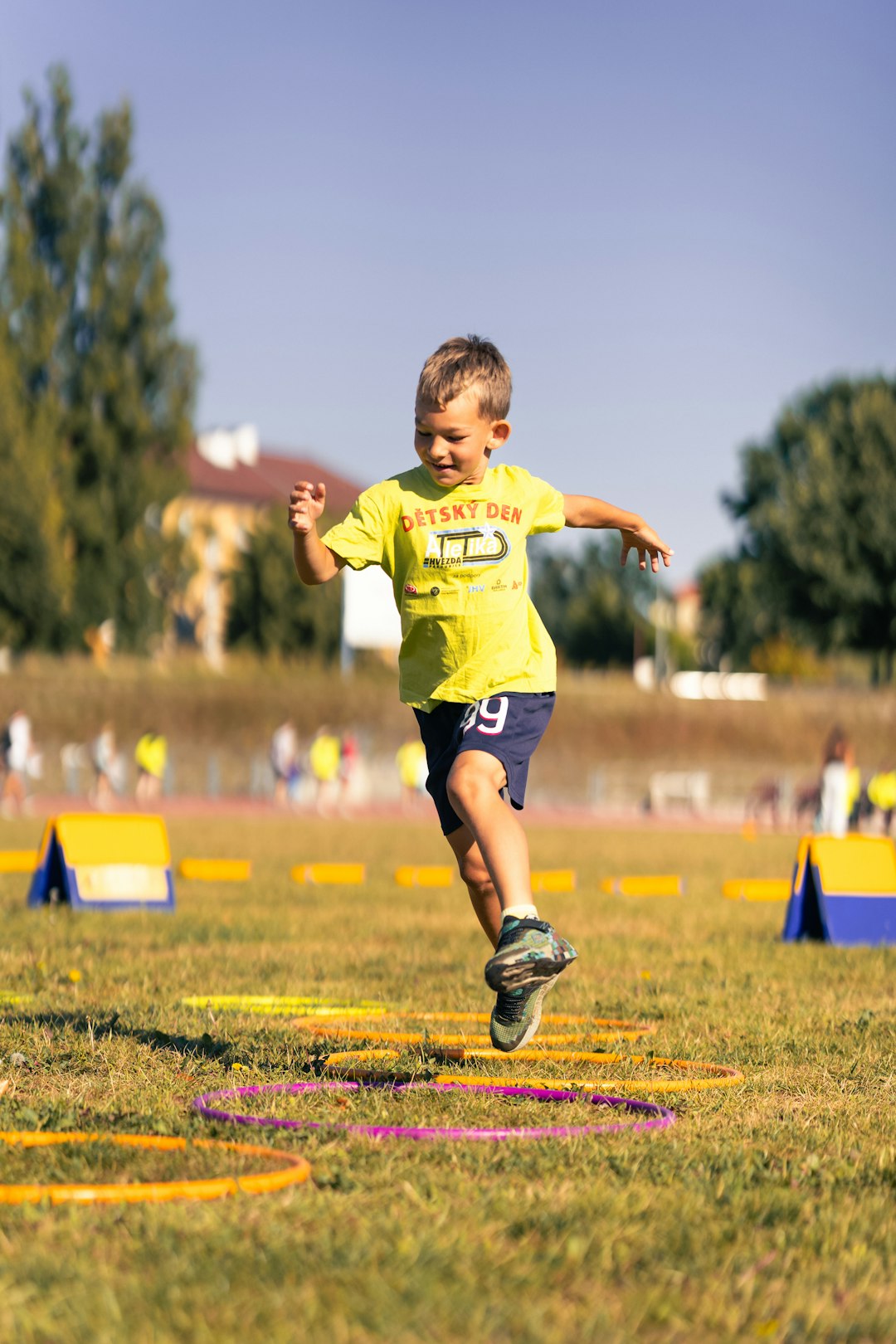
Active summer: How to spark a child’s love for sport
Summer can be a turning point to get children moving — practical steps for parents in Poland to turn holiday fun into lifelong healthy habits.
As families head into the holidays, an active summer offers a crucial window to move children away from screens and into outdoor play. The challenge for parents in Poland — and elsewhere — is translating a few weeks of holiday energy into lasting habits that support physical and mental health.
Why summer matters now
Long school breaks are not just free time: they are a concentrated opportunity to introduce children to sport in low-pressure settings. With childhood screen time rising globally, experts warn that short bursts of activity are not enough. Parents who use the holidays to expose children to different types of movement — from cycling and swimming to team games and simple nature hikes — are more likely to see sustained interest. In Poland, many families rely on a mix of organised offers and informal play: municipal sports centres, parent-led neighbourhood groups and holiday day camps can all play a role.
Practical steps parents can take
Start small and social: a child is likelier to keep playing if a friend is involved. Look for trial sessions at local clubs and short-term programmes rather than committing to year-long membership immediately. Many towns run affordable holiday options called “półkolonie” (day camps) which combine supervised activities with socialising; these can be a gentle introduction to structured sport. Encourage variety — alternating team sports, individual activities, and free play — so children discover what they enjoy. Equip them with comfortable gear, but avoid over-investing in expensive specialist equipment at the outset.
Turning holiday momentum into habits
To make change stick, link activity to routine: a short family walk after dinner, a weekend bike ride to the market, or sign-ups for a community course at the start of the school term. Schools, where available, often continue extracurricular clubs during the year; speak with your child’s teacher about after-school options. For expat parents, look beyond English-language networks: many Polish clubs welcome non-Polish speakers and use simple coaching language or visuals. Finally, model the behaviour — children are more influenced by parents who prioritise movement themselves.
Source: Read original article