
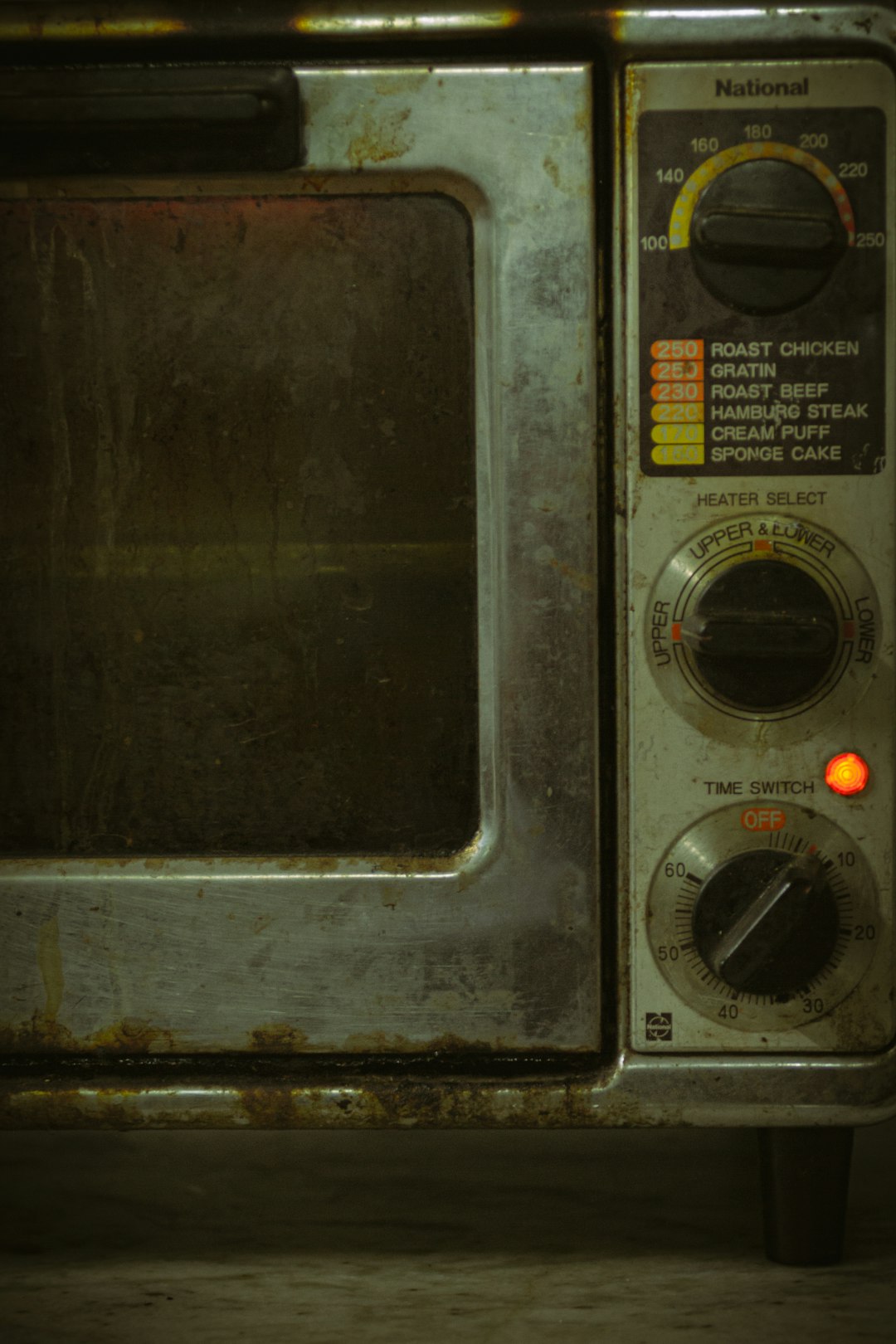
Your Electric Oven Could Blow Up Your Bills
An electric oven can spike your electricity use and bills. Learn why and how to cut costs with better habits.
The electric oven in your kitchen can push your electricity bill far higher than you expect. Consequently, many people who blame the fridge miss the real culprit.
The electric oven vs the fridge: how consumption differs
People often assume that a refrigerator drives bills. However, the fridge runs continuously at low power. Moreover, the oven draws a lot of power in short bursts while it heats. Therefore, a single cooking session can equal the energy draw of many refrigerators running at once. In addition, the oven must reach high temperatures, often above 200 degrees Celsius. Consequently, the heating elements create a sudden spike in current. Moreover, modern ovens keep motors, timers, and displays powered. Therefore, they use standby electricity even when not cooking.
Why this matters for bills and home wiring
High short-term draws can strain household wiring. Consequently, older installations sometimes trip breakers or force you to avoid other appliances. Moreover, Poland uses common household tariffs like G11 and G12 (G11 is a single-rate tariff and G12 offers day-night pricing). Therefore, you can save money by moving heavy cooking to cheaper hours where possible. In addition, electricity prices rose substantially in recent years. Consequently, small inefficiencies now cost more than before.
Practical tips to cut oven-related costs
Combine dishes and cook multiple items in one cycle. Moreover, avoid long unnecessary preheating when recipes allow. In addition, use residual heat by switching off the oven early. Therefore, you reduce active heating time. Also, keep the door closed while cooking. Consequently, the oven loses less heat and works less. Moreover, unplug or switch off the oven from the socket after use to avoid standby draw. In addition, consider energy-efficient models when you replace appliances. Therefore, a newer oven may use less energy overall.
How to check and act locally
Contact your energy supplier to check your tariff. Moreover, ask about time-of-use options and meters. In addition, rent contracts and local rules can affect who pays for common-area electricity in flats. Therefore, clarify responsibilities with your landlord or housing association. Also, keep receipts and evidence if you dispute charges. In Poland, administrative bodies like ZUS (social insurance), NFZ (public health insurer), or local authorities sometimes require ID documents such as PESEL (national ID number). However, you usually deal directly with energy firms for billing queries. Consequently, you should prepare basic documents when you call them.
Ultimately, the electric oven can play an outsized role in your home energy use. Consequently, small behaviour changes can lower your bills. Moreover, planning meals and using heat efficiently gives visible savings over a year.
Source: Read original article