Germany urges households to stock 10 days’ supplies
Germany now recommends 10 days emergency supplies for households, detailing water, food and evacuation kits.
Germany’s Federal Office for Civil Protection updated household guidance and now urges everyone to keep 10 days emergency supplies. Consequently, officials warn stores may close for ten days, and households could lack power and services.
What 10 days emergency supplies means
The agency specifies water first. Therefore, plan two litres per person per day for drinking, plus 0.5 litres for cooking. Moreover, that totals 20 litres per adult for ten days. Consequently, a family of three needs about 60 litres. However, needs rise for babies, hot weather, or medical issues. In addition, pet water needs require a separate calculation.
The guidance then lists food in concrete kilograms. For one adult, the agency suggests 3.5 kg of cereals and staples. In addition, it recommends 4 kg of vegetables and legumes, preferably canned or jarred. Moreover, officials advise 2.5 kg of fruits and nuts. Therefore, include 2.5 kg of milk products, like UHT milk and powdered milk. Finally, add 1.2 kg of meat, fish, or preserved protein sources. In addition, keep oil, sugar, salt, honey, vinegar, coffee, tea, and spices.
Why Germany raised the standard
The office originally advised 72 hours. However, rising geopolitical risks changed that assessment. Consequently, public questions about the Ukraine war prompted a review. Moreover, the new manual adds chapters on disinformation, shelters, and mental health. Therefore, authorities expect longer disruptions to services and supply lines.
Practical steps and pantry rotation
Experts stress rotation to avoid waste. Therefore, integrate emergency items into everyday shopping. For example, buy two packs of pasta and use the older one. In addition, store dry goods in airtight containers to avoid pests. Moreover, keep supplies in cool, dark, dry places. However, do not buy food you dislike. You will not eat it in stress.
Evacuation pack and communication
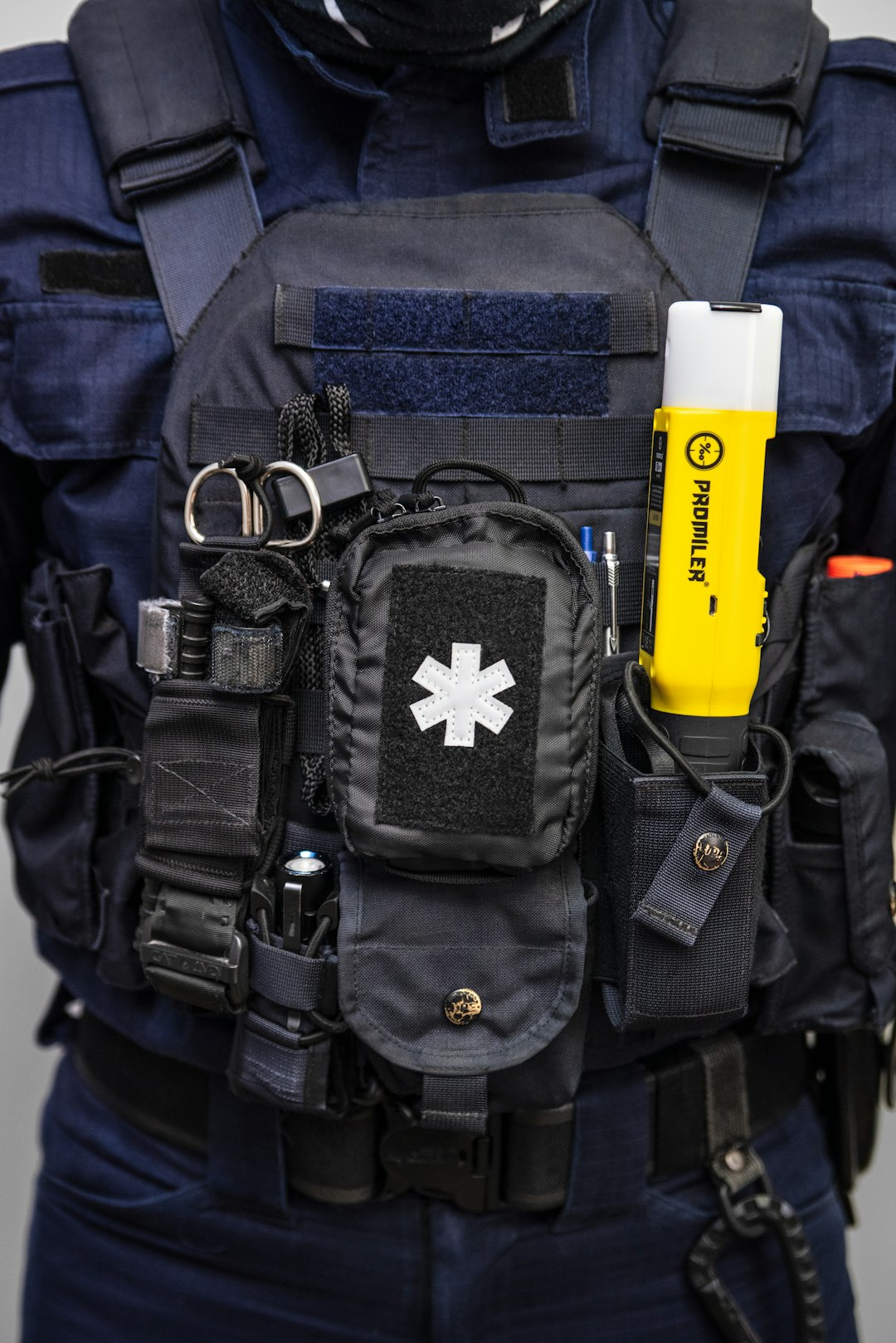
The office also recommends a grab-and-go bag. Therefore, pack medicines, important documents, and cash. In addition, include a battery radio and torches with spare batteries. Moreover, choose a backpack, not a wheeled case. Consequently, you will keep hands free during evacuation. Finally, label essentials and keep copies of ID.
Poland’s RCB issues similar advice. Therefore, their “Be Ready” campaign offers evacuation checklists and guidance for families, seniors, and people with disabilities. Moreover, the main difference is German advice lists precise weights and calories. Consequently, Germans and Europeans can measure preparedness more easily.
Do not panic, but act sensibly. Therefore, start with a water inventory. In addition, build food reserves gradually. Moreover, keep emergency medicines for at least two weeks. Finally, remember: preparedness works like insurance. You hope to never use it, but you will be grateful if you ever must.
Source: Read original article