Polish-Hungarian Friendship Day Celebrations
Poland and Hungary mark Polish-Hungarian Friendship Day with leaders meeting in Przemyśl. The celebration underscores long ties and regional cooperation.
Polish-Hungarian Friendship Day marked a high-profile meeting between Polish and Hungarian presidents in Przemyśl today. Consequently, leaders urged that the historical bond survive short-term political shifts.
Why the ceremony in Przemyśl mattered
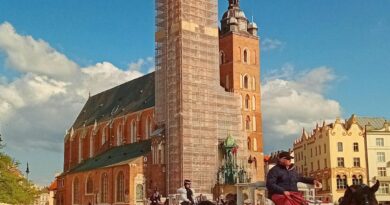
Przemyśl sits near Poland’s southeastern border. Therefore, the city offers symbolic weight for Central European ties. Moreover, officials welcomed the Hungarian president on the square before the town hall. In addition, plenary talks followed the welcome ceremony. However, both delegations stressed continuity over politicking. Consequently, Karol Nawrocki said they must shield the friendship from transient political tremors.
Polish-Hungarian Friendship Day: historical and political context
The two parliaments set 23 March as the official day in 2007. Moreover, Hungary adopted the declaration unanimously on 12 March. Therefore, Poland accepted the move four days later by acclamation in the Sejm. In addition, former presidents Lech Kaczyński and László Sólyom initiated the holiday. Consequently, cities in both countries host the event alternately each year. However, the pandemic interrupted the routine briefly. Therefore, leaders now emphasize restoring the regular exchange of visits.
What this means for bilateral ties
Poland and Hungary share long cultural and historical links. Moreover, they cooperate on security, energy, and regional infrastructure. Consequently, the ceremony signals political solidarity to EU partners. In addition, alternating host cities help spread the diplomatic focus beyond capitals. However, the event also gives both countries space to discuss practical cooperation. Therefore, delegations hold plenary meetings on trade and regional projects.
Today’s meeting reaffirmed that the friendship will persist. Consequently, officials called on citizens to treat the relationship as stable and strategic. Moreover, for expats the ties translate into easier cultural exchanges and, often, smoother consular cooperation. Therefore, watching these annual ceremonies helps expatriates understand how regional politics may affect everyday life.
Source: Read original article